How to help Katmai’s brown bears this Fat Bear Week
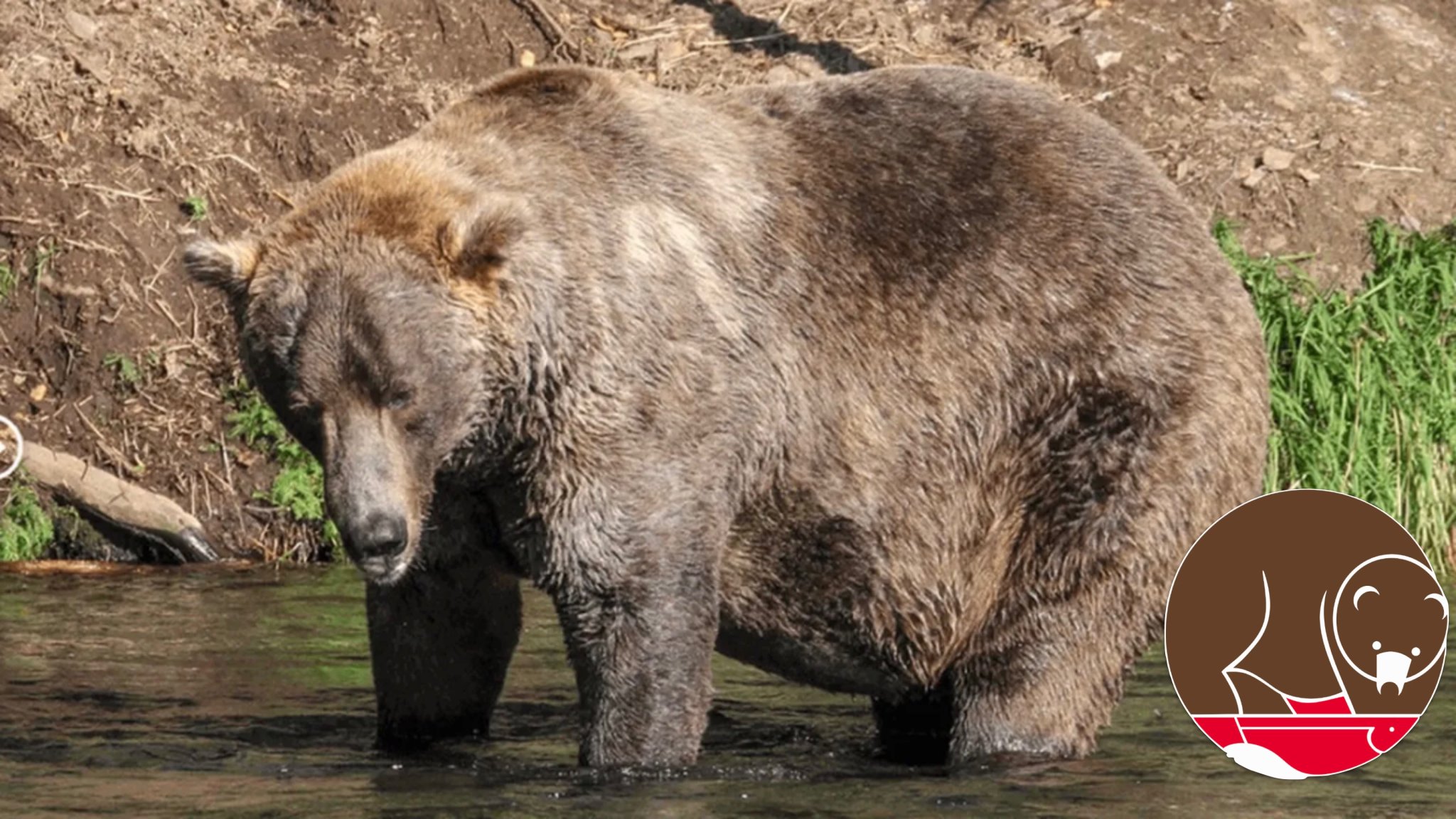
This Fat Bear Week, bear enthusiasts from around the world can not only vote for their favorite chunky brown bears (Ursus arctos). They can actually help protect the bears’ home. Every donation made to the Katmai Conservancy’s Otis Fund through October 3, will be matched by explore.org, the organization that runs the bear livestreams at Katmai National Park and Preserve in Alaska.
The Otis Fund is named for the first Fat Bear Week Champion, Bear #480 (Otis). During the one-day event in 2014, called Fat Bear Tuesday, Otis was selected as champion over elder female Bear #410. He went on to take the crown again in 2016, 2017, and 2021 before his death in 2024.
“His steadfast patience and determination when fishing at Brooks Falls gave many people a sense of calm,” former National Park Service (NPS) ranger and explore.org naturalist Mike Fitz tells Popular Science. “He was an ambassador for his species who helped people fall in love with Brooks River and its bears and, in turn, [worked] to protect the salmon runs that sustain the Bristol Bay ecosystem.”
Explore.org Director of New Media Candice Rusch tells Popular Science that she has a particularly strong memory of Otis fishing in Brooks Falls in October 2021.
“All the bears had mostly left the river and there was a massive snow storm,” she reflects. “Otis, calm as anything, sat in the river, in the snow, catching fish.”

On This Day In Bear Cam History | Otis Fishes In A Snow Storm
The donations to the Otis Fund will support Katmai National Park’s research, conservation, and educational outreach programs. The extra funding is particularly critical when federal funding falls short. According to the Katmai Conservancy, the park spans over 4 million acres of wild rivers, volcanoes, and coastline, yet remains one of the least funded parks in the country. An investigation from The Atlantic found that there was a roughly 70 percent drop in spending on park projects outside Washington D.C., in the past fiscal year (beginning October 2025). This represents an $854 million decrease from the previous fiscal year, and roughly $235 million of that total was taken from parks in the Pacific west region.
“Americans want parks funded at much higher levels, but Congress rarely, if ever, funds parks at levels so that they are fully staffed,” says Fitz. “The current presidential administration has also expressed near open hostility toward national park employees simply because they work to fulfill the NPS mission. This has led to the loss of thousands of full time staff and great uncertainty among the remaining employees. At Katmai, the Otis Fund is helping rangers weather the storm.”
At the same time, a proposed mine about 100 miles away from Katmai and its wildlife is raising concerns among Alaska conservationists. Plans for a large open-pit mine called Pebble Mine are threatening both Lake Clark National Park and Preserver and Katmai. Lake Clark protects the headwaters of the Kvichak and Nushagak Rivers. These rivers then flow into Bristol Bay, which is home to the world’s largest wild sockeye salmon run that feeds the bears all summer. Wild salmon also sustains the traditional lifeways of local people, plays an essential role in the ecosystem, and supports the $2 billion fishing industry that anchors the local economy, according to the National Parks Conservation Association (NPCA).
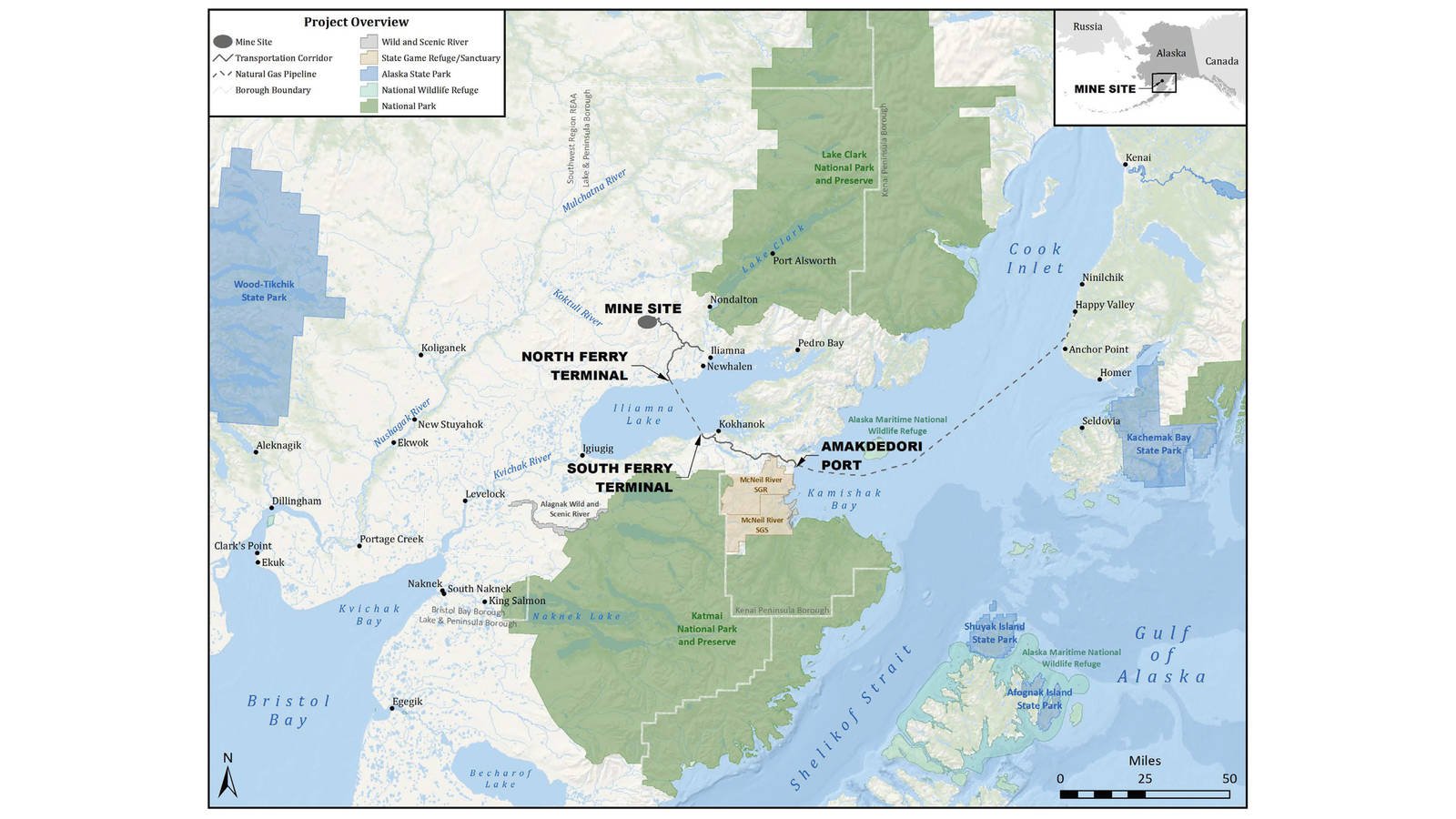
“Pebble Mine’s phase one plan includes a pit one mile wide and a quarter-mile deep, which would destroy over 4,000 acres of wetlands and more than 21 miles of salmon streams,” the NPCA writes. “Over 1 billion tons of tailing—toxic residue from ore—would be stored behind high-risk dams and left in the pit after potentially 20 years of operations. In 2012, the Environmental Protection Agency warned that ‘mining the Pebble deposit would cause irreversible damage to one of the world’s last intact salmon ecosystems.’”
Funds raised during Fat Bear Week and beyond can help further protect the region and its wildlife. The 2026 Fat Bear Week winner will be crowned on September 29. Donations to the Otis Fund will be matched up to $350,000 until October 3. In 2025, the Otis Fund drive reached its goal, and raised over $360,000 with more than 4,700 supporters.
KioskNews shows a cleaned-up reading view extracted from the publisher’s page — the original always lives on their site, not ours.