Malaysia says jellyfish light over Sabah was Chinese rocket, not aliens
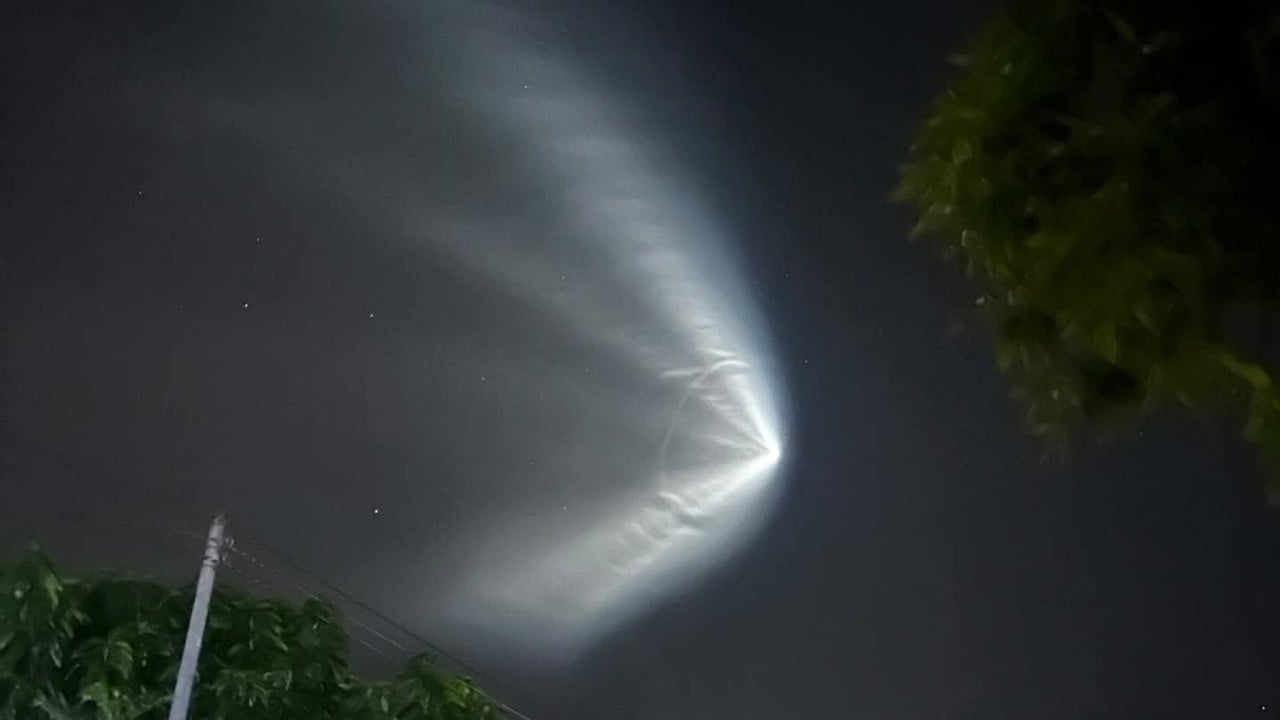
A mysterious, jellyfish-shaped light spotted in the skies over Sabah was from a Chinese rocket launch, not aliens, according to the Malaysian Space Agency.
The glowing trail linked to the Long March 12 rocket, launched from southern China’s Hainan province in the early morning of Monday, sparked buzz and concerns over potential debris across the Borneo state.
Malaysia’s Ministry of Science, Technology and Innovation said it received a report about the rocket’s sighting from MYSA.
MYSA was also alerted by the Philippine Space Agency (PhilSA) regarding the possibility of debris from the Long March 12 falling into designated drop zones about 25 nautical miles (46km) from Puerto Princesa on Palawan Island and 19 nautical miles from the Tubbataha Reefs Natural Park in the Sulu Sea.
“As of now, no official reports have been received regarding the discovery of any debris from the launch within Malaysian territory,” MYSA said in a statement.
PhilSA earlier said “falling debris poses danger and potential risk” to ships, aircraft, fishing boats and other vessels that will pass through the drop zone.
The luminous streak delighted social media users in Sabah’s Kota Kinabalu, with many posting their sightings and asking others if they knew what the aerial phenomenon was.
“Any idea what this is? My husband saw this outside the house around 3am,” a user said.
Another user said the bright light resembled a spacecraft and a commenter joked that it was a well-known flying ghost in Sabah called the balan-balan, which roams the night sky as a flying head without a body attached to it.
“It is an artificial intelligence balan-balan.”
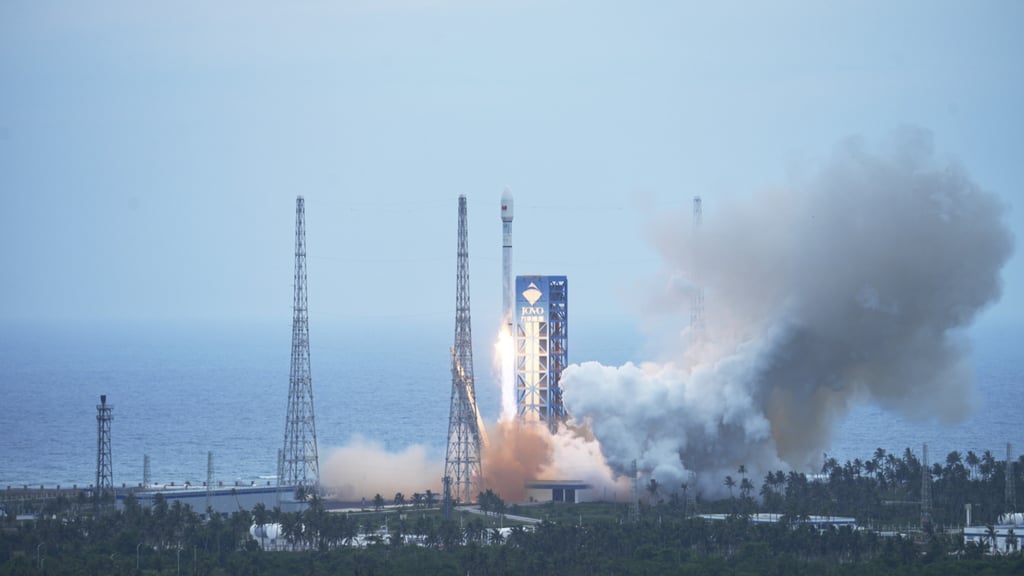
MYSA urged the public to report any discoveries of debris associated with the launch to the Space Regulatory Division.
The Long March 12, a two-stage rocket, powered by burning kerosene and liquid oxygen, can deliver about 12 tonnes of payload to low Earth orbit.
In July, debris from the Long March 6A rocket launched from northern China’s Shanxi province reportedly fell near Northern Luzon in the Philippines.
PhilSA advised the public against collecting or touching these materials, which may contain residues of toxic substances such as rocket fuel.
Nasa accused Beijing in 2021 of “failing to meet responsible standards regarding their space debris” after parts of a Chinese rocket landed in the Indian Ocean.
KioskNews shows a cleaned-up reading view extracted from the publisher’s page — the original always lives on their site, not ours.