Indonesia targets free public schooling amid funding concerns
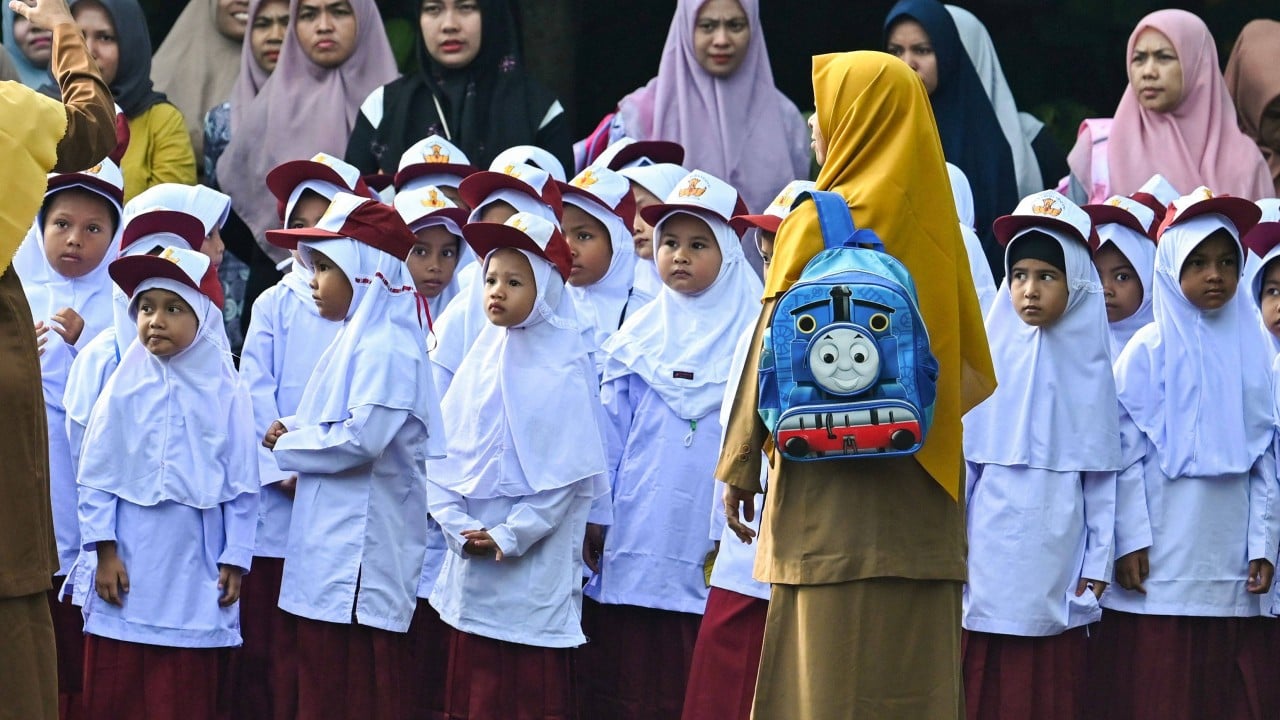
Indonesia is pursuing plans to make public schools free at all levels, stretching from kindergarten to university, but mounting pressure on the state budget could hinder the government from pulling off the massive undertaking, analysts have said.
President Prabowo Subianto summoned his ministers last week to discuss a plan to “accelerate the implementation of free education in public schools”, according to a statement released by cabinet secretary Teddy Indra Wijaya on September 23.
“Free education [will be] implemented in public schools, from preschool or kindergarten, elementary school, junior high school, to senior high or vocational school. Overall, there are about 164,000 public schools at these levels throughout Indonesia,” Wijaya said.
The government also aimed to finalise plans to eliminate fees at state universities, including standard semester tuition and initial admission fees, “in the next two to four weeks”, he said.
“This step confirms the government’s commitment to providing the widest possible access to education, improving the quality of learning, and ensuring that every educational pathway receives the attention and support it needs.”
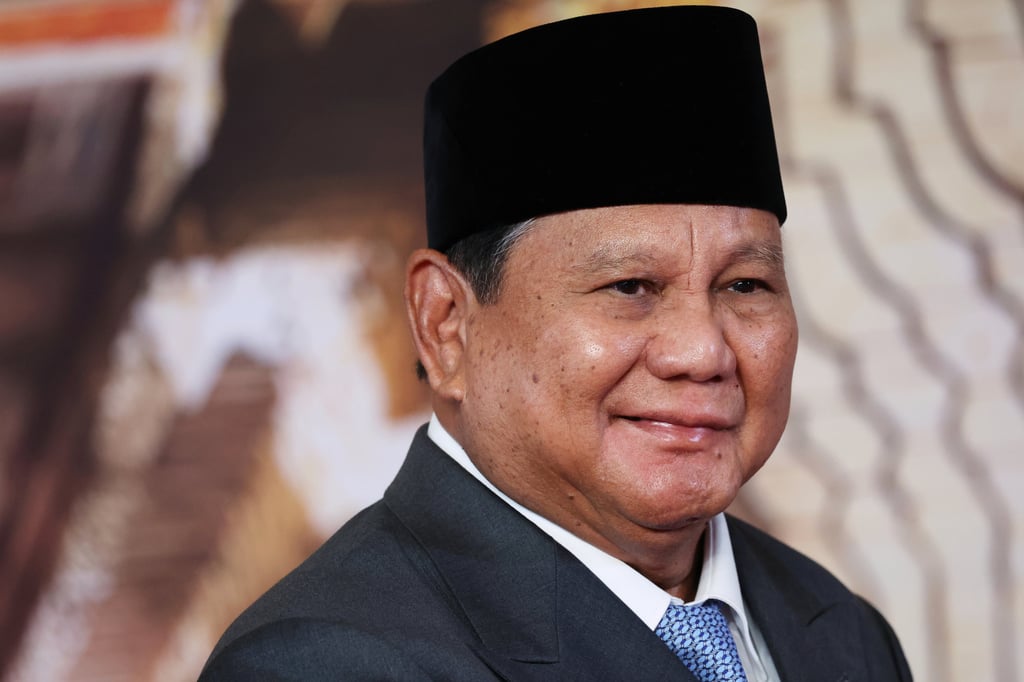
In an address on September 18, Prabowo said he “very much agreed” with the idea that all public schools, including universities, should be tuition-free.
“Later, someone will ask, ‘Where does the money come from?’ The money will be taken from [state] funds that have been corrupted and stolen,” Prabowo said.
Officials estimated that they needed to allocate up to 302 trillion rupiah (US$16.9 billion) per year to make education free, including 93.7 trillion rupiah to eliminate tuition at state universities.
Minister of Primary and Secondary Education Abdul Muti told reporters on September 21 that all public schools from kindergarten to high school in Indonesia were “already free”, while initiatives such as the Smart Indonesia Programme helped students from poor families pay their tuition fees.
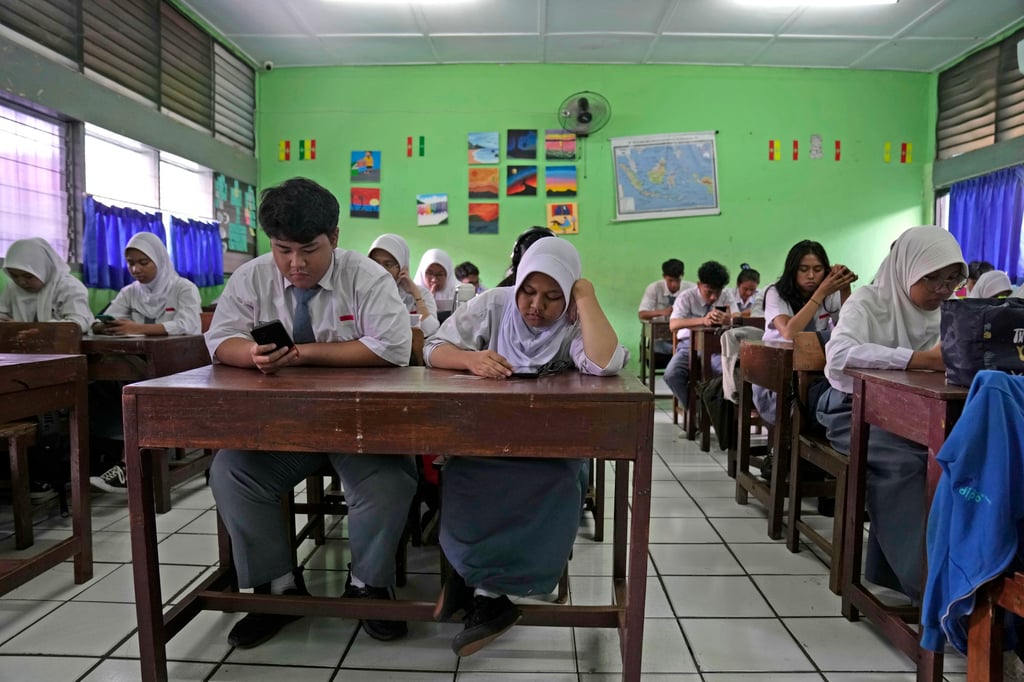
In Indonesia, the government subsidises the operational costs of public schools, but students’ parents still have to pay for books, uniforms, voluntary donations and other fees that each school committee may impose.
Financial feasibility
Education experts said Prabowo’s latest programme could make pursuing higher education a realistic possibility for more students, but they expressed scepticism about the proposal’s financial feasibility.
“This is a good and populist policy, but can it be implemented? That’s a big question because the budget isn’t guaranteed. The president said the [money] will be taken from corruptors, which is even more abstract and unclear,” Totok Soefijanto, a rector at the Jakarta-based private higher education EMTEK Digital Media Institute, told This Week in Asia.
While the government had set aside 20 per cent of the state budget, or 769.09 trillion rupiah, this year for the education sector, Totok said its spending was not committed to improving the quality of education.
“The education budget has been used more for routine expenditures, such as civil servant salaries and allowances, rather than for the essentials of education, such as improving teacher competency, school facilities, the quality of the educational process, and enhancing learning,” Totok said.
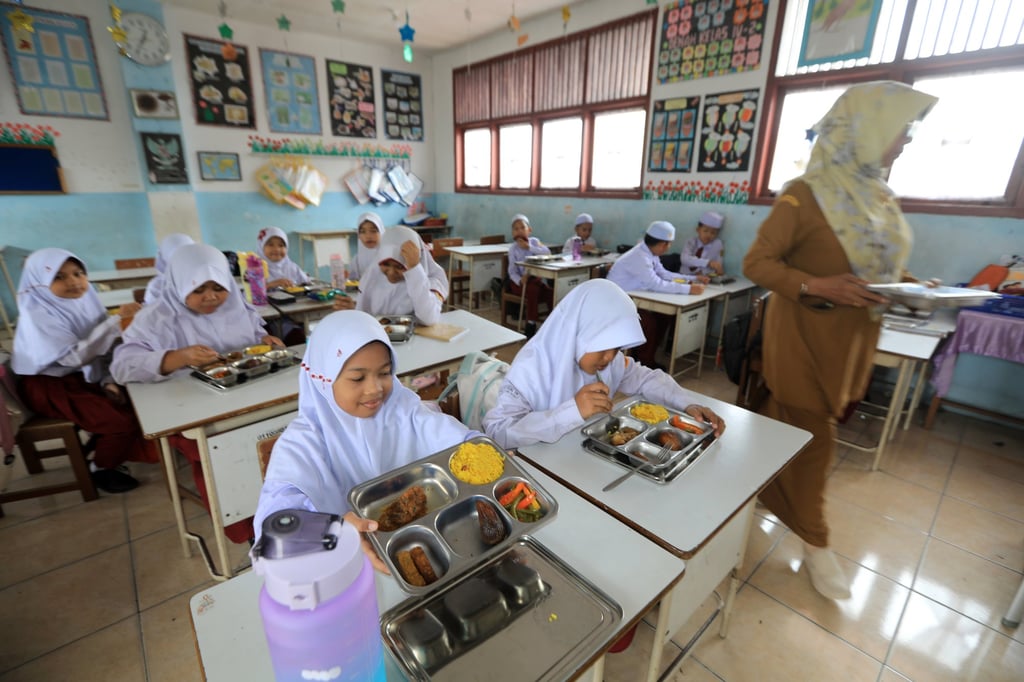
Doni Koesoema, an educator with the Indonesian Platform for Teacher Networking, said the education budget was currently “scattered across various ministries and largely used for the free nutritious meals programme”.
The education budget is split across four institutions. The largest recipient, at 29 per cent, is the National Nutrition Agency, which oversees Prabowo’s flagship nutritious meals programme.
Doni estimated that covering tuition fees from kindergarten to university level in Indonesia would require 850 trillion rupiah per year.
To improve the quality of learning, Itje Chodidjah, an independent education expert, suggested the government direct its limited budget towards empowering educators instead.
“Free [education] isn’t always a positive thing if the policy is implemented without careful consideration. Schooling can be free for children who truly need it, but what’s the point of a free education without quality?” Itje said.
If teacher welfare was not met, “it will disrupt the process of improving the quality of students, even if their schooling is free”, she added.
Totok also pointed to other education costs, such as transport and uniforms, for students of low-income families.
“There are actually many barriers for children from poor families to attend college. It’s not just tuition fees. Many families rely on their children to work instead of going to school,” Totok said.
He cited the example of one of his students from East Nusa Tenggara province who had already received a university scholarship but had to quit school to support his family financially.
While offering free schooling at all education levels was “something worth appreciating”, Doni said it needed to be paired with targeted affirmative action, as fee waivers at state universities would largely benefit middle- and upper-class students who had the resources to pass competitive admission exams.
“Free education must be based on meritocracy, but there must also be affirmative action for students from low-income families or those facing [educational] barriers in remote areas,” Doni said. “Otherwise, they won’t be able to attend university.”
KioskNews shows a cleaned-up reading view extracted from the publisher’s page — the original always lives on their site, not ours.