Boulder, Colorado, may elect mayor who has refused to say if Israel should exist
BOULDER, Colorado (JTA) — Voters in this Rocky Mountain foothills college town could soon elect a mayor who won’t affirm that Israel should exist, just a year and a half after a deadly antisemitic terror attack struck the city’s historic downtown.
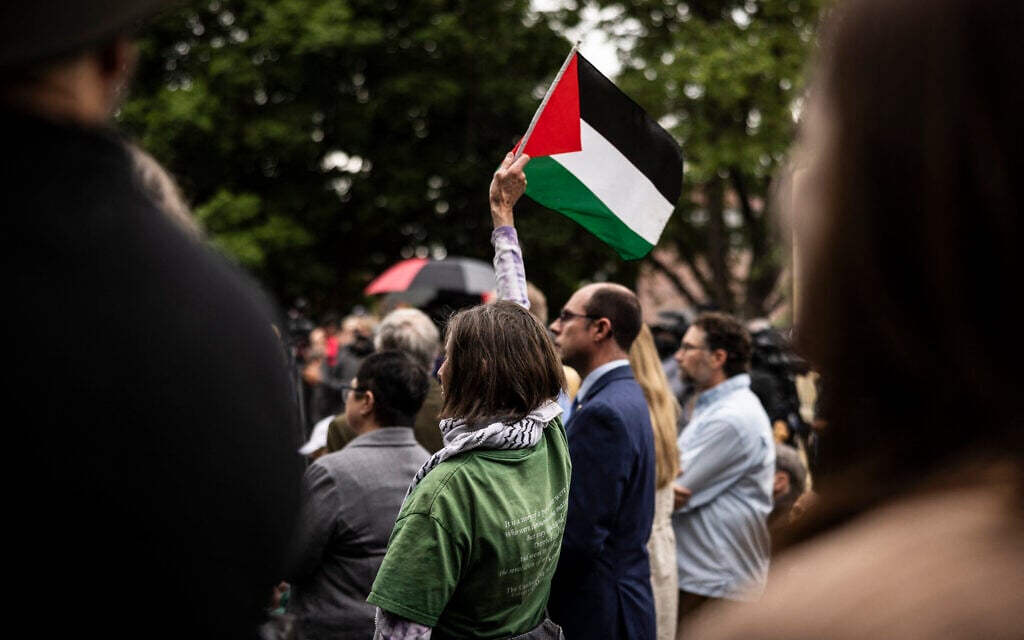
Protests against Israel’s war in Gaza cropped up in Boulder in the months following the October 7, 2023, Hamas-led onslaught in Israel and subsequent war in Gaza. At the center of many of them was Taishya Adams, a council member who had primarily run on climate resilience and affordability issues during her 2023 campaign.
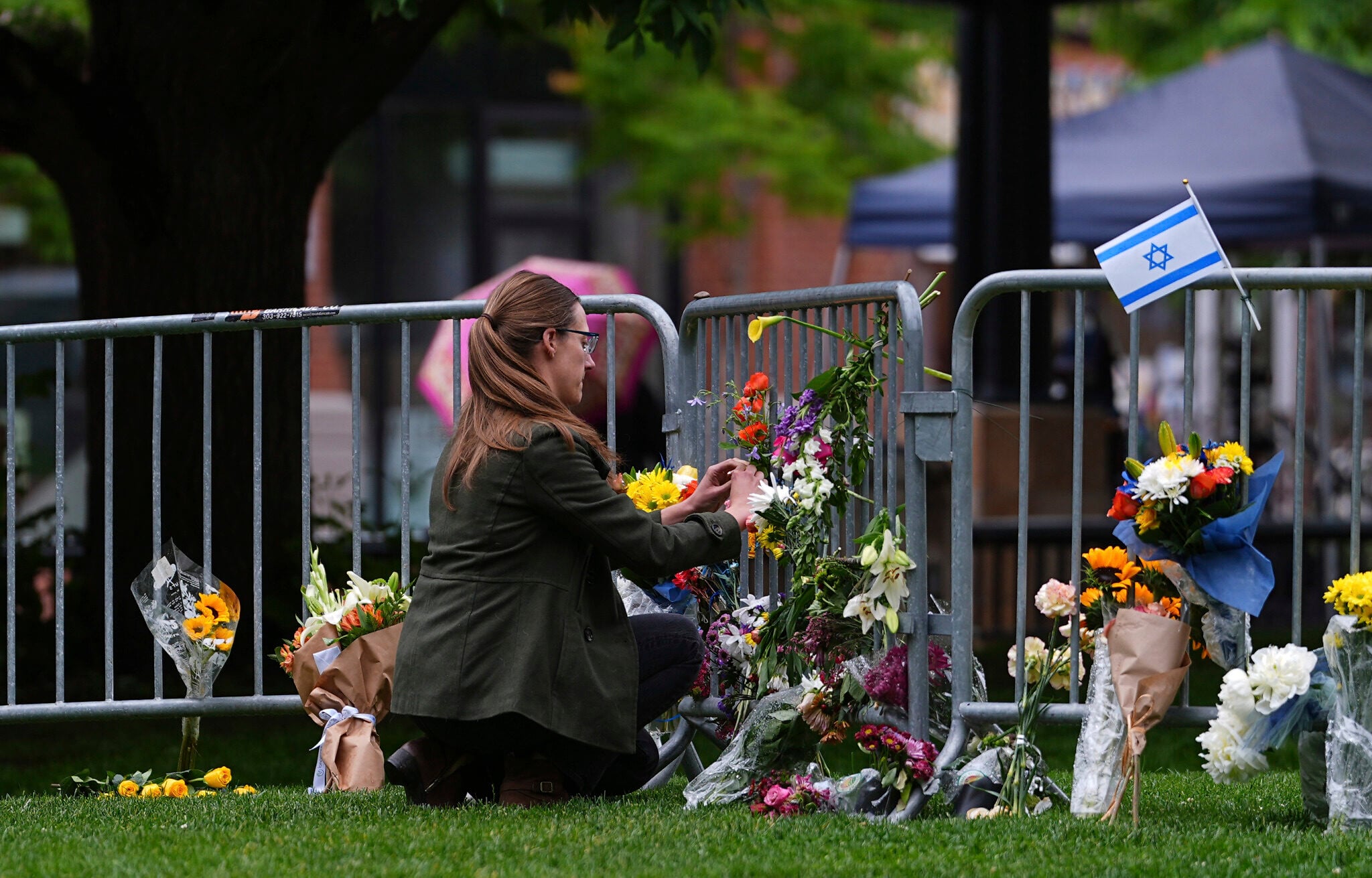
But the Israeli-Palestinian conflict hit much closer to home after a June 2025 firebombing on Boulder’s Pearl Street Mall. The attack killed one person and injured a dozen others who were participating in a Boulder Run for Their Lives walk, aimed at drawing attention to the Israeli hostages held by Hamas in Gaza at the time. The day after the attack, Adams was the sole council member who refused to sign a collective statement condemning it.
0:00 / 0:00
Promoted: JPPI, Rabbi Sharon Brous
“The Israel genocide has been one of the defining moments of my tenure,” Adams, who is now running for mayor, told the Jewish Telegraphic Agency.
Although she shares similar positions on issues such as climate change and affordable housing with many of her fellow council members, Adams has split from her colleagues – including her top opponent, incumbent Mayor Aaron Brockett – on Israel.
Get The Times of Israel's Daily Edition by email and never miss our top stories
By signing up, you agree to the terms
Boulder residents will head to the polls on November 3 to vote for mayor, as part of the US midterm elections. According to reports, Brockett is expected to win reelection, with Adams expected to come in second in the ranked-choice ballot.
Asked whether she believes the state of Israel should exist, she said, “I know that people want to hear this easy yes/no, but I don’t believe that creating false binaries is going to lead to our collective liberation.”
Adams, who joined the council just two months after the October 7 attack, added that it doesn’t matter whether she believes Israel should exist.
“Any state that exists has the responsibility to administer equal rights, whether that’s Israel or the United States or any state,” she said.
When asked by JTA if he believes Israel should exist, the incumbent mayor replied, “I do,” noting that this is his personal belief and not relevant to his role as a city official.
Adams earned the endorsement of Boulder County Democratic Socialists of America soon after announcing her candidacy for mayor this summer. But another powerful local faction, Boulder Progressives, chose to back Brockett, listing Adams as a second option in the city’s ranked-choice voting system.
While internal city council divisions on Israel-Gaza were apparent from the get-go, tensions escalated following the Pearl Street Mall attack.
The day after the attack, city council members formally denounced it as an “act of violence and terror.” Their statement, issued with the mayor and city manager, recognized “in the strongest possible terms that this was a targeted, antisemitic attack.” The signatories stressed that such “dread and insecurity, backed by a history of persecution, are all too familiar” to Jewish residents.
“We cannot – and will not – allow antisemitism to become normalized here,” their statement added, stressing a need to “refrain from any commentary or speculation about the suspect.”
Rather than sign the statement, Adams issued her own the next day, explaining that her decision “did not reflect any lack of empathy or support for Jewish community members – or an attempt to somehow justify the horrific act committed by this individual.”
Instead, she said she withheld her signature because her colleagues wouldn’t link the attack to both antisemitism and “anti-Zionism.” Stating that the attacker had used the latter term in previous remarks, Adams argued that its inclusion would allow them “to be real about the possible motivations for this heinous act.”
“Denying our community the full truth about the attack denies us the ability to fully protect ourselves and each other,” she stated. “I would have been eager to sign the statement if my colleagues could agree to my edit.”
Asked by JTA why this was a dealbreaker, Adams again referenced previous comments made by the attacker, Mohamed Sabry Soliman. Videos that described God as “greater than Zionists” were allegedly recorded by Soliman before the firebombing. Separately, an FBI affidavit said Soliman told investigators “that he wanted to kill all Zionist people and wished they were all dead.”

In retrospect, Adams said that she would have preferred if Soliman’s language had focused on “the actions of the Israeli government” rather than on Zionism, thereby “uncoupling the actions of a state from the actions of a people.” She said that at his May 7 plea and sentencing hearing, he apologized to the Jewish people and was specific about his stance against “allowing any state to commit war crimes and to commit a genocide.”
“I was raised that a half truth is a lie,” Adams added. “And the full truth of what he said and what he did was not exclusive to people who identify as Jewish.”
Regardless of his motivation, Adams said she condemned Soliman’s actions and stressed that “an eye for an eye is a no.” But standing with the victims, she explained, means telling them “the potential causes for the harm that was done to them.”
Brockett, who was mayor at the time, disputed his opponent’s approach, recalling how in the difficult aftermath of the attack, he and most of his colleagues wanted to “make a very strong, unequivocal statement” that condemned the incident as antisemitic.
“We were reeling from the magnitude of that and how incredibly awful it was, and how badly people were injured,” he said, noting that he was unwilling to include the term “anti-Zionist,” because he felt that this would be speculative about the attacker’s motives.
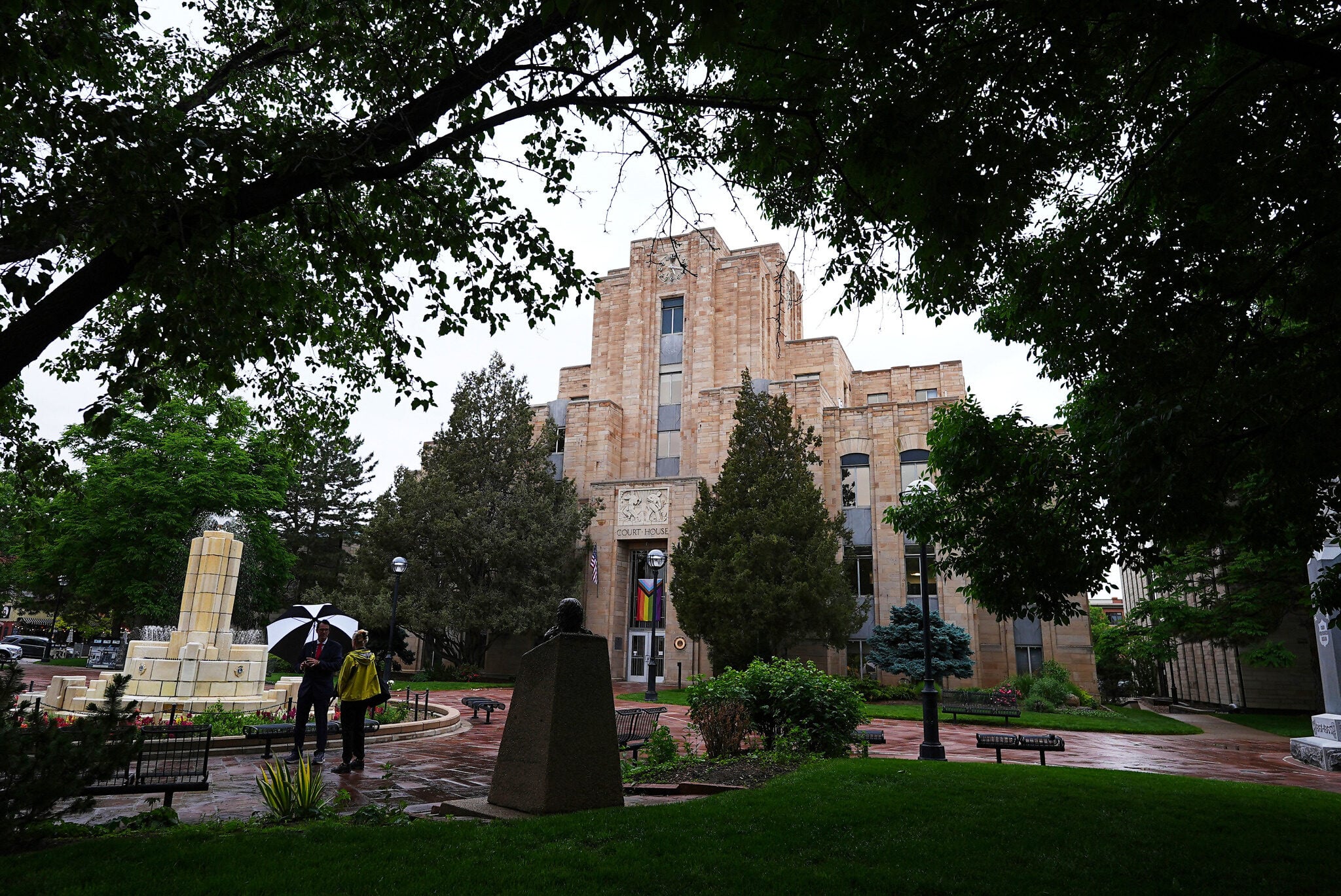
The dispute over the condemnation statement followed about 20 months of council meetings that included contentious public comment sessions about the Gaza war.
Adams was one of just two council members who voted in February 2024, about four months after the Hamas attack, to consider a ceasefire resolution, which did not advance. Opponents, including the mayor, cited a need to focus on local matters, while also referring to a city code that limited action on foreign issues, according to the Boulder Reporting Lab.
Then in February 2025, Adams was one of three council members who supported revisiting the city’s investment policy to consider excluding more weapons manufacturers. Before the informal vote, Adams cautioned against “investing in weapons,” saying she wanted “a peacemaking community” and not a “war-enabling community.”
Six months later, Adams was the only council member to support reopening the investment policy discussion. Her new request, she explained in a statement, stemmed from a UN Special Rapporteur report that accused certain companies, including Microsoft, of being “directly involved in Israel’s occupation and genocide.”
The UN report, Adams told JTA, showed that Boulder was investing in firms that “have committed war crimes,” when the city should spend its money on bolstering projects like renewable energy initiatives or regenerative agriculture.
KioskNews shows a cleaned-up reading view extracted from the publisher’s page — the original always lives on their site, not ours.