Hongkong Post reports record HK$905 million deficit in ninth year of losses
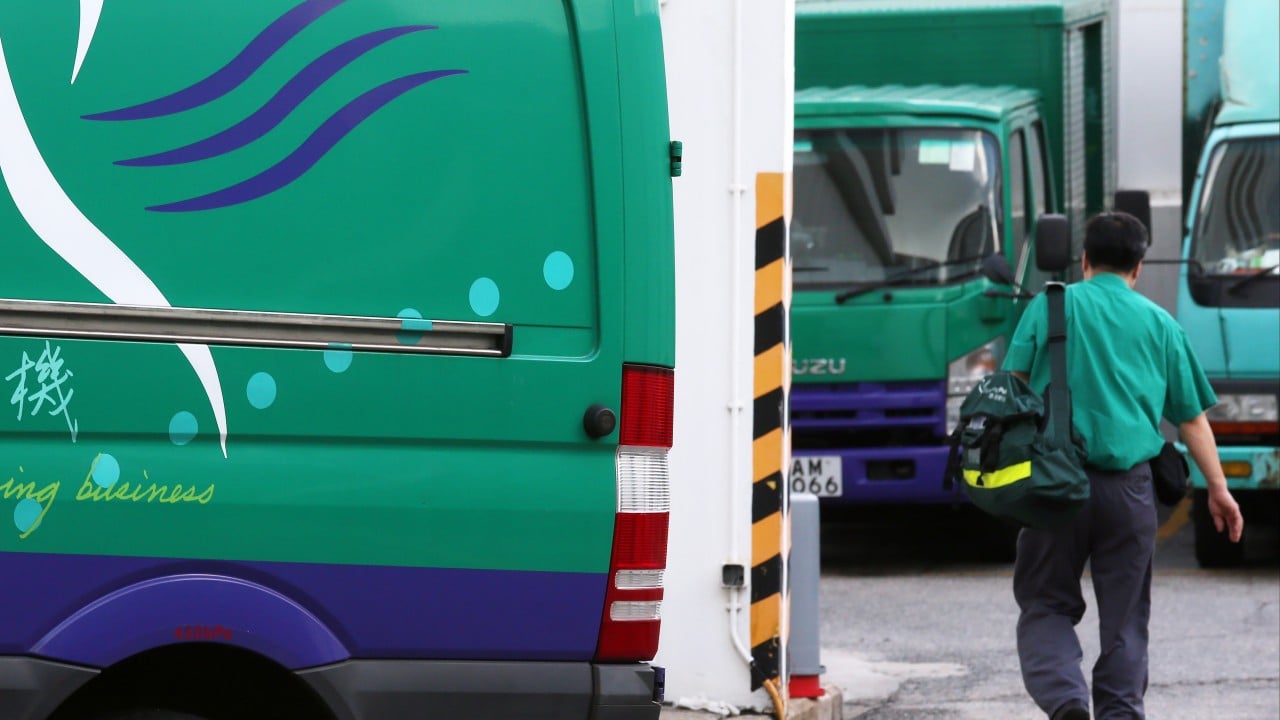
Hong Kong’s government-owned postal service reported a record operating deficit of HK$905 million (US$115 million) in 2025-26, its ninth straight annual loss.
In its annual report published on Wednesday, Hongkong Post said the past year showed its “resilience and adaptability” despite a volatile economic environment and an escalating geopolitical situation.
“The emergence of protectionism, tightening customs policies in various places, increasing terminal dues and rising operating costs posed significant challenges to its operations, resulting in an operating deficit of HK$905 million for the year,” Postmaster General Donald Ng Man-kit said.
Ng, formerly director of the Food and Environmental Hygiene Department, took up the post last month, succeeding Leonia Tai Shuk-yiu. His appointment came as the embattled department received a HK$4.6 billion government grant to support its operations over the next three years.
The shortfall widened 10 per cent from HK$821 million the year before, as operating revenue of HK$2.33 billion covered barely two-thirds of HK$3.24 billion in operating costs.
After accounting for other income and expenses, its annual loss was HK$907 million.
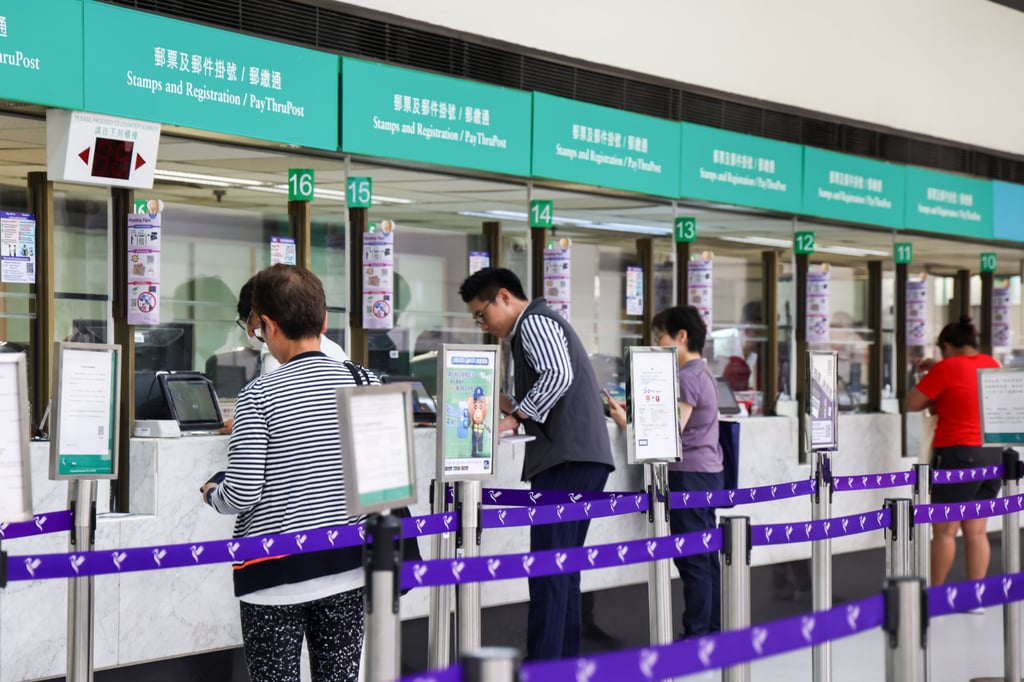
Staff costs accounted for the largest share at more than HK$2 billion, followed by general postal operating expenses at HK$918 million and administrative expenses at HK$265 million.
Its return on fixed assets also deteriorated, falling from negative 34 per cent in 2024-25 to negative 41.4 per cent in the past financial year.
Mail volume slipped from 611 million items in 2024-25 to 603 million in 2025-26, down by about a third from the 904 million items handled in 2021-22.
About one-third of international mail sent during the past year was destined for Asia and Europe, while less than a quarter went to mainland China.
To accelerate its transformation, Hongkong Post said it had sought to capitalise on booming global e-commerce by working with postal administrations and commercial partners. These efforts included expanding its special-lane delivery services to Belt and Road Initiative countries and the Asia-Pacific region.
Despite a dynamic operating landscape and ongoing challenges, the department said it remained committed to providing reliable public postal services that met the needs of the community.
It noted that the government was conducting a comprehensive review of Hongkong Post’s operating model, including exploring the “most appropriate way” to provide public postal services and develop more innovative, cost-effective models.
“In the meantime, we will continue to step up our efforts and implement a series of cost-saving measures while developing e-commerce mail businesses and other diversified postal services,” it said.
A self-financing government department since 1995, Hongkong Post has recorded deficits for nearly a decade – a stark contrast to its peak profit of HK$1.23 billion in 1997-98.
In an unprecedented cost-saving move, it announced in August that new employees would no longer be offered permanent civil service positions, but instead two-year contracts. The decision sparked a backlash within the public service.
The move followed the Legislative Council’s approval of a rescue plan to inject HK$4.6 billion into Hongkong Post’s operations over the next three years. The government has also pledged to unveil a reform road map by 2028.
KioskNews shows a cleaned-up reading view extracted from the publisher’s page — the original always lives on their site, not ours.