China’s DeepSeek open-sources tools to help Huawei chips supplant Nvidia in AI
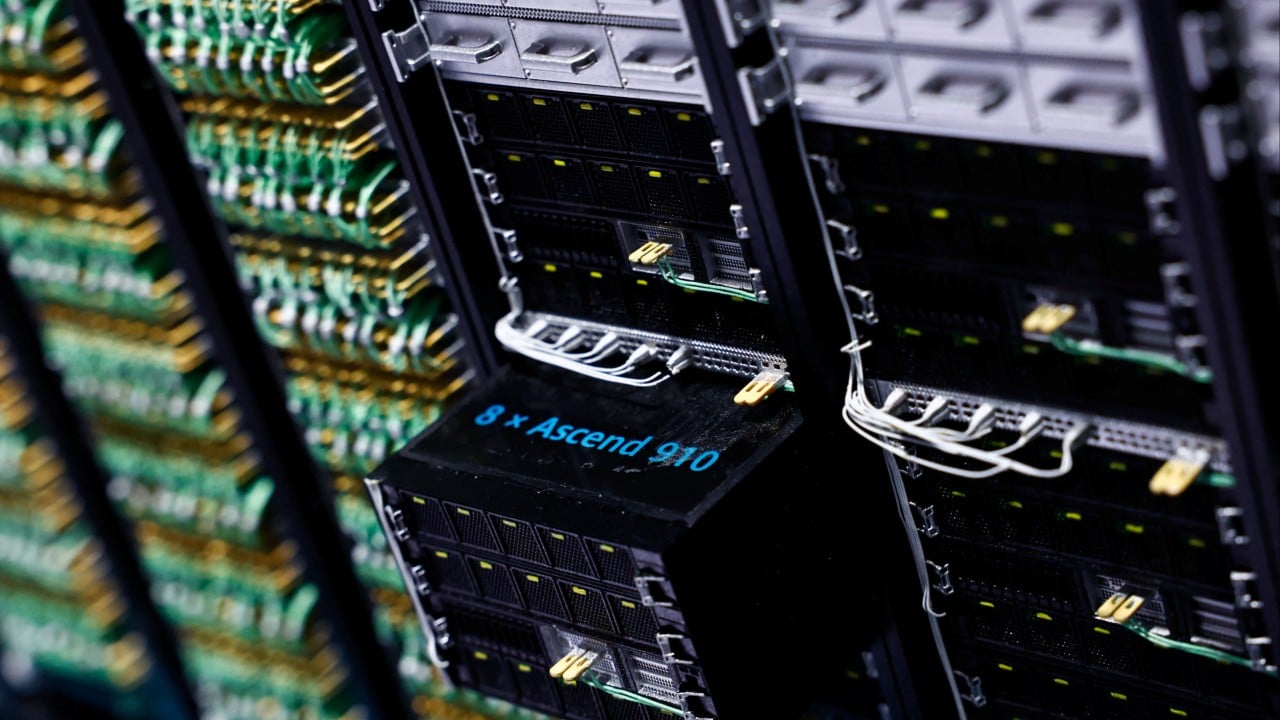
Chinese artificial intelligence start-up DeepSeek on Wednesday open-sourced a suite of core tools tailored for Huawei Technologies’ Ascend AI chips, marking a step forward in the country’s push to end dependence on processors from US giant Nvidia amid US export curbs.
Hangzhou-based DeepSeek released six software modules that mirror its prior open-source tools for Nvidia’s AI chips, aiming to build a new “independent and controllable” software ecosystem for graphics processing units (GPUs), according to a post on its official WeChat account.
Among the releases is an Ascend-compatible version of TileLang, a custom programming language designed to streamline the development of high-performance kernels – essential computation programs – to run on GPUs and central processing units.
While TileLang lists Nvidia as its primary back end, it now officially supports Huawei’s Ascend 950 accelerators, offering “native code generation, automatic scheduling, and synchronisation”, according to an update on the project’s GitHub page.
KioskNews shows a cleaned-up reading view extracted from the publisher’s page — the original always lives on their site, not ours.