UK households left thousands of pounds worse off due to cost-of-living crisis, study finds

British households are nearly £3,000 worse off following five years of pressure on living standards, according to research from a leading think tank.
A study by the Resolution Foundation reveals the UK endured the equivalent of 13 years of typical price rises in just five, driven by the pandemic and conflicts in Ukraine and the Middle East.
Had inflation remained at standard levels, the average home would be £2,900 better off today.
With surging energy bills underpinning the crisis, households cut back on heating, with around 1.7 million families unable to keep warm enough in 2022/23 compared to the previous year.
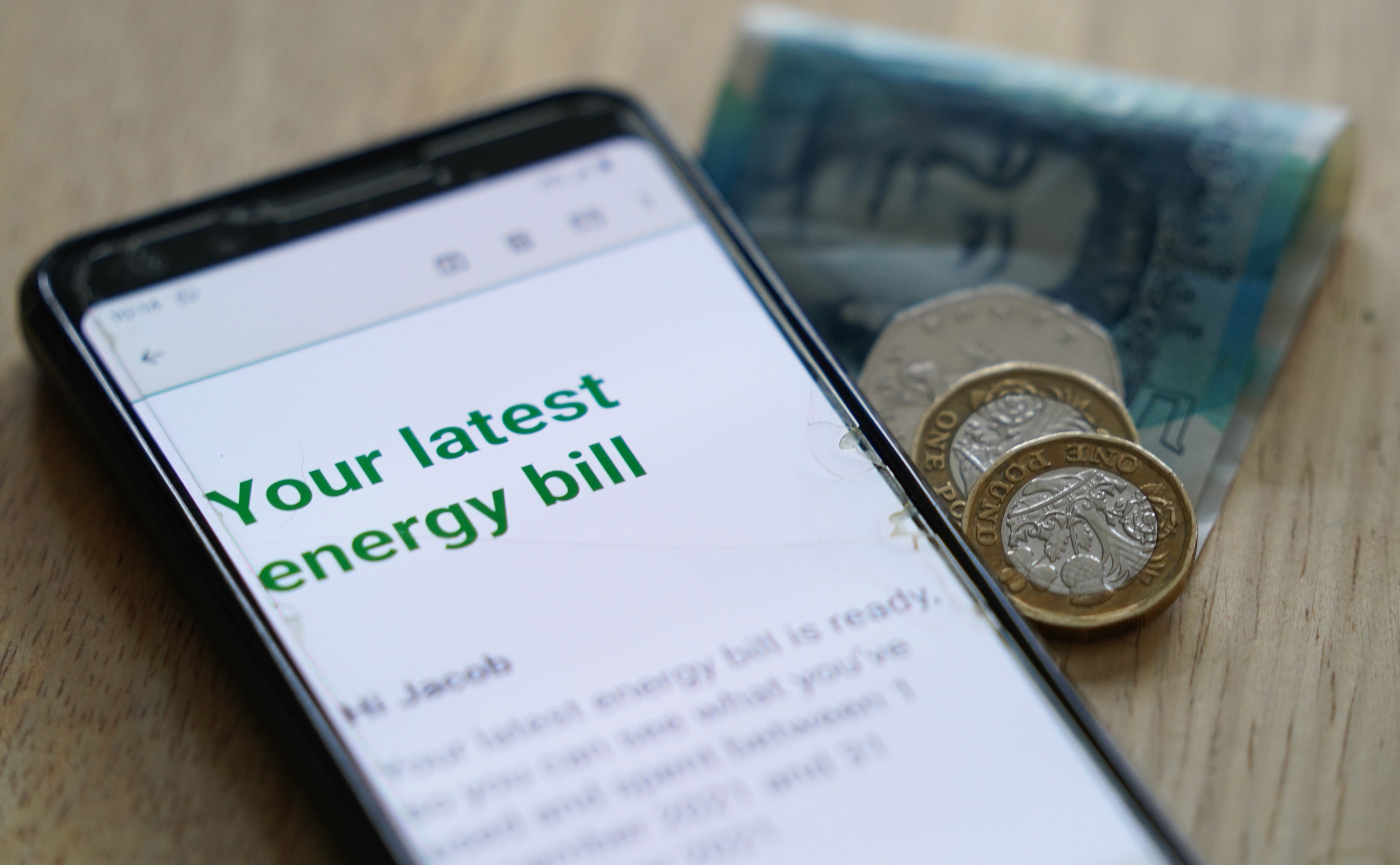
Meanwhile, the proportion of low-income households falling behind on priority commitments – such as rent, water, council tax and energy – has almost doubled since 2020, with 18 per cent reporting arrears by March this year.
James Smith, chief economist at the Resolution Foundation, said: “While the hit to incomes from rising prices has been felt right across the board, the hardship has not been equally shared.
“It is poorer families who have cut back hardest on heating and are falling behind fastest on essential bills, and the conflict in the Middle East is set to keep energy prices high.”
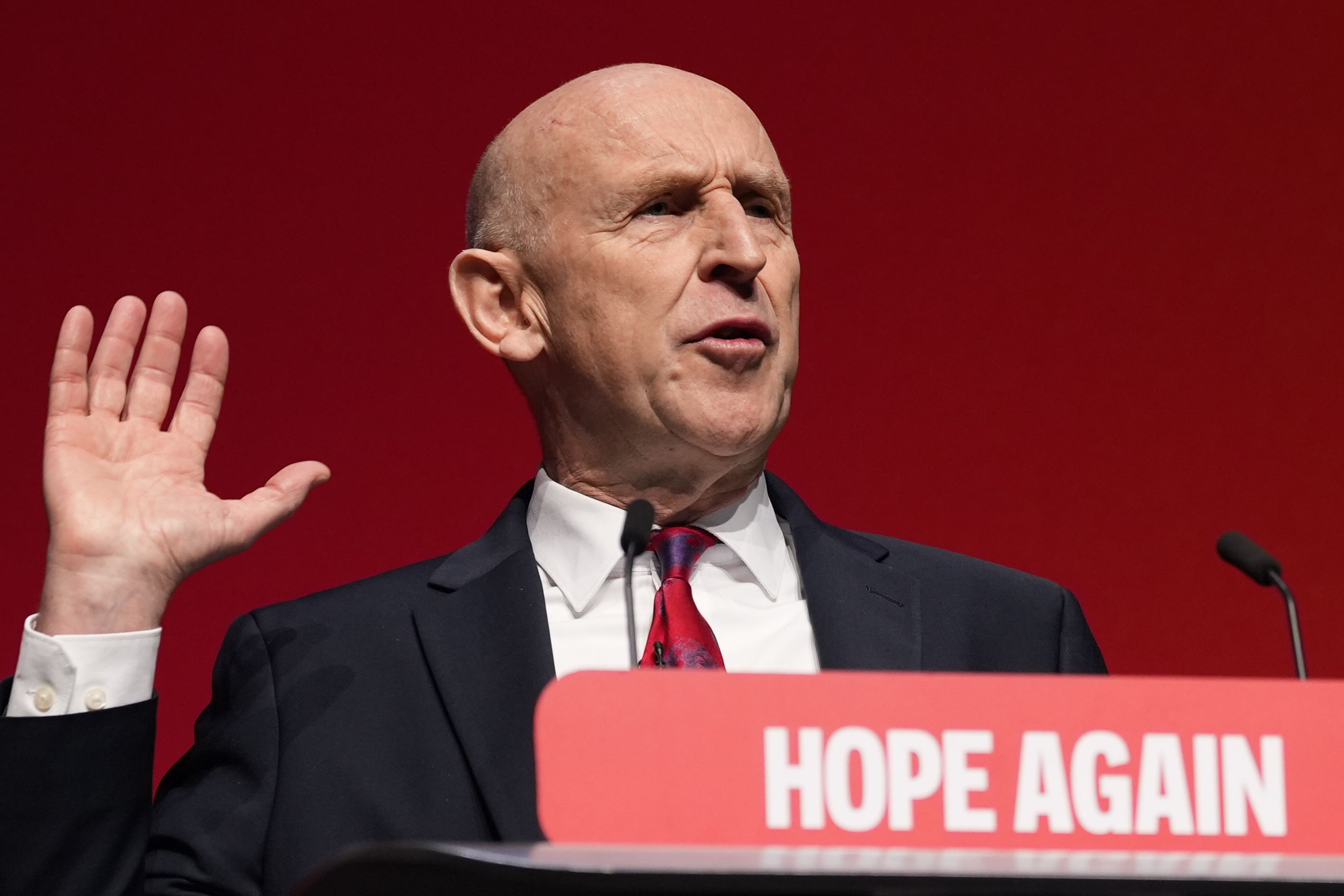
The Resolution Foundation study comes as Chancellor John Healey prepares his first Budget, in which he will face pressure to provide additional support with the cost of living following Andy Burnham’s pledge to provide “breathing space” for families.
But he also faces a squeeze on the public finances, with the Iran war and a global bond sell-off driving up borrowing costs.
Mr Smith said cost-of-living help was needed “just when the public finances leave less room than ever to provide it”.
But he cautioned against a Liz Truss-style universal package of support, adding: “The Government can’t borrow its way out of this, and repeating the expensive blanket support of 2022 isn’t an option.
“Any new help must be squarely targeted at the poorer families facing the greatest hardship – starting with their energy bills.”
Green MP Hannah Spencer said bills were still going up despite Mr Burnham’s promise of “breathing space”, with predicted increases in January set to be “the final straw for too many people”.
She said: “The Budget will fail families unless we start to see a proper plan to address the cost-of-living crisis.
“This means moving more costs off energy bills, properly funding a national home insulation scheme, clamping down on huge profiteering by energy companies and rapidly scaling up cheaper, cleaner energy.”
KioskNews shows a cleaned-up reading view extracted from the publisher’s page — the original always lives on their site, not ours.