Tesla’s Musk pulls plug on Cybertruck for robotaxi push after years of poor sales
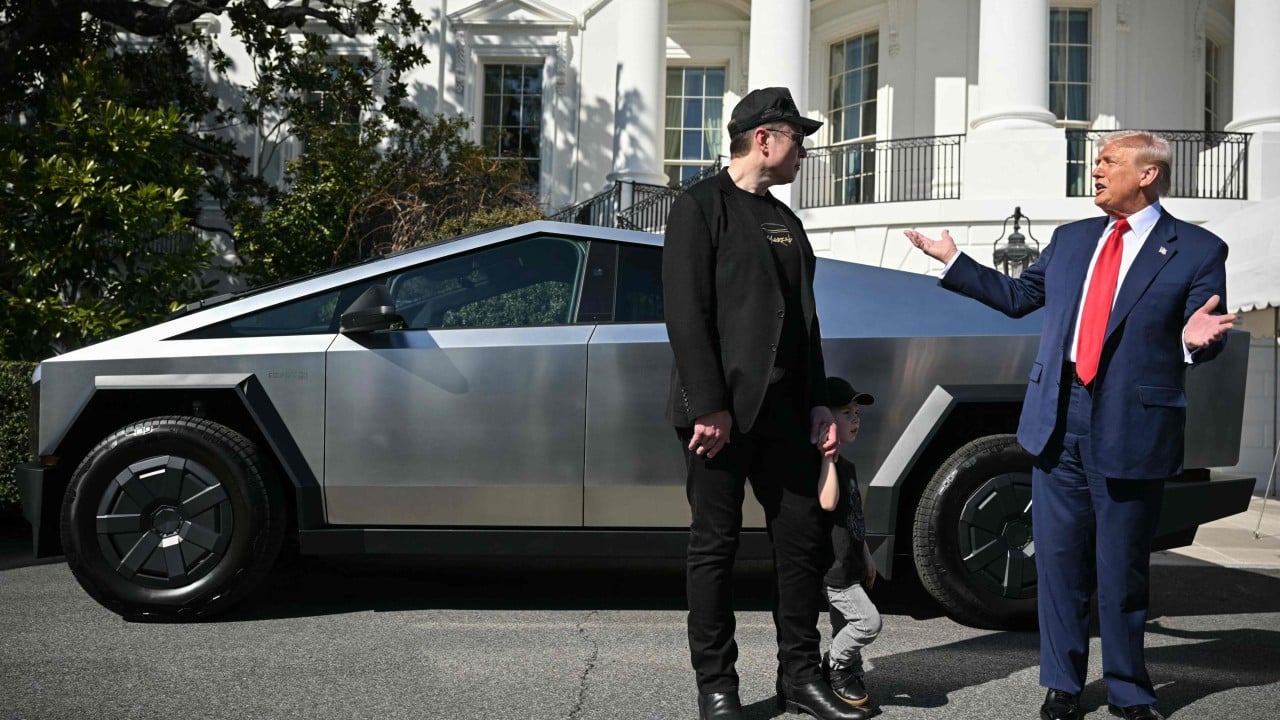
Tesla would wind down Cybertruck production at its Texas gigafactory around mid-2027, CEO Elon Musk said on Friday, after years of persistently weak sales for a futuristic model once touted as a rival to legacy pickup trucks that ultimately only sold in just a handful of markets because of its heavy, angular design.
Musk said in an X post the production wind-down would enable the carmaker to accommodate increased output of its newly launched Cybercab model, which the billionaire has made central to Tesla’s robotaxi ambitions.
While it was not immediately clear whether Cybertruck production would be moved to another facility or phased out entirely, the carmaker’s Austin plant is the only known Tesla facility equipped to manufacture the model’s specialised components.
In response to a user on X, Musk called the Cybertruck the “best vehicle Tesla has ever made” and the wind-down the “end of an era”. Tesla did not immediately respond to a request for comment sent outside regular business hours.
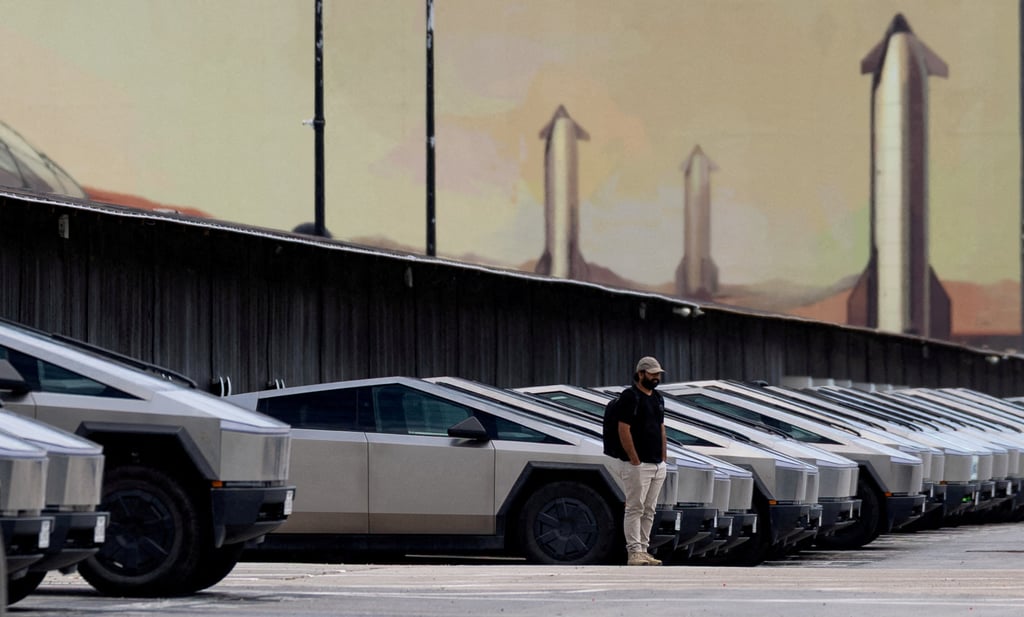
The US EV maker began delivering the Cybertruck to customers only in late 2023. According to Kelley Blue Book, the company sold only 20,237 Cybertrucks in the US last year, down 48 per cent from 38,965 in 2024. Before the pickup truck launched, Musk had predicted annual sales of 250,000 units.
“It doesn’t make sense to keep it going when it’s not meeting its targets. Every rational auto guy would say the same,” former Aston Martin CEO Andy Palmer said. “It will no doubt only be a rounding error on Tesla’s balance sheet, but the statistics speak for themselves.”
Right from its unveiling in 2019, the Cybertruck was a controversial choice for Musk. Its angular design was mocked by pickup truck purists and safety experts predicted it would be hard to gain approval for sale in key markets like Europe.
The unveiling event itself was marred when Musk tried to prove that its windows were shatterproof by having metal balls thrown at them – only to leave massive cracks in two of them.
During Cybertruck’s official launch in 2023, Musk touted it as a futuristic competitor to pickup trucks from General Motors and Ford, saying “finally, the future will look like the future”.

But the vehicle has struggled to meet those expectations.
Automotive analyst Felipe Munoz said that although the Cybertruck has been called a failure because of its poor sales, electric pickups from Ford and others have also flopped in the US market. “All of them lost the competition because electric pick ups aren’t popular in the US,” he said.
The Cybertruck’s sharp-edged stainless-steel design limited its prospects in markets like Europe where EVs are more popular. Regulatory approval was impossible for Europe because of rules there concerning pedestrian impact.
“Anywhere where you have crash regulation that takes into account pedestrian impact, that Cybertruck won’t go, can’t go,” Palmer said.
The Cybercab, which has butterfly doors and no steering wheel, pedals or mirrors, is one of Musk’s key bets in his push to turn Tesla into an AI and robotics company rather than just a carmaker. Musk has said he sees it as Tesla’s main autonomous model supplying a global network of robotaxis.
After years of delays to Musk’s self-driving targets, Tesla began offering paid rides in a small fleet of Cybercabs in Austin in September. However, the carmaker still has to answer the US auto safety agency’s questions on whether it has properly self-certified Cybercab to demonstrate compliance with federal motor vehicle safety standards.
“Cybertruck was an incredible technology development platform and lives on through Cybercab,” Cybertruck lead engineer Wes Morrill said on X.
KioskNews shows a cleaned-up reading view extracted from the publisher’s page — the original always lives on their site, not ours.