Princess Sirivannavari leads Thai costume showcase in Tokyo
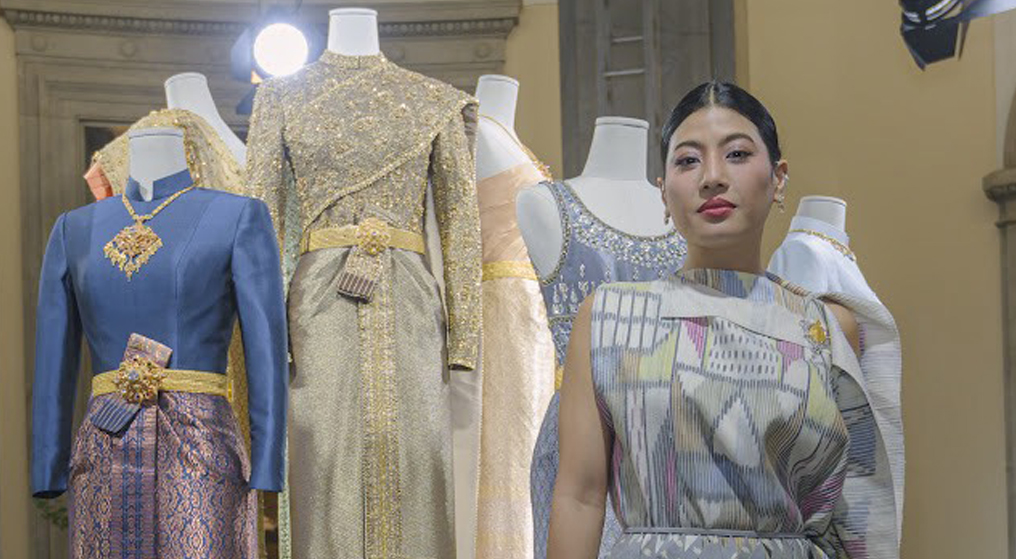
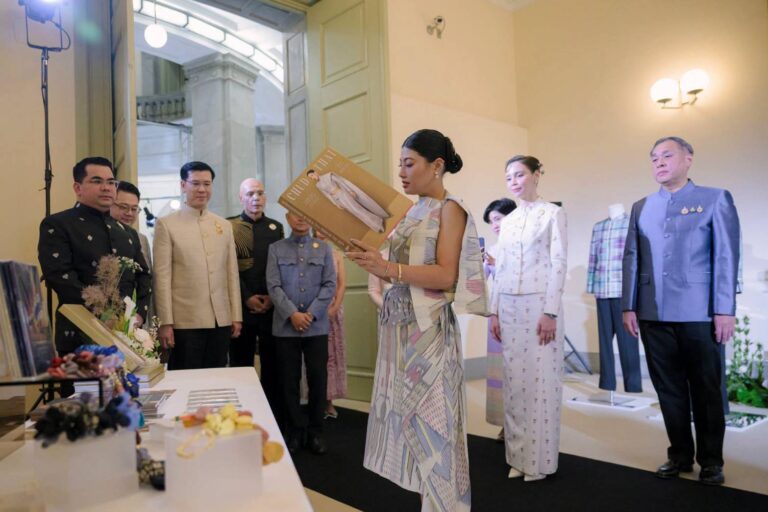
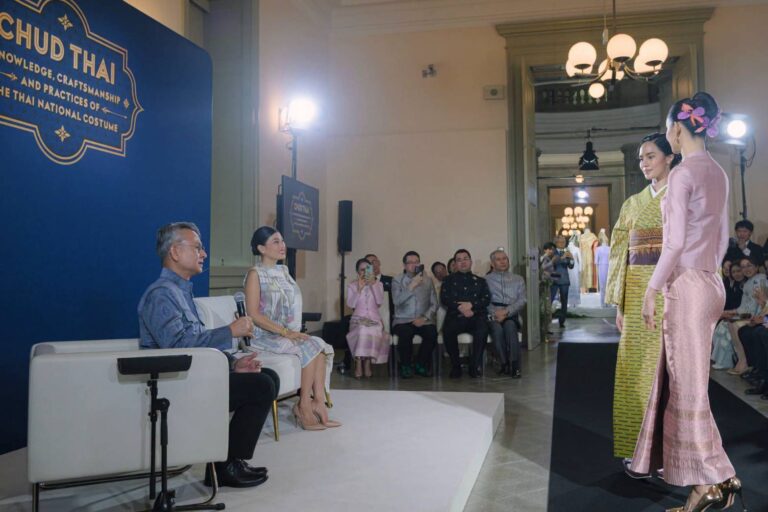
TOKYO, Japan — 18 Septemeber 2026, Princess Sirivannavari Nariratana Rajakanya presided over a showcase of Thailand’s eight royal Thai costume styles at the Hyokeikan of the Tokyo National Museum, highlighting the country’s traditional craftsmanship and cultural heritage on the international stage.
The showcase featured the eight styles of “Royal Thai Dress”, Thai Ruean Ton, Thai Chitralada, Thai Amarin, Thai Boromphiman, Thai Dusit, Thai Chakri, Thai Siwalai and Thai Chakkraphat, along with three styles of royal shirts for men.
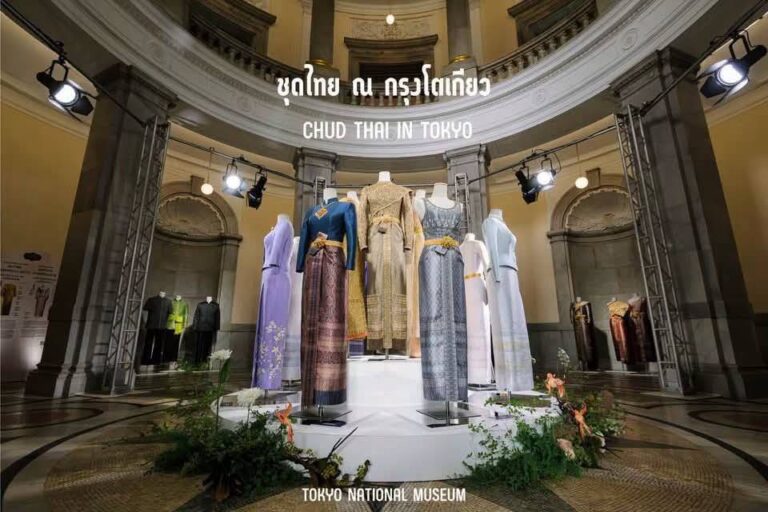
The event was part of “CHUD THAI: Knowledge, Craftsmanship and Practices of the Thai National Costume,” held in Tokyo on Sept. 17-18 as the Ministry of Culture promotes knowledge and craftsmanship associated with Thai national dress.
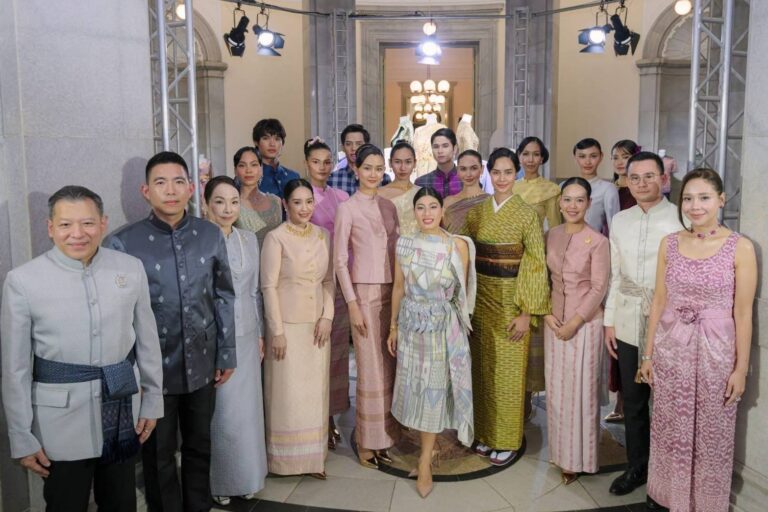
Culture Minister Sabida Thaiseth, Uthai Thani MP Chada Thaiseth and Foreign Affairs Ministry assistant minister Saran Charoensuwan also attended the event.
Visitors were shown demonstrations of traditional Thai jewelry-making and other high-level crafts, including gold-thread work, embroidery, silver and goldsmithing, traditional gold-appliqué fabric bags and auspicious-pattern silk weaving.
The presentations highlighted the techniques as contemporary forms of design rooted in artistic structures, rather than merely historical objects, with an emphasis on their continued development as living cultural heritage.
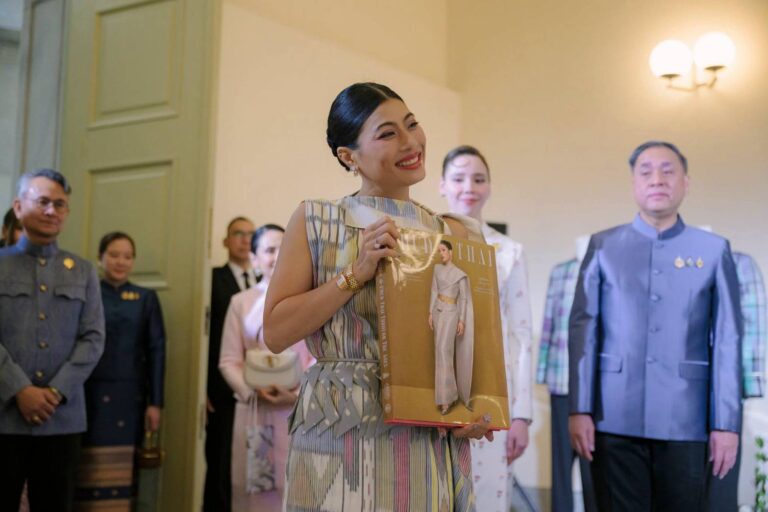
The development of knowledge surrounding Royal Thai Dress is rooted in the legacy of Queen Sirikit, the Queen Mother, who devoted herself to preserving and promoting Thailand’s artistic and cultural heritage, particularly traditional dress as an important expression of Thai identity.
Queen Sirikit studied historical evidence on Thai women’s clothing and systematically examined styles of dress used in the royal court across different periods. She later commissioned historians and designers to develop the Royal Thai Dress as a standardized form of dress for Thai women that was culturally appropriate while suited to modern Thai society.
The resulting styles became models of contemporary Thai dress that combined elegance, modesty and practicality for royal engagements in Thailand and overseas.
Queen Sirikit wore Royal Thai Dress on numerous occasions, using clothing as a form of cultural representation to present Thailand internationally. During her official visits to the United States and Europe, including the Netherlands in 1960, the costumes drew international attention and recognition.
Her work also led to a collaboration with French designer Pierre Balmain, who played a significant role in presenting the beauty of Thai silk through haute couture designs.
In 2024, Thailand’s Cabinet approved a proposal to submit “Thai Costume: Knowledge, Craftsmanship and Practices of Thai National Costume” to UNESCO for consideration for inscription on the Representative List of the Intangible Cultural Heritage of Humanity.
The proposal is scheduled to be considered at the 21st session of the Intergovernmental Committee for the Safeguarding of the Intangible Cultural Heritage, which is due to take place in December 2026 in Xiamen, China.
KioskNews shows a cleaned-up reading view extracted from the publisher’s page — the original always lives on their site, not ours.