What Quentin Tarantino’s Reservoir Dogs says about the US midterms
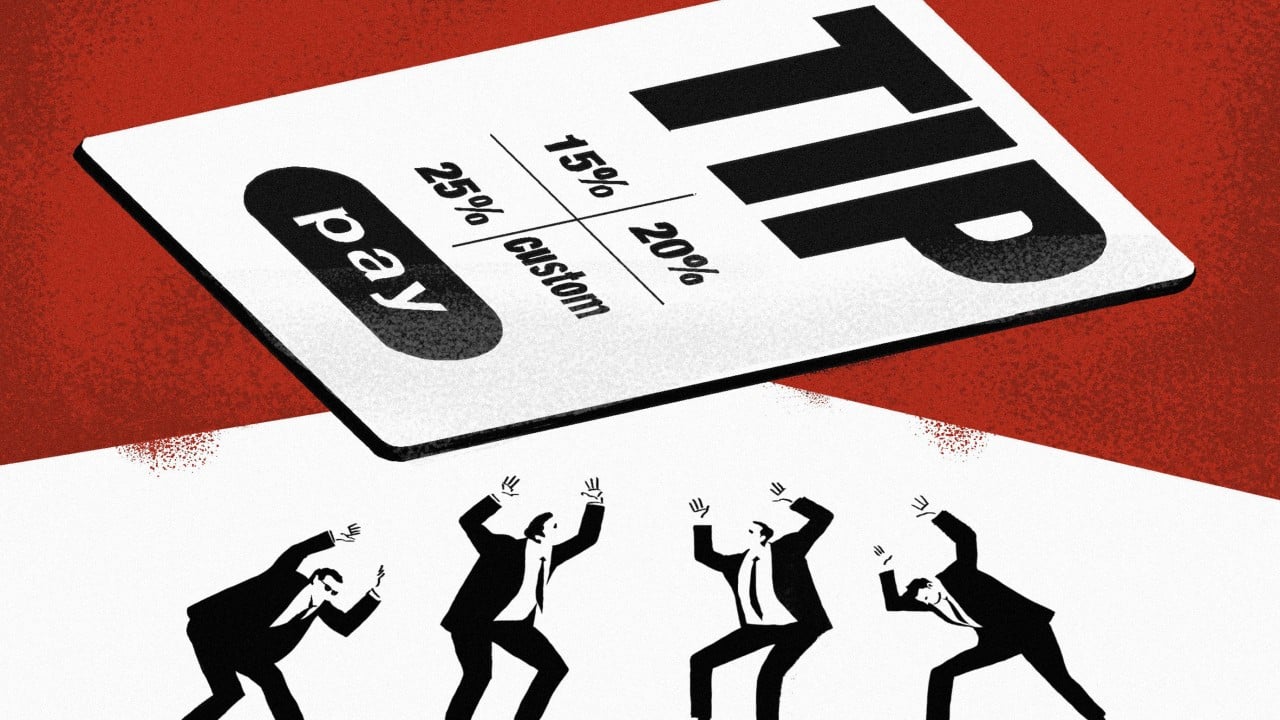
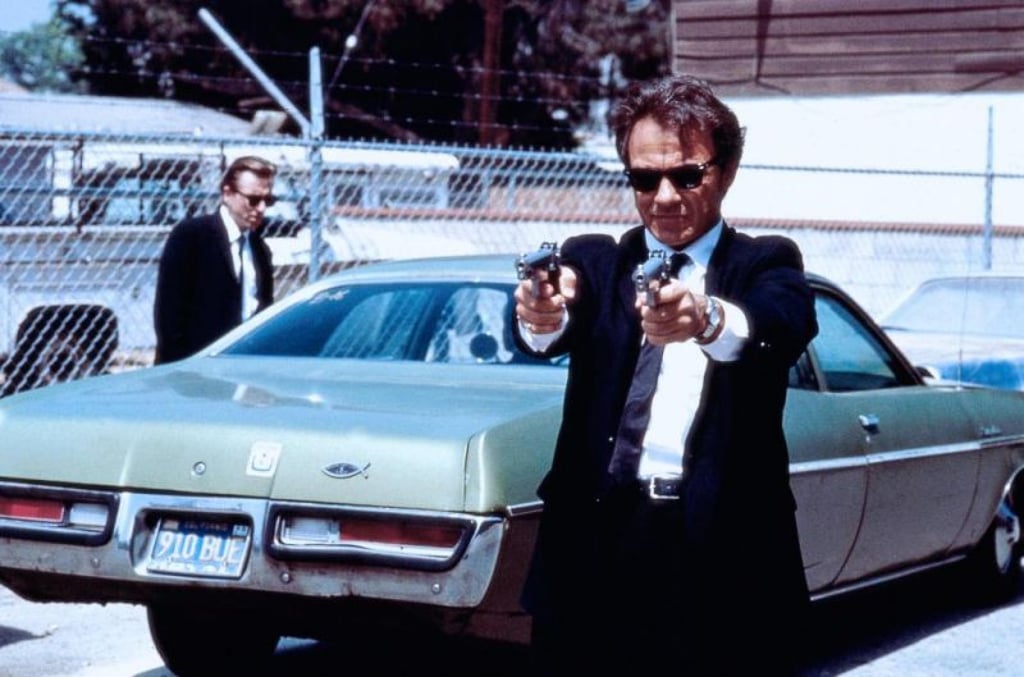
When I first watched Quentin Tarantino’s Reservoir Dogs in 1992, I was struck by its inventive opening. Tarantino launched a gritty crime thriller not with a gunfight or a heist but with eight mobsters in a diner, finishing breakfast while bickering over Madonna and tipping etiquette.
By depicting hardened criminals as ordinary men carping about daily trivialities, Tarantino dispensed with the genre’s macho clichés, rendering the characters disarmingly authentic. Decades later, the subject of tipping still dominates daily American life.
On my recent visit to the United States, that famous anti-tipping monologue came back to me like recurring deja vu. Whether in conversation with intellectuals, corporate executives or hard-pressed students, the subject inevitably surfaced. Increasingly, I heard Mr Pink’s voice, the mobster who stubbornly refused to tip, echoed by people born long after the film’s release and by those who have never seen it.
When crime boss Joe asks the crew to throw in a dollar each for the waitress, Mr Pink flatly refuses. He argues tips should reward exceptional service, not serve as an obligatory social tax. When the crew counters that waitresses rely on tips to survive, Mr Pink says that shifting payroll onto diners lets exploitative employers and tax policy off the hook. Pink, brilliantly portrayed by Steve Buscemi, highlights the hypocrisy of the convention: “So’s working at McDonald’s, but you don’t feel the need to tip them, do you? Why not?”
Back then, Pink could still get away with a dollar tip. Today, being a “dollar tipper” risks public shaming or outright hostility. America’s tipping culture has spiralled out of control.
Gratuities are no longer confined to sit-down restaurants, black cabs or hairdressers. Customers now face tip prompts at self-service kiosks, garages and drive-throughs. The shift to digital payment terminals forces consumers to choose from preset options, often starting at 18 or 20 per cent, under the awkward, watchful gaze of staff.
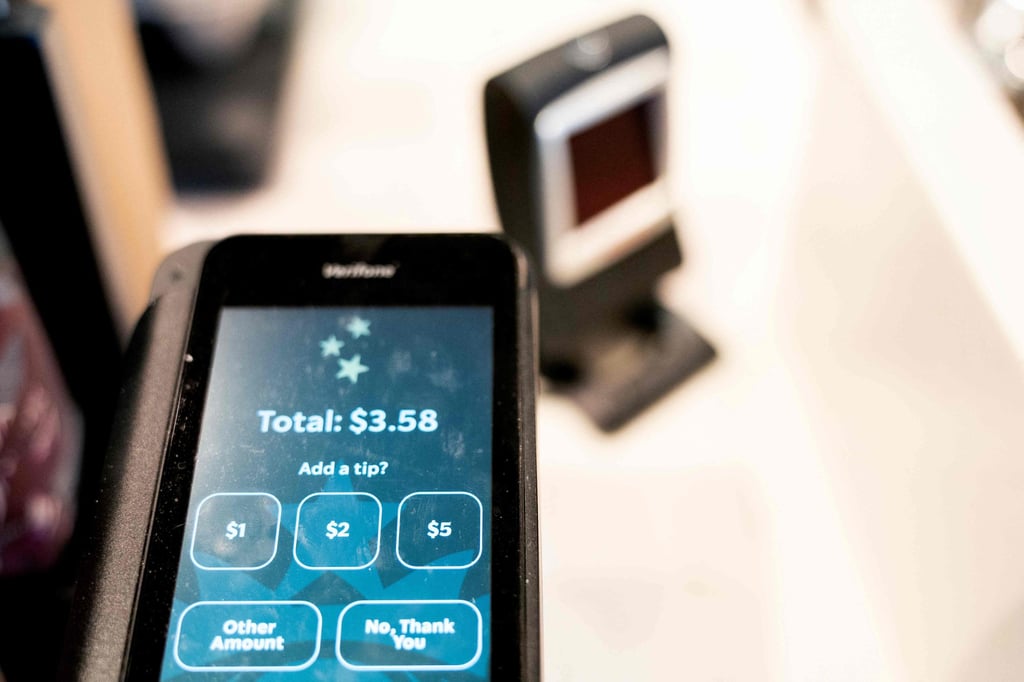
Furthermore, some owners now tack an automatic “wellness surcharge” or “staff fee” onto the bill before taxes and tips, ostensibly to offset rising healthcare or labour overheads. The upshot is that dining out frequently incurs an unadvertised premium of 25 per cent or more.
A 2023 Pew Research survey found that 72 per cent of Americans felt they were solicited for tips far more often than five years ago, and public patience has largely run out. Tipping has evolved from a petty grievance into a political flashpoint, resulting in “tipflation”.
The US Bureau of Labour Statistics compiles the consumer price index (CPI) based on headline menu and retail prices. Because tips and surcharges are classified as discretionary, they slip under the radar of official inflation tracking. As businesses increasingly rely on tips and stealth fees to absorb rising costs instead of raising baseline prices, official CPI metrics understate the true cost of living households experience.
This blow hits lower- and middle-income families hardest. It creates a fragile compensation loop: owners shift wage costs directly onto patrons, leaving workers dependent on customers’ fickle moods to supplement their incomes. Those same workers feel the pinch the moment they step into the role of consumer.
Unlike the export-led manufacturing powerhouse China, the US economy runs primarily on domestic consumer spending. This makes consumer sentiment a vital barometer, and widespread “tip fatigue” is beginning to resemble a quiet consumer revolt.
In macroeconomic terms, tipflation is less an existential crisis than an acute behavioural irritant, yet it exerts a disproportionate psychological drag on ordinary citizens. A WalletHub study found that more than 80 per cent of Americans consider the nation’s tipping culture “out of control”, with three in five arguing that businesses are offloading payroll obligations onto diners.
Meanwhile, a survey by restaurant technology firm Popmenu reinforced the presence of tip fatigue. It found that 78 per cent of respondents said tipping had become “ridiculous” and 40 per cent were actively cutting back on tipping.
This widespread weariness looks poised to show up at the ballot box in the US midterm elections. Across non-partisan polling, living costs and economic anxiety consistently dominate voter priorities, eclipsing virtually every other domestic concern. In an Associated Press-NORC Centre for Public Affairs Research survey released earlier this month, 84 per cent of voters named the cost of living and 85 per cent named the economy as one of the most critical issues determining their vote.
US President Donald Trump defeated then vice-president Kamala Harris in the US presidential election two years ago in part because voters blamed the Democratic Party for rising inflation. Nominal prices in the US have not risen as quickly during Trump’s second term as they did under his predecessor Joe Biden, yet public sentiment is still boiling and many feel that tipflation has distorted the picture.
The backlash is particularly pronounced among younger demographics. A 2025 Bankrate study showed that around 80 per cent of baby boomers and Generation X still complied with tipping customs at sit-down restaurants despite grumbling about tipflation. That figure drops to 61 per cent among millennials and plunges to 43 per cent among Gen Z.
Much of Gen Z’s social media discourse sounds identical to Mr Pink’s famous monologue. In the film, the coldly rational, self-interested Mr Pink is the sole survivor of the group, slipping out the back door with the diamonds. It seems Tarantino was as prescient about American capitalism’s trajectory as he was revolutionary in cinema.
KioskNews shows a cleaned-up reading view extracted from the publisher’s page — the original always lives on their site, not ours.