Tesla owners in South Korea lose legal battle over full self-driving promises
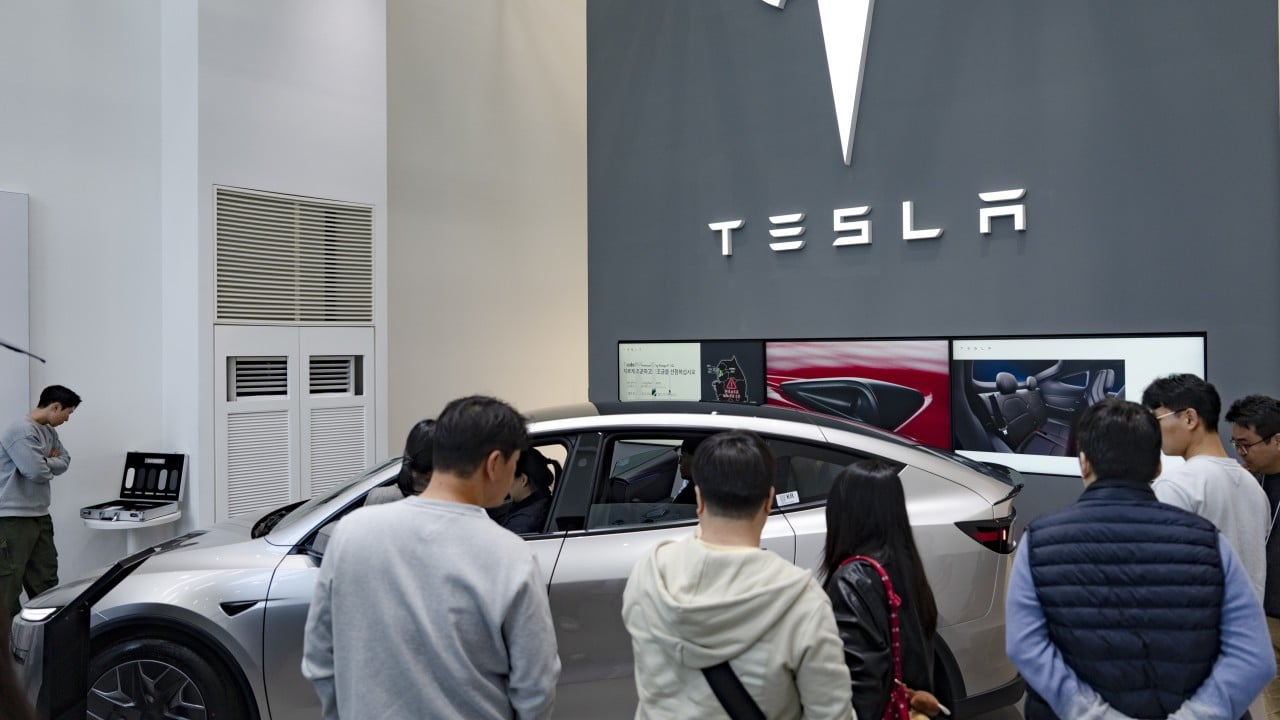
A South Korean court on Thursday rejected a lawsuit by dozens of Tesla owners seeking full refunds for money paid for Full Self-Driving (FSD) driver-assistance software, ruling that the carmaker had not breached its contractual obligations.
The Seoul Central District Court ruled against the 88 plaintiffs, finding that the FSD option did not promise fully autonomous driving without human intervention and that Tesla had already provided some of the functions included in the package.
The court said Tesla’s obligation to deliver additional features depended on technological advances and regulatory approvals, adding that buyers had been aware that some functions could take considerable time to become available.
It also found that Tesla had provided basic Autopilot and Enhanced Autopilot functions, while a recent software update had added traffic light and sign recognition, as well as city-driving capabilities, to older vehicles equipped with Hardware 3 computers.
The ruling comes as the carmaker faces similar legal challenges in other countries over delays in delivering self-driving capabilities long promised by CEO Elon Musk. Tesla did not immediately comment on the decision.
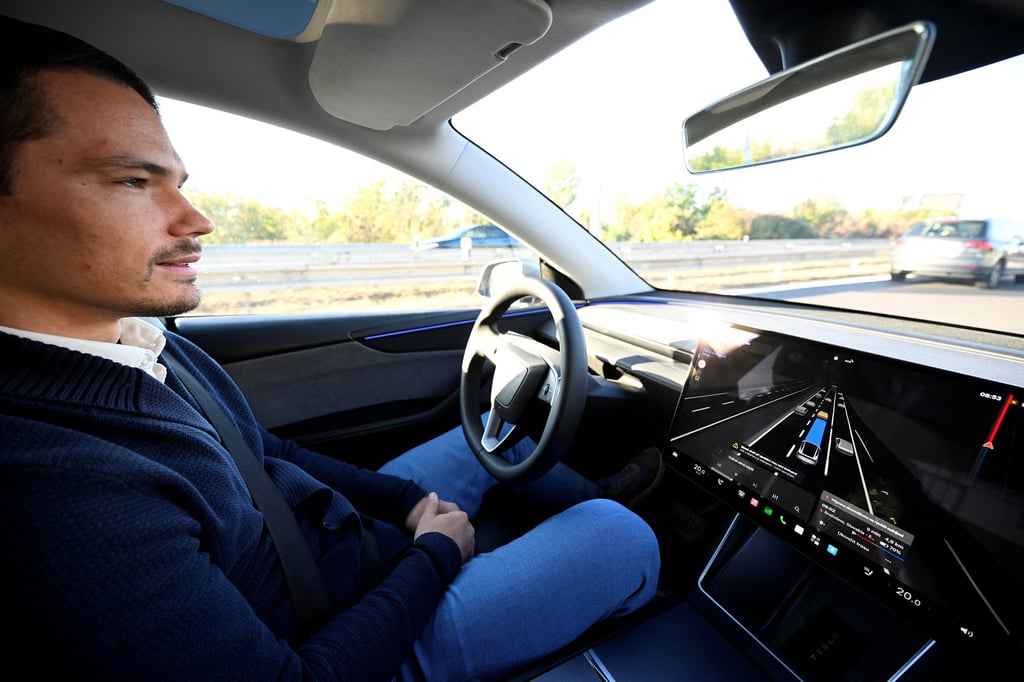
In the lawsuit filed in 2024, the owners said: “Tesla Korea has been unable to implement the FSD system option in South Korea for more than eight years since it began selling it around March 2017.”
The plaintiffs argued that Tesla had failed to deliver the promised technology, but the court rejected their interpretation of FSD as a system capable of fully autonomous driving, known as Level 5 automation. It also ruled that even if there had been delays in delivering some features, Tesla could not be held responsible for delays caused by compliance with domestic and overseas regulations.
In China, 10 Tesla car owners have filed a joint lawsuit demanding refunds for FSD and seeking damages equal to three times the purchase price of the FSD option or the entire vehicle, according to a report.
In the United States, a federal appeal court earlier this month blocked California Tesla owners from pursuing class action claims alleging the carmaker misled buyers about its FSD technology, although the underlying lawsuit remains pending.
Musk has repeatedly predicted that Tesla would achieve fully autonomous driving, but that level of autonomy has not yet been delivered.
KioskNews shows a cleaned-up reading view extracted from the publisher’s page — the original always lives on their site, not ours.