Three out of four Americans say AI firms not doing enough to prevent disaster, Reuters/Ipsos poll finds
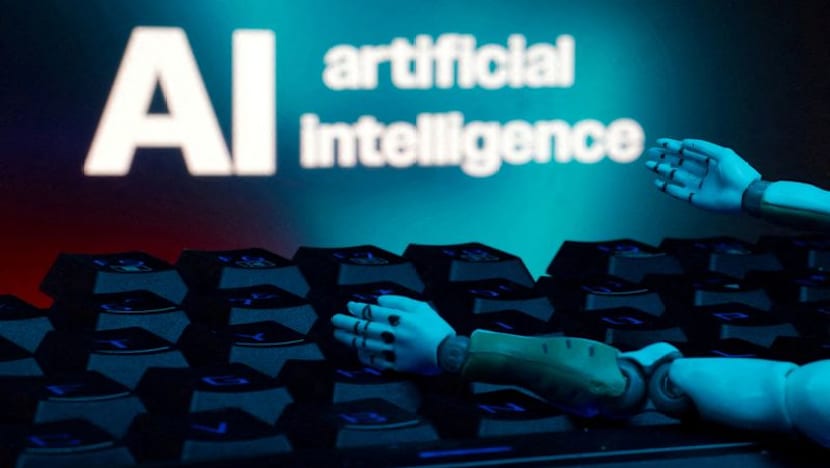
WASHINGTON, Sept 22 : Three-quarters of Americans, some 73 per cent, worry that AI companies haven't gone far enough to prevent AI from causing serious harm to society, as concerns grow about where the technology may lead, according to a new Reuters/Ipsos poll.
The four-day poll, which concluded on Sunday, found that 39 per cent of respondents think that artificial intelligence is having a negative impact on society, up from 36 per cent last month and the highest share since Reuters/Ipsos began asking the question in March. Only 11 per cent said the new technology was a positive thing. The rest weren't sure or didn't answer the question.
The poll found many Americans lacked confidence in AI companies' ability to regulate themselves, with most respondents saying federal officials should play a major role in setting safety standards.
While high-profile leaders ranging from US Senator Bernie Sanders — a progressive independent who caucuses with Democrats — to Steve Bannon — a close ally of President Donald Trump — have called for federal action, little has come so far. Trump himself backs fast development of the technology and the Republican-led House of Representatives is on recess until November, leaving little chance for quick action.
The technology is upending how computer programmers work but it remains to be seen how much disruption it will cause in labor markets. The technology appears to pose significant risks to cybersecurity, with OpenAI revealing over the summer that its AI agents escaped a controlled test and hacked into another company's systems without either company's initial knowledge.
AI RESEARCHERS QUIT OVER FEARS
Earlier this month a researcher at Anthropic, another leading AI company, publicly quit his job over concerns that AI could be on a path to wipe out humanity. Anthropic scientist Evan Hubinger echoed the warning, saying there was a more than 10 per cent chance of such an event within the next decade.
Most Americans — some 69 per cent of respondents — said they had followed the news that major AI companies were calling for a slowdown in AI development as well as greater oversight and safety standards.
Some 55 per cent of people in the Reuters/Ipsos poll said it would be a good thing to slow down AI development, compared with 13 per cent who said it would be a bad thing. The rest weren't sure or didn't answer the question.
Artificial intelligence burst onto the national stage in 2022 when OpenAI launched ChatGPT, a consumer-facing product that could answer user questions much as a human might and offered a new way to search the Internet.
Supporters of the technology say AI has the potential to boost productivity, accelerate scientific discovery and transform industries ranging from healthcare to finance.
Heavy investment in the construction of data centers — vast collections of computers that power the technology — is boosting the economy but also creating enough noise to anger neighbors and put pressure on politicians ahead of the November 3 midterm elections.
Some 73 per cent of respondents in the Reuters/Ipsos poll said it was more important for the US to ensure AI is developed safely and responsibly, compared to 23 per cent who said it was more important for the US to stay ahead of the rest of the world on AI development.
The poll, which was conducted online, gathered responses from 1,277 US adults nationwide. Its results had a margin of error of 3 per centage points in either direction.
KioskNews shows a cleaned-up reading view extracted from the publisher’s page — the original always lives on their site, not ours.