BI calls for sharia finance reform as global competition rises
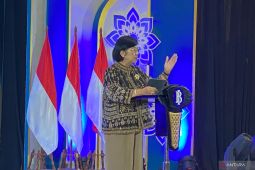
Surabaya, E. Java (ANTARA) - Bank Indonesia (BI) stressed the urgent need to strengthen the country's sharia economy and finance sectors to tap into the vast potential of the global market, particularly amid ongoing challenges in financial development.
Speaking at the opening of the Java Sharia Economic Festival 2026 in Surabaya on Saturday, BI Governor Destry Damayanti revealed that Indonesia has fallen from third to fourth place globally in sharia economic and financial development.
"Indonesia currently ranks fourth globally in the development of the sharia economy and finance. We are greatly aided by the modest fashion sector—which has gone global—and the halal food sector," Destry noted.
She revealed that Indonesia scored 96 in the global index, lagging behind Malaysia, which leads globally with a score of 186.1, followed by the United Arab Emirates with 137.5 and Saudi Arabia with 107.9.
Destry highlighted the financial sector as the primary driver of the decline, cautioning stakeholders against complacency.
"We did not slip because of fashion or halal products, but due to other factors," she said, identifying strict regulations and a limited range of sharia financial products as primary challenges.
She cautioned that non-Muslim-majority ASEAN neighbors, such as the Philippines and Thailand, are aggressively striving to establish themselves as regional sharia financial hubs to attract global investment.
In light of this competition, Destry urged national stakeholders to embrace a universal approach in developing the sector—centered on inclusivity, sustainability, and fairness to broaden its international market reach.
"Let us work together to develop this sharia economy and finance sector with a more universal perspective," she concluded.
Translator: Astrid Faidlatul Habibah, Yashinta Difa
Editor: Aditya Eko Sigit Wicaksono
Copyright © ANTARA 2026
KioskNews shows a cleaned-up reading view extracted from the publisher’s page — the original always lives on their site, not ours.