Vietnam surpasses Indonesia on per-person GDP. Is Thailand next?
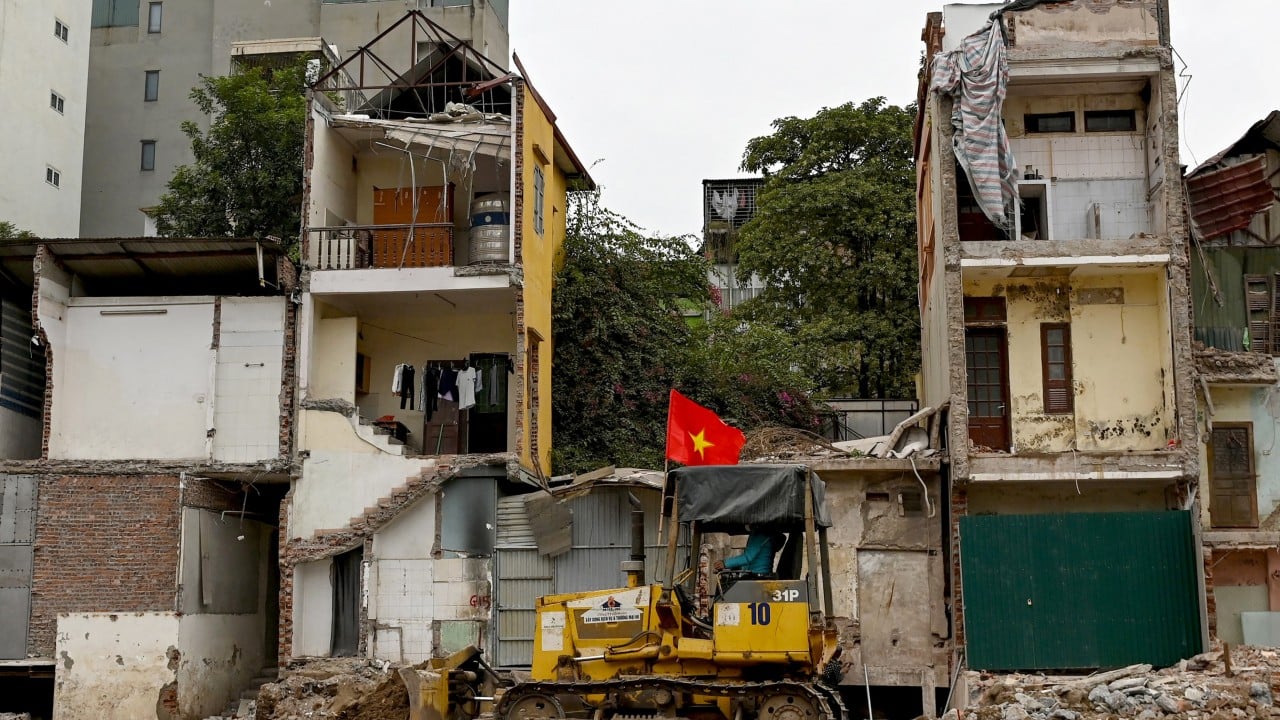
Vietnam’s average economic output per person is set to overtake Indonesia’s, according to the International Monetary Fund.
Gross domestic product per capita, which provides a snapshot of a country’s standard of living, is projected to rise 8.9 per cent to US$5,259 in Vietnam this year – nearly double the figure a decade earlier and overtaking Indonesia’s US$5,153.
This would also rank Vietnam fifth among members of the Association of Southeast Asian Nations, behind Singapore, Brunei, Malaysia and Thailand.
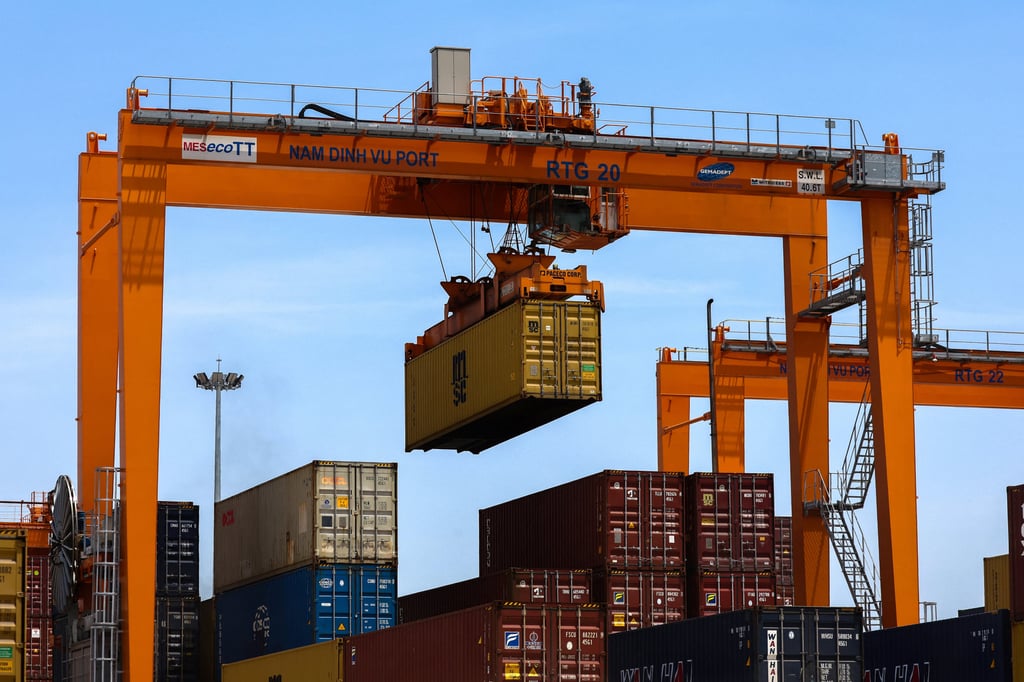
Analysts said Vietnam’s growth was being propelled by its strengths in export manufacturing, foreign investment in electronics and other higher-value industries, as well as a massive and growing public infrastructure push.
“Vietnam is an increasingly important contributor to Southeast Asia’s manufacturing expansion and supply-chain diversification,” said Ha Hoang Hop, chairman of Hanoi-based think tank VietKnow.
He noted, however, that the GDP per capita measure was affected as much by inflation and exchange-rate movements as it was by economic growth, potentially erasing Vietnam’s marginal lead.

“Exchange-rate changes could reverse the nominal-dollar ranking, while lasting convergence requires stronger productivity, skills and technological capabilities,” Ha said.
Vietnam recorded GDP growth of 9.95 per cent in the third quarter compared to the same period last year – its fastest quarterly growth since the Covid-19 pandemic – accelerating from a revised expansion of 8.81 per cent in the second quarter, according to government data released last month.
Strong exports and investments in infrastructure drove growth between July and September, close to the double-digit growth rate sought by Vietnam’s leadership.
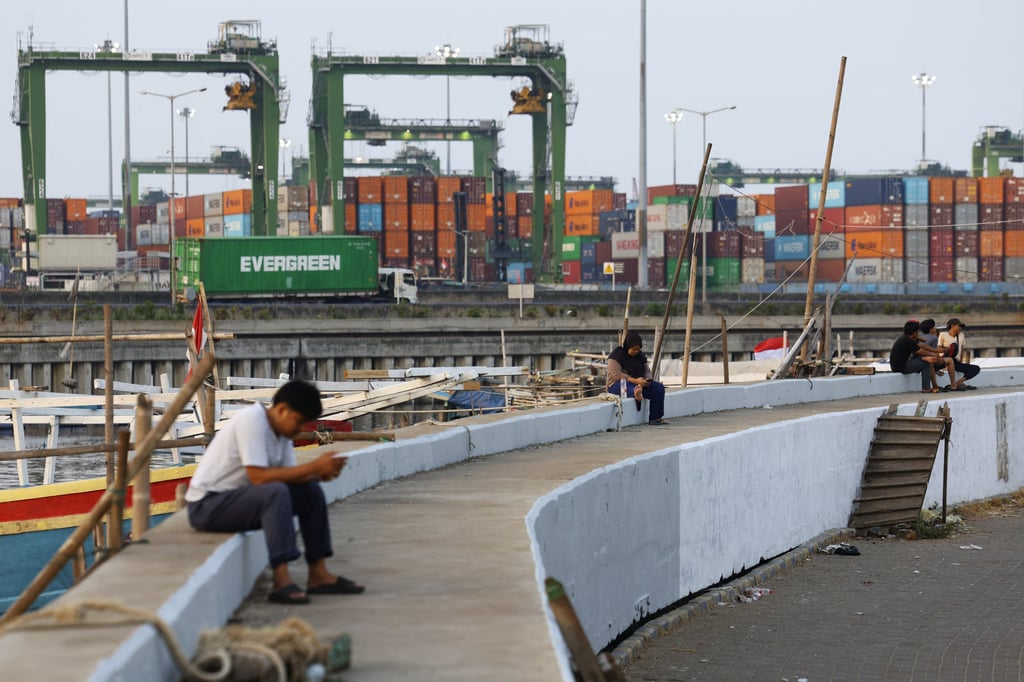
Indonesia’s growth, by contrast, has been hovering around 5 per cent – though it remains Southeast Asia’s largest economy, with a projected GDP this year of US$1.48 trillion compared to Vietnam’s US$542 billion.
Chasing Thailand
Vietnam aims to raise its GDP per capita to about US$8,500 by 2030, roughly in line with Thailand’s level today.
Ha described this as a “medium-term possibility rather than an imminent certainty”.
“The available projections do not justify claiming that Vietnam is bound to surpass another higher-income Southeast Asian economy soon,” he said.
Raymond Mallon, an economic consultant and a former senior economic adviser for Vietnam at the World Bank, shared similar views, adding that Vietnam was still “a good way behind Thailand”.
“If Thailand’s growth stayed at around 2 to 3 per cent and Vietnam is at 8 per cent, it would take until about the mid-2030s to catch up with Thailand,” he said. “But … that’s an unlikely scenario, I would imagine. Thailand’s performance will improve.”

Vietnam did have some manufacturing advantages compared with Thailand, Mallon said, owing to its having a larger share of emerging industries such as electronics and chips, driven by massive foreign direct investment.
Ha said Asean investment figures put Vietnam’s FDI inflows last year at around US$20.4 billion, behind Singapore’s US$150.9 billion and Indonesia’s US$21.4 billion, “illustrating its substantial investment appeal without implying that Vietnam alone is powering regional growth”.
“It [Vietnam] is one of several regional growth engines rather than the dominant driver,” he said.
Mallon underlined Vietnam’s economic success, noting that it had once ranked among “the poorest of all the Asian countries”, but had enjoyed explosive growth since the launch of its open-door policy, known as doi moi, in the 1980s and “now has one of the lowest rates of poverty”.
The export-reliant nation still remains vulnerable to external shocks, however – not least the imposition of trade tariffs by the United States, its largest export market.
Still, Mallon said Vietnam had strong economic foundations, anchored by high literacy rates, solid foundational schooling and an affordable, adaptable workforce.
“Having China slow down [economically] and increase its labour costs was helpful in terms of making it easier for Vietnam to attract other foreign investors,” he said.
Ha said that Vietnam’s expanding manufacturing base and importance to international supply chains had strengthened its bargaining position when it came to trade, infrastructure and technology partnerships, which would naturally translate into greater regional influence.
“As Vietnam becomes more important to regional production networks, it can use that position to negotiate better market access, attract infrastructure financing and technology partnerships, and help shape Asean agenda on supply-chain resilience,” he said.
“This is influence through economic relevance and cooperation, rather than control over its neighbours’ strategic choices, especially since Vietnam itself depends on external markets, imported inputs and foreign technology.”
06:13
Race against time: will an ageing population derail Vietnam’s economic boom?
However, Mallon said it would take time for Vietnam to meaningfully increase its influence in Asean, despite its progress in transforming from one of the region’s most closed economies to one of the leading proponents of free trade and regional economic cooperation alongside Singapore.
The IMF expects Vietnam to sustain its marginal lead over Indonesia into 2027, projecting GDPs per capita of US$5,659 and US$5,550, respectively.
That marks a turnaround from the fund’s April outlook, which had forecast Indonesia remaining ahead in 2026.
“Compared with Indonesia, it’s a small country, it’s still a small economy,” Mallon said of Vietnam.
“Indonesia still dominates in terms of its size and population … [and] in terms of sophistication, of course, Singapore is way up there. Malaysia is also doing very well.”
KioskNews shows a cleaned-up reading view extracted from the publisher’s page — the original always lives on their site, not ours.