After midterm losses, AIPAC appears to have become a liability in many races
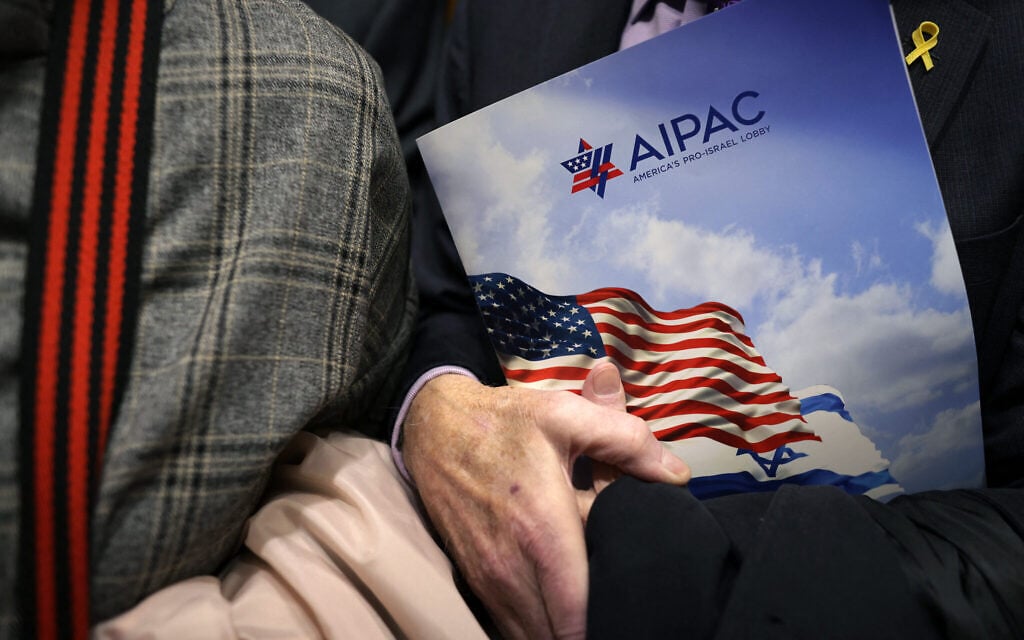
WASHINGTON (AFP) — For years, the pro-Israel lobbying group AIPAC was a US political juggernaut, but deepening voter disillusionment over US-Israeli ties and wins by openly Israel-skeptic candidates in last week’s midterm elections have left it reeling.
Candidates of all stripes long courted the American Israel Public Affairs Committee’s support. But what was once an asset has become a liability in many races, as favorable opinions of Israel plummet over growing outrage at the civilian death toll in Gaza and the costly Iran war.
In the Michigan Senate race, AIPAC’s once irresistible force ran into an immovable object.
0:00 / 0:00
“Promoted: Theatron Hotel and Residences – Luxury Jerusalem Residences with Five-Star Hotel Amenities.

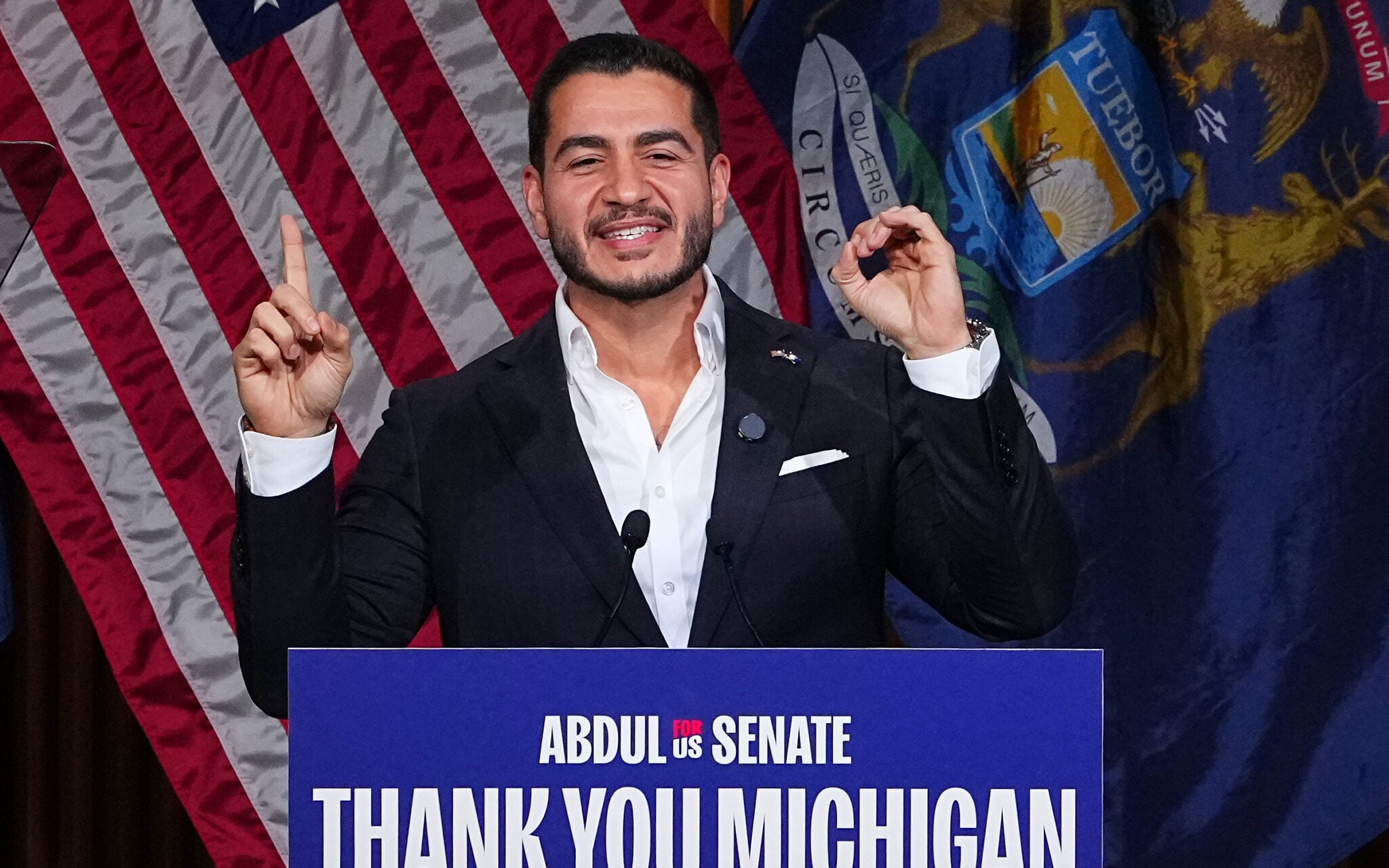
Democrat Abdul El-Sayed — who tapped into anger over US funding for Israel’s military — faced AIPAC-supported candidates in both the primary and general election, but emerged victorious to become the country’s first Muslim senator.
The tens of millions of dollars spent by an AIPAC-affiliated group, the United Democracy Project, not only failed to beat El-Sayed — they helped him boost his own messaging.
Get The Times of Israel's Daily Edition by email and never miss our top stories
By signing up, you agree to the terms
“To AIPAC… Thank you for giving me the opportunity to beat you twice,” the Michigan politician taunted in his victory speech.
The tables flipped so completely that allies of El-Sayed’s Republican opponent, Mike Rogers, reportedly even asked the group to stop spending on him at one point.
“They definitely have become a liability,” Adam Wood, a veteran Democratic campaign strategist with City & State Public Affairs, told AFP, noting several campaigns he worked on in years past had “coveted” AIPAC’s support.
Another Democratic Senate success story, James Talarico, won in Texas with a similar message of ending US funding for Israeli offensive weaponry and keeping distance from AIPAC.
“I’ve never taken money from AIPAC, and I’m not taking money from AIPAC in this campaign,” Talarico said early in his bid.
Officially, AIPAC is nonpartisan.
It has traditionally supported candidates from both the left and the right. According to its website, it only accepts money from Americans and its board is composed exclusively of Americans.
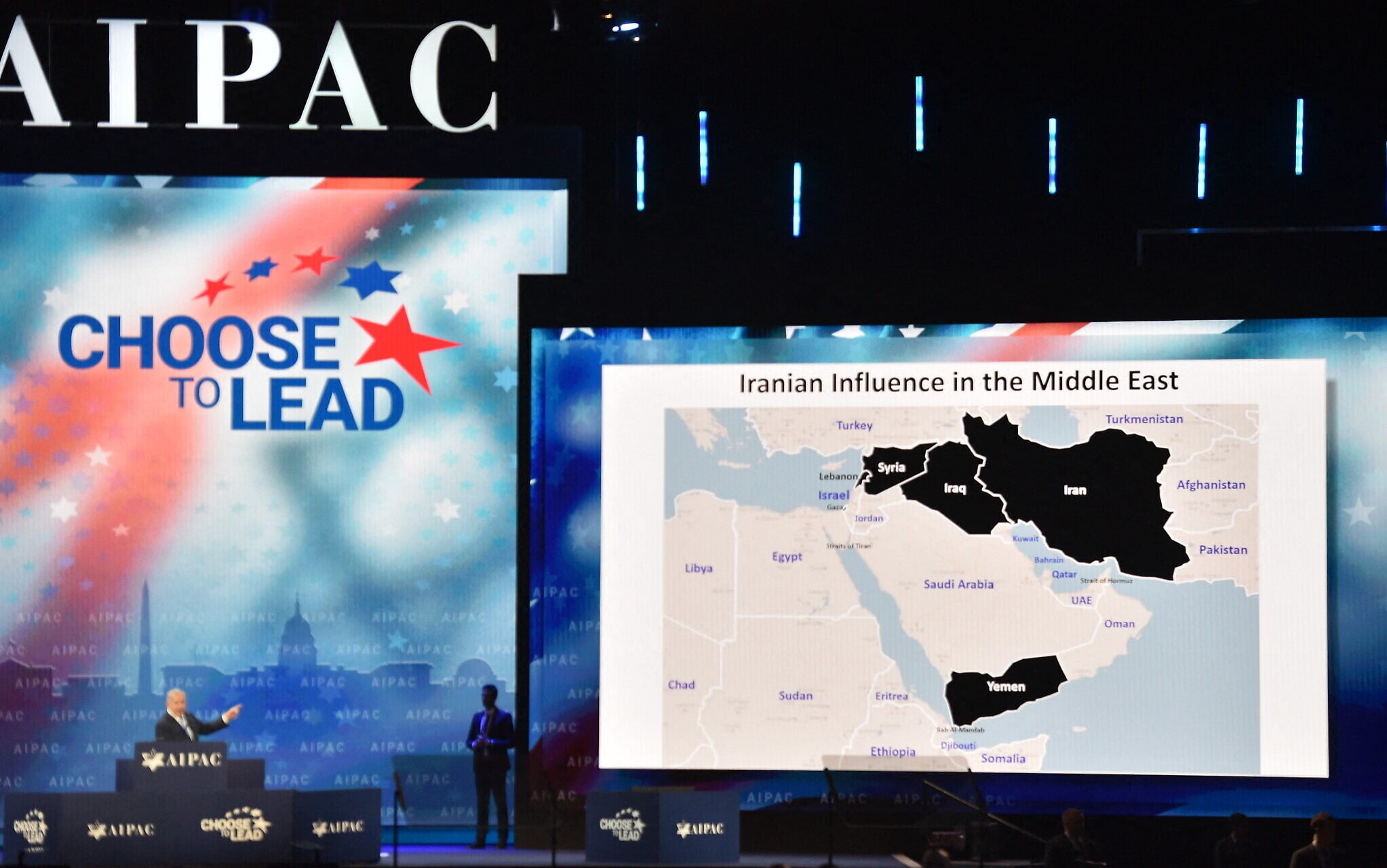
But the group has become a byword in US politics for Washington’s tight ties with Israeli governments, including the outgoing far-right coalition of Benjamin Netanyahu.
The Chicago Council on Global Affairs has asked Americans to rate their favorability of Israel on a scale of 0 to 100 regularly since 1978 and this year marked a record low: an average score of just 44.
That’s down from 58 in 2022, when the previous midterms were held. And for Democrats, the numbers are all the starker: a drop in favorability from 52 in 2022 to just 30 today.
“Democrats started to really tank on Israel,” Dina Smeltz, a former State Department official who is now a managing director at the council, told AFP.
Leftist Democratic star Representative Alexandria Ocasio-Cortez has branded AIPAC as “a right-wing organization that undermines democracy.”
But support also appears to be faltering on the right.
On election day, US President Donald Trump dialed into his favorite morning program, “Fox & Friends,” and made the surprising announcement that the US would be ending a major annual aid package to Israel — something El-Sayed and others on the left have repeatedly demanded.
Vice President JD Vance said he’d been told by a trusted pollster that his party’s road to recovery after the midterms annihilation will require, in part, changing “our relationship to Israel.”

And other right-wing voices, including broadcaster Tucker Carlson and libertarian Representative Thomas Massie, have openly criticized Israel in recent years in ways unimaginable in the 2000s and 2010s.
Pro-Israel lobbyists, of course, are not going to go away. AIPAC already has competition from the left-leaning pro-Israel J Street as well as the recently formed pro-Palestine American Priorities super PAC.
The aftermath of this month’s election in Israel, with the possible political downfall of Netanyahu, could also help AIPAC to find its feet again.
“It has been around for a long time, it has a lot of money,” Smeltz said.
Times of Israel staff contributed to this report.
Your next read: ToI Editors' Picks

LIMITED TIME OFFER: Join The Times of Israel Community today and you'll receive a physical book of your choice, carefully curated by our editors.
Choose between two must-reads: When We See You Again by Rachel Goldberg-Polin, a searing portrait of a mother’s grief and strength following unthinkable tragedy;
Or Out of the Sky: Heroism and Rebirth in Nazi Europe by Matti Friedman, the gripping and surprising tale of a forgotten moment during World War II.
As a Community member, you’ll also enjoy our DocuNation series of outstanding Israeli documentary films, an ad-free experience of our site and podcasts, commenting privileges, and more.
CHOOSE YOUR BOOK CHOOSE YOUR BOOK Already a member? Sign in to stop seeing this
KioskNews shows a cleaned-up reading view extracted from the publisher’s page — the original always lives on their site, not ours.