Chinese-Malaysian woman proud to find grandad honoured in China for secret WWII sacrifice
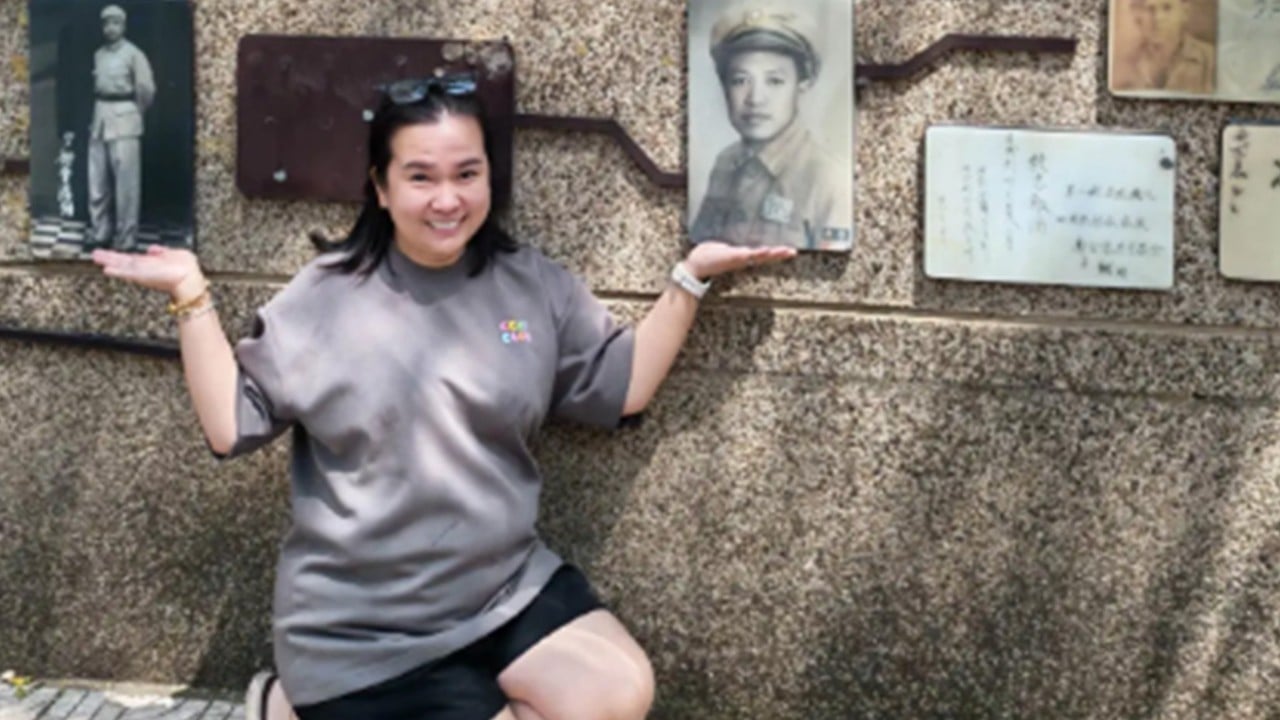
While travelling in Kunming, southwestern China’s Yunnan province, a Chinese-Malaysian woman unexpectedly came across photos of her late grandfather showcased in a public exhibit.
The display celebrated the historical contributions of overseas Chinese machinists who played a vital role in supporting the nation during World War II.
The woman’s Chinese name is Zhang Huiqing, although she uses the handle @Huiching on social media.
In mid-September, she released a video revealing that during her travels in Kunming, she discovered two photos of her grandfather on Xinwen South Road. The clip garnered one million views within just two days, attracting 10,000 comments, as reported by state media Xinhua.
“I was walking down the street while holding a cup of coffee. Suddenly, I felt someone watching me. I crossed the road and found my grandfather’s photos on the wall,” Zhang shared excitedly on social media.
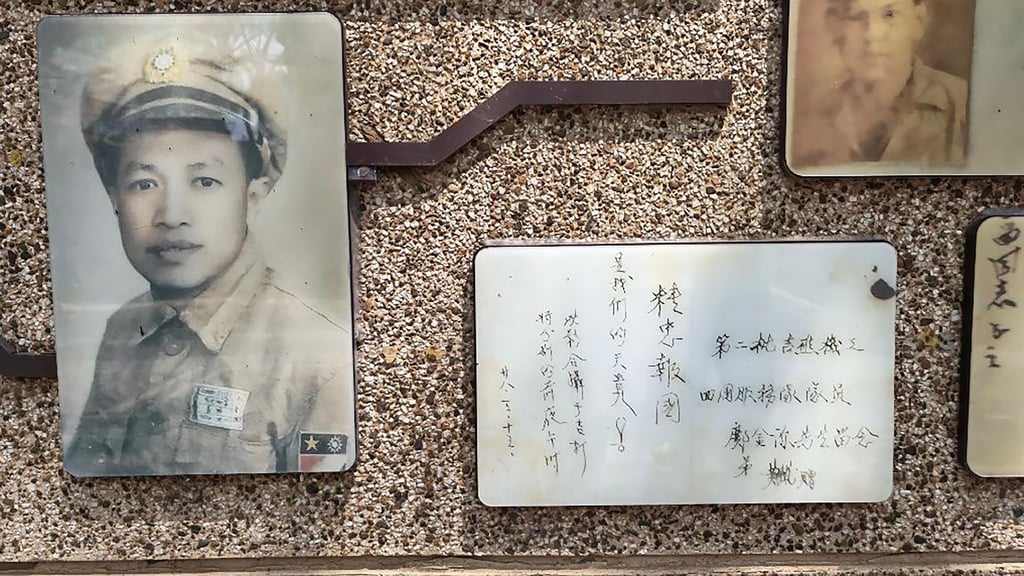
“This is my grandpa,” she said tearfully while pointing to a picture. “This is his name, and these are his words.”
Zhang’s grandfather, Kuang Jinyuan, is among the overseas Chinese machinists honoured on the wall, commemorating their efforts to help China resist the Japanese invasion during WWII.
Kuang was born in 1914 in Alor Setar, northern Malaysia.
As the Sino-Japanese War erupted in the 1930s, all of China’s coastal ports came under Japanese control, and a major road in the northwestern region, along with a railway between Yunnan province and Vietnam, was destroyed.
In 1938, Chinese workers constructed a road connecting Yunnan and Myanmar, which became the sole route for transporting materials into China.
However, China lacked experienced drivers and mechanics. In February 1939, the Overseas Chinese Relief Fund issued a call for young people skilled in driving and vehicle repair to come to China and offer their support.
At the age of 25, Kuang answered the call, travelling to China while keeping his mother unaware.
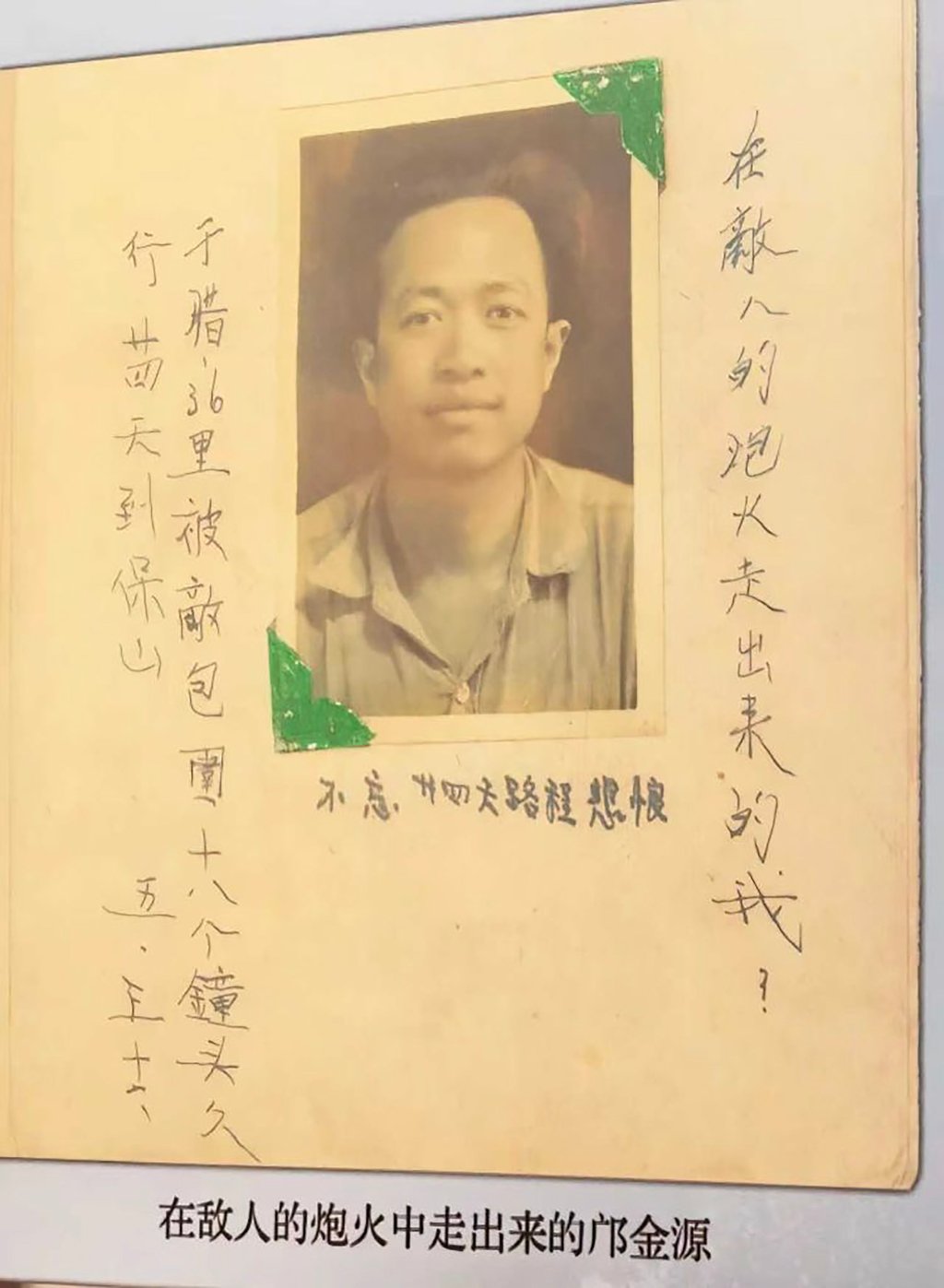
According to his diary, his work in China included repairing trucks on the road, rescuing vehicles that had fallen from cliffs, and collecting military supplies scattered along the route.
In 1942, Kuang endured an 18-hour siege by Japanese soldiers. Ultimately, he broke free from the encirclement and trekked for 24 days to reach Baoshan, Yunnan, during which he lost two comrades-in-arms.
A total of 3,200 overseas Chinese workers dedicated themselves to fighting against Japanese forces in China, with over 1,000 losing their lives.
Kuang returned to Malaysia in 1946 and passed away in 1993 at the age of 76.
“I never expected to encounter my grandfather in this way. I am proud of him. I will cherish this moment forever,” Zhang expressed in her video.
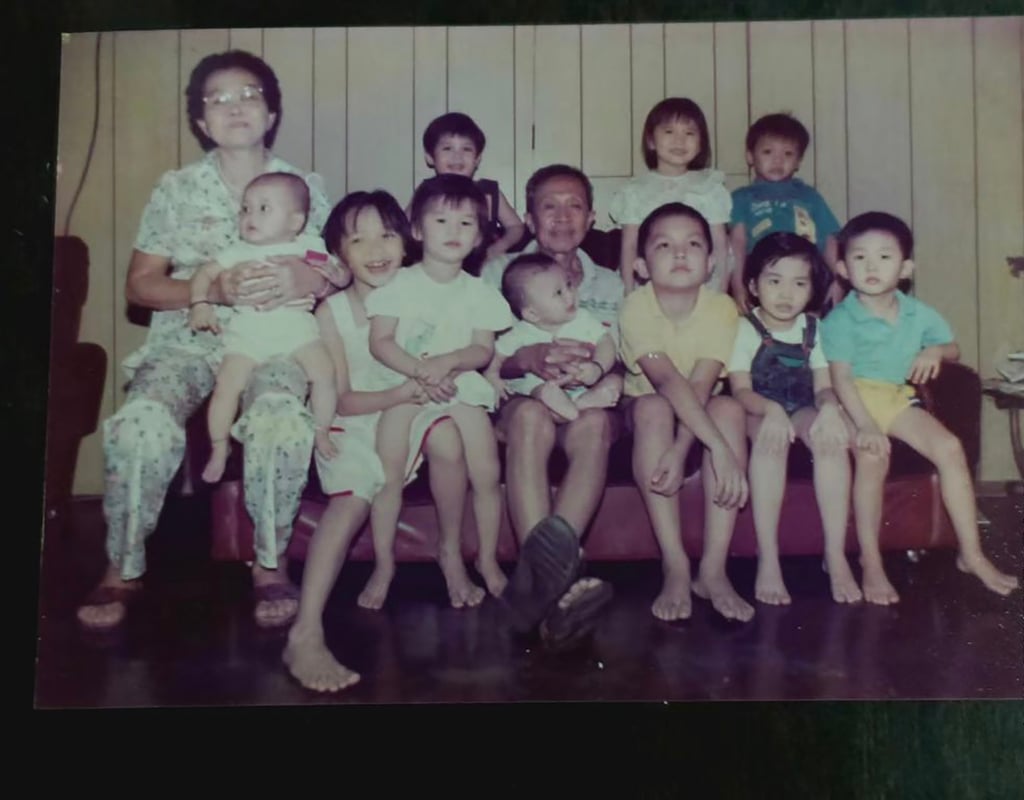
Kuang had never shared these experiences with his family. Zhang noted that they only became aware of this history a decade ago when volunteers from the Overseas Chinese Relief Fund visited her home to collect historical materials.
They uncovered Kuang’s photos, diaries, and work certificates in a trunk containing his relics.
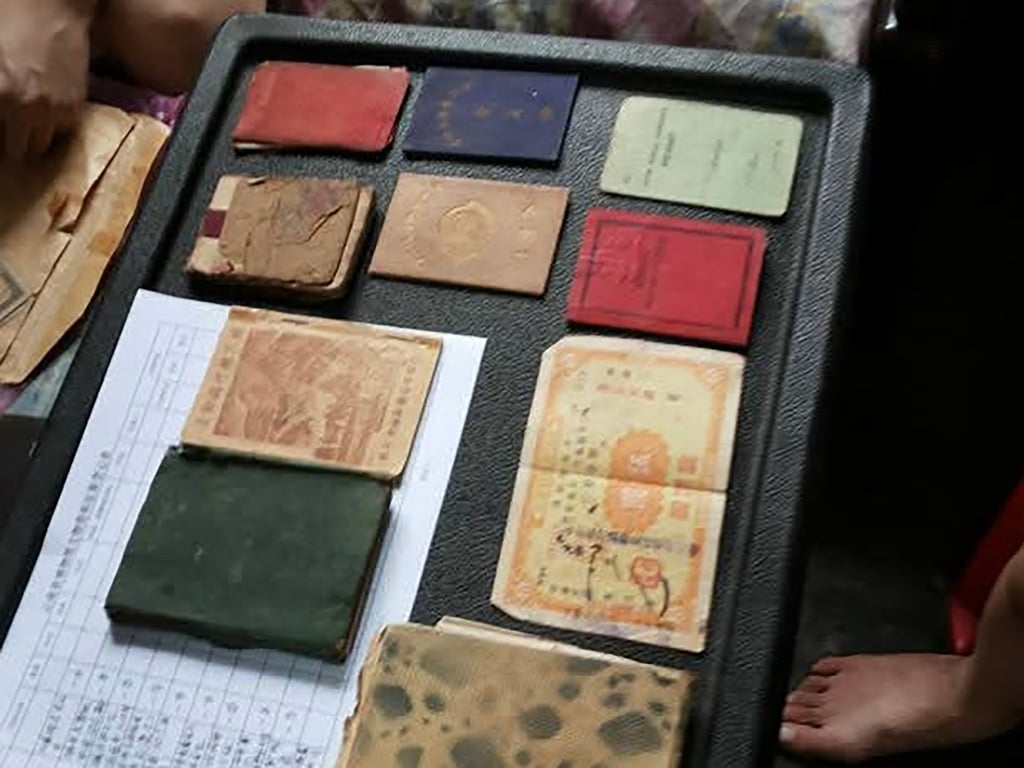
Zhang’s video has elicited a wave of emotions across mainland China.
“Highest salute to those overseas Chinese workers! We will always be grateful to those who helped China,” one internet user remarked.
“Thank you for your grandfather’s selfless devotion. This is your home. Welcome back!” another commented.
Zhang expressed her relief that China still remembers and honours her grandfather.
According to Zhang, Kuang’s parents hailed from Lingbei Village in Taishan, Guangdong province in southern China. A local media outlet, Jiangmen Daily, quickly traced other family members from his clan in the village.
KioskNews shows a cleaned-up reading view extracted from the publisher’s page — the original always lives on their site, not ours.