InquirerDengue hits all villages of Agusan del Sur town; 2 deadDaily MaverickWatch — Voting 101 with Rebecca DavisPunchEkiti varsity gets NUC nod to start six new programmesThe Jerusalem PostNetanyahu meets Ben-Gvir, Smotrich as opposition leaders hold coalition talksEl ComercioElecciones en Israel: los 5 escenarios para formar gobierno tras comicios sin mayoría absolutaInquirer EntertainmentKris Aquino on relationship with Marcoses: ‘They’ve been very respectful’Sky TG24Eugenio Picchiani presenta il singolo Il Tempo: il VideoZDF heuteEntdecken Sie das ZDF-NachrichtenstudioThe South AfricanAre your allergies acting up? See which SA cities have high pollenThe Sydney Morning HeraldAustralia vs South Africa LIVE: Cummins breaks through as tourists handed gift by ProteasWirtualna PolskaAfera ws. zoo w Łącznej. Przyszła pora na rozliczenia? Są zawiadomienia ws. prokuratorów7sur7Une première pour un pape et un affront à Trump: Léon XIV veut voter par correspondance aux États-Unis
The Daily Newsstand · Free, Always
Friday, October 30, 2026

What’s the true worth behind Chinese phrase ‘carrying 10,000 strings of cash around the waist’
Translate

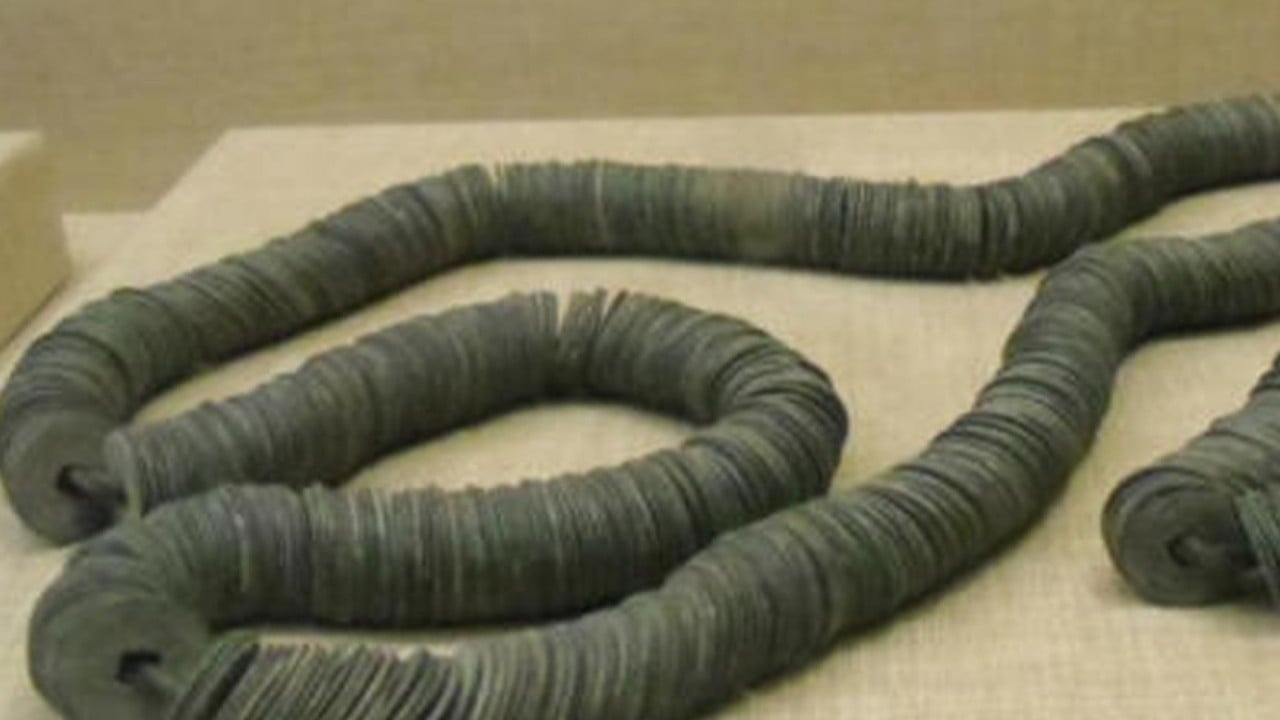
Chinese people use the phrase “yao chan wan guan,” or “carrying ten thousand strings of cash around the waist,” to describe wealth. But how much was a string of cash, and what could one buy in ancient China?

Guan was a traditional Chinese unit of account. Literally referring to the string used to thread coins together, it emerged alongside the round coin with a square hole, which first appeared during the Qin dynasty (221–206 BC).

A guan generally equalled a string of 1,000 individual copper or bronze coins, known as wen.

View the original on South China Morning Post →

KioskNews shows a cleaned-up reading view extracted from the publisher’s page — the original always lives on their site, not ours.