PAF on Batangas mid-air collision: Aircraft capability not based on age
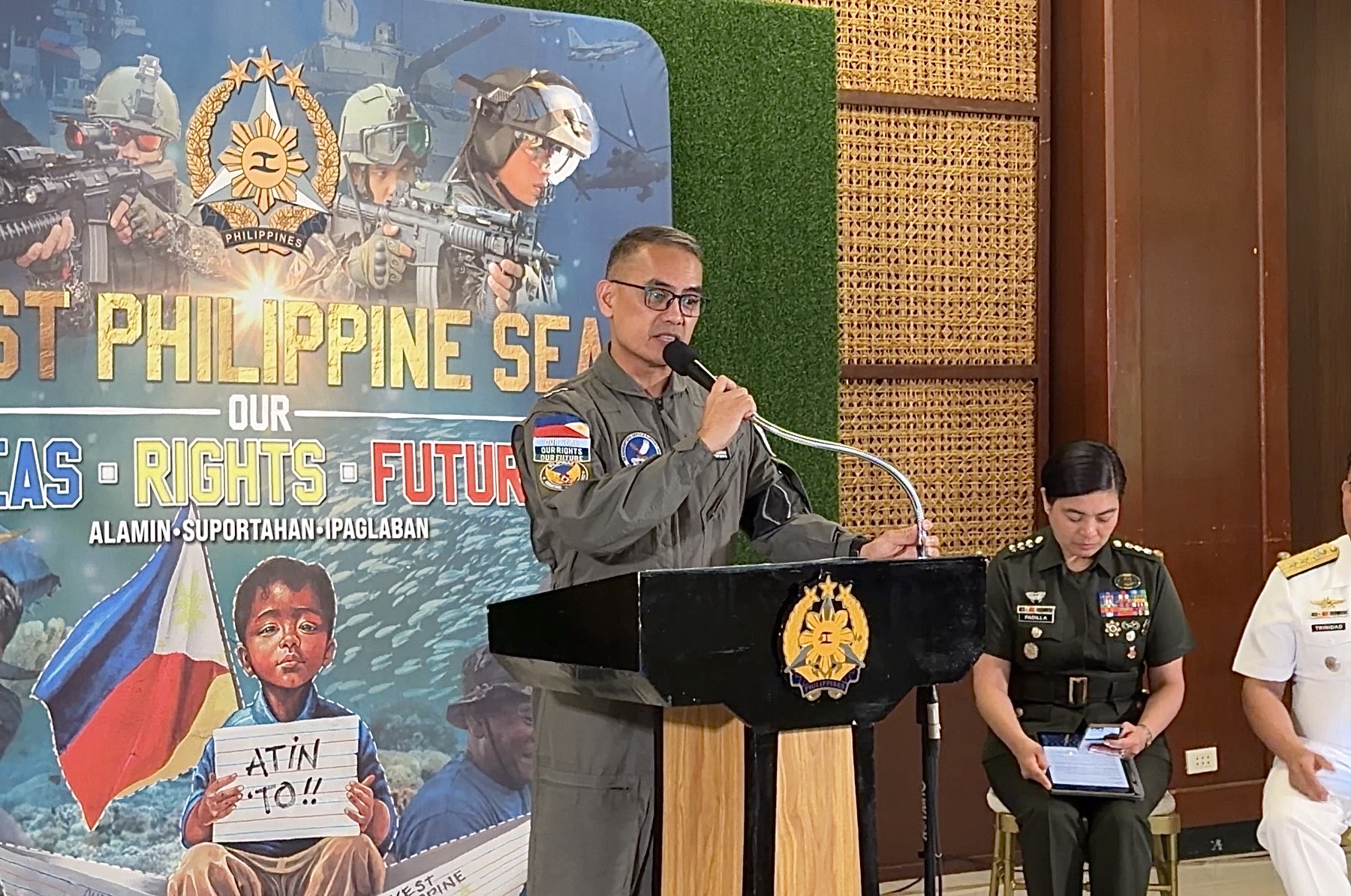

MANILA, Philippines — The Philippine Air Force (PAF) on Tuesday defended the condition of its SF-260 training aircraft following a midair collision in Batangas that killed four pilots, saying the planes remained within their prescribed operating hours despite being more than a decade old.
PAF spokesperson Col. Alvin Jay Capinguian said the aircraft, acquired brand-new between 2010 and 2011, still had several years of service life left.
“In aviation, we’d like to dispel the notion of katandaan (old age),” Capinguian said in a press briefing at Camp Aguinaldo, Quezon City.
Article continues after this advertisement
He explained that an aircraft’s operational capability is assessed based on its accumulated operating hours rather than its chronological age alone.
FEATURED STORIES
NEWSINFO
NEWSINFO
NEWSINFO
“They are well within their airframe operating hours, and they still have several years of operation to go,” he said.
The PAF has grounded its remaining 15 SF-260 aircraft following the collision of two units during a training flight at Fernando Air Base in Lipa City on Friday afternoon.
The accident killed Maj. David Joshua Rojo, 1st Lt. Raymart Cabangcala, 1st Lt. Angeleo Adrian Peñaflor and Capt. Ma. Melvin Acebuque.
The Air Force said it was coordinating and extending assistance for their bereaved families.
Article continues after this advertisement
Capinguian said investigators had secured the crash site and collected debris from the aircraft but declined to disclose preliminary findings to avoid speculation about the cause of the mid-air collision.
He said investigators were examining all possible factors, including environmental conditions, aircraft components, fuel, oil, flight planning and operations.
Article continues after this advertisement
The PAF has yet to determine how long the grounding will remain in effect, with Capinguian saying corrective measures would depend on the investigation’s findings.
He also confirmed that SF-260 aircraft have no ejection seats, although pilots carry parachutes as part of their flight gear.
Pilots must first exit the aircraft before deploying their parachutes, he explained.
Despite the accident, the PAF has no plans of suspending formation flying, which Capinguian described as an essential but inherently dangerous skill for military pilots.
The grounding has not disrupted student pilot training because one class has already completed its flight requirements while another is still undergoing classroom instruction, he said.
The pilots involved in the collision were conducting upgrade training and were no longer students.
The PAF Flying School also operates T-41D aircraft, which may be used for flight lessons while the SF-260 fleet remains grounded.
In a statement on Saturday, the PAF confirmed that four pilots had died after two SF-260 aircraft collided during a training flight at around 3:51 p.m. on Friday.
Both aircraft crashed within the air base’s perimeter, with no other casualties reported.
The Air Force initially confirmed the incident on Friday but did not disclose the fatalities until the following day.
The PAF subsequently ordered the temporary grounding of its SF-260 fleet as a precaution while investigators worked to establish the cause of the collision.
Your subscription could not be saved. Please try again.
Your subscription has been successful.
It also appealed for privacy for the bereaved families. /gsg
KioskNews shows a cleaned-up reading view extracted from the publisher’s page — the original always lives on their site, not ours.