National security must not kill Philippines-China academic ties
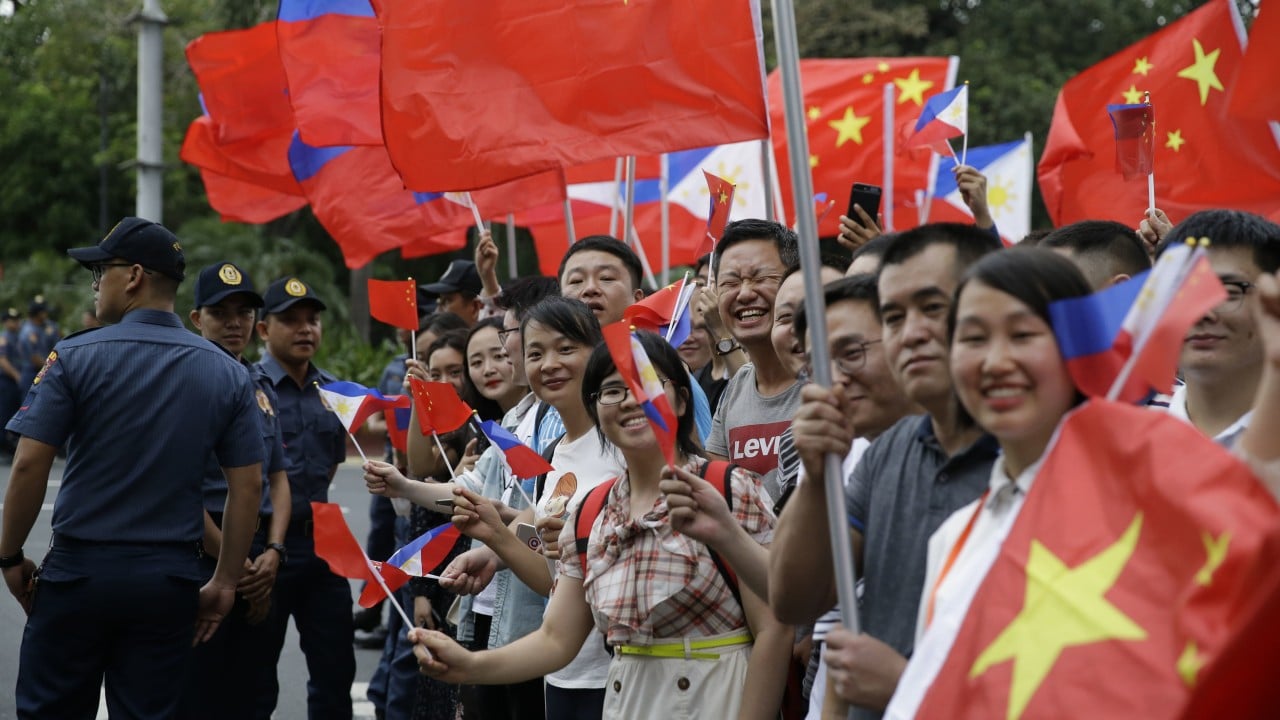
Educational and cultural exchanges have become a new casualty of rising tensions between the Philippines and China. About 150 Chinese teachers have left the Philippines months after Defence Secretary Gilberto Teodoro Jnr renewed warnings that such people-to-people ties could pose security concerns. Families of volunteer instructors have expressed safety concerns.
Beyond disrupting classes and potentially harming tourism in the Philippines, this could further narrow interaction between the two sides, creating more conditions for misunderstanding. At a time when official relations are fraying, putting academic exchanges under increased scrutiny could close one of the few channels to bridge the growing rift between the two neighbours.
The departure of Chinese teachers is the latest in a string of setbacks in bilateral ties. In May, authorities raided a steel plant in Misamis Oriental, Mindanao and arrested 70 Chinese citizens who were accused of being undocumented workers. All 70 were later released after the Department of Justice ruled there was insufficient evidence to prove allegations of having violated local regulations. Beijing sanctioned Teodoro and his family the next month.
In July, Chinese and Philippine vessels clashed at the Second Thomas Shoal as Manila hosted the Association of Southeast Asian Nations (Asean) foreign ministers’ meeting. In August, more than 100 Filipinos were arrested in China and accused of violating immigration laws. Manila said a Chinese coastguard vessel rammed a Philippine government ship off the coast of Palawan province last month. Earlier this month, the Philippine coastguard sent one of its largest vessels and an aircraft to drive the Chinese research ship Jia Hai Ke 7 from waters around the Batanes Islands.
KioskNews shows a cleaned-up reading view extracted from the publisher’s page — the original always lives on their site, not ours.