Great battles return between Mossad, IDF over Iran, sources tell 'Post'
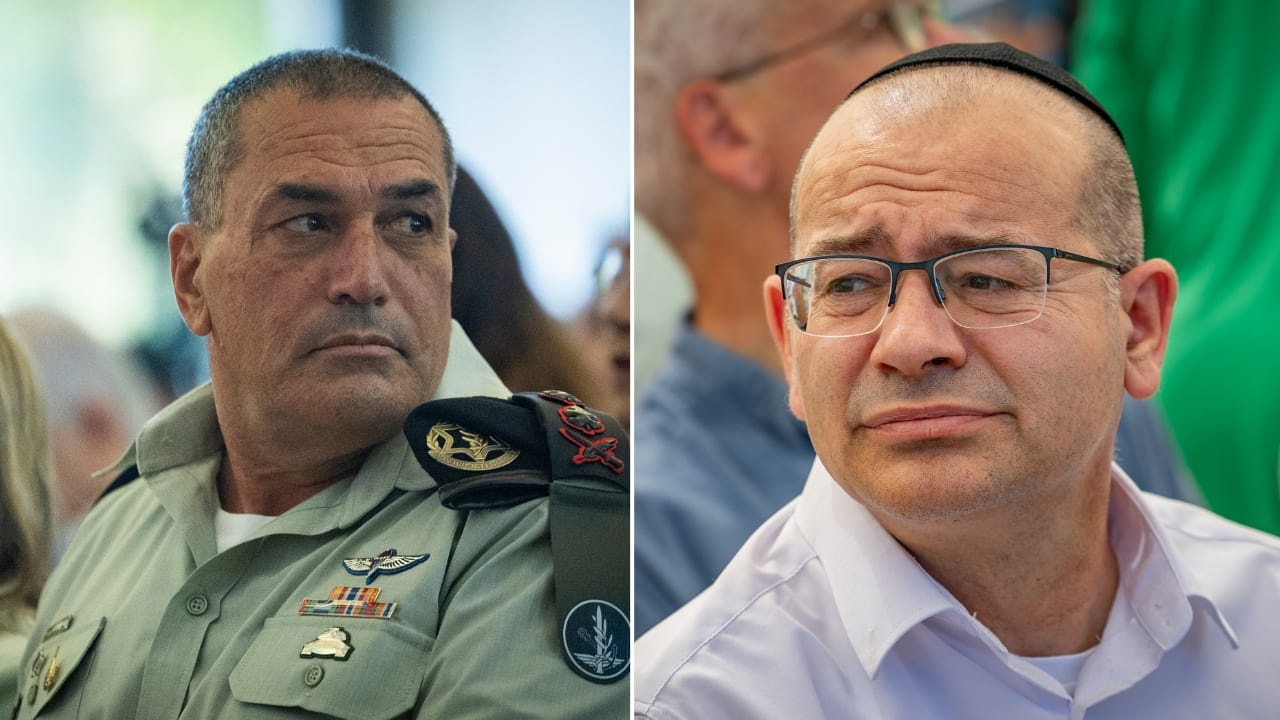
Significant policy differences between the Mossad and the IDF over Iran have once again become the norm after the Israeli defense establishment experienced greater unanimity on the issue from 2023 to 2025, sources told The Jerusalem Post.
The latest battle was regarding how aggressive to be about pushing for a joint US-Israel operation against Iran before Israeli elections, with Mossad Director Roman Gofman being in favor, backing Prime Minister Benjamin Netanyahu, and IDF Chief of Staff Lt.-Gen. Eyal Zamir opposing.
Despite that conflict, sources close to the Mossad have told the Post that Channel 12 reports that Gofman supported an operation in the recent period were false.
Rather, they say that the lines of debate tend to be that Gofman is most concerned about utilizing a joint offensive opportunity with the US against Iran before that window closes, while Zamir has been more concerned that an attack during this sensitive election season moment could harm the legitimacy of any operation, and also be abused by Netanyahu against his rivals.
These debates are not black and white, and there are circumstances where Zamir would favor an attack on Iran and where Gofman might oppose one, but these are the general lines of debate.

Both IDF, Mossad favored striking Iran in 2025, 2026 operations
In June 2025 and in early 2026, both the IDF and the Mossad were in favor of striking Iran with major operations.
There were some debates about who would take the lead on certain matters in June 2025, but eventually both sides came to an understanding.
In 2023-2024, both the IDF and the Mossad favored taking more time to fully prepare to take out a wide range of Iranian targets before initiating a major strike.
The sides started to differ regarding the goals of the early 2026 operation.
Then Mossad director David Barnea was all in to try to push for regime change with a number of practical plans, including the Kurds and, according to foreign sources, former Iranian president Mahmoud Ahmadinejad, with the IDF opposing and/or being lukewarm on these plans.
Generally, the IDF has been more doubtful that regime change is achievable in the short or medium term, while the Mossad, whether under Barnea or Gofman, has been more optimistic.
Mossad, IDF debated return to JCPOA in 2022
In June 2022, both the Mossad and the IDF debated whether returning to the 2015 JCPOA was a wise strategy.
In 2018, the Mossad favored convincing the US to pull out of the JCPOA, while the IDF favored staying within the deal, at least until close to 2024, when some of its limits, which Iran was then observing, would expire.
From 2010 to 2012, the Mossad and the IDF united against Netanyahu and then defense minister Ehud Barak's possible plans to attack Iran's nuclear program.
They said that such an attack would prematurely draw the region into danger and chaos long before Iran was actually near a nuclear weapon.
Netanyahu and Barak warned that, absent an attack, nuclear items would be moved to the underground Iran Fordow nuclear facility, which would make it impossible for Israel to strike without help from the US, which was believed to be doubtful at the time.
KioskNews shows a cleaned-up reading view extracted from the publisher’s page — the original always lives on their site, not ours.