What does the Million Mask March mean for the Philippines?

Already have Rappler+?
to listen to groundbreaking journalism.
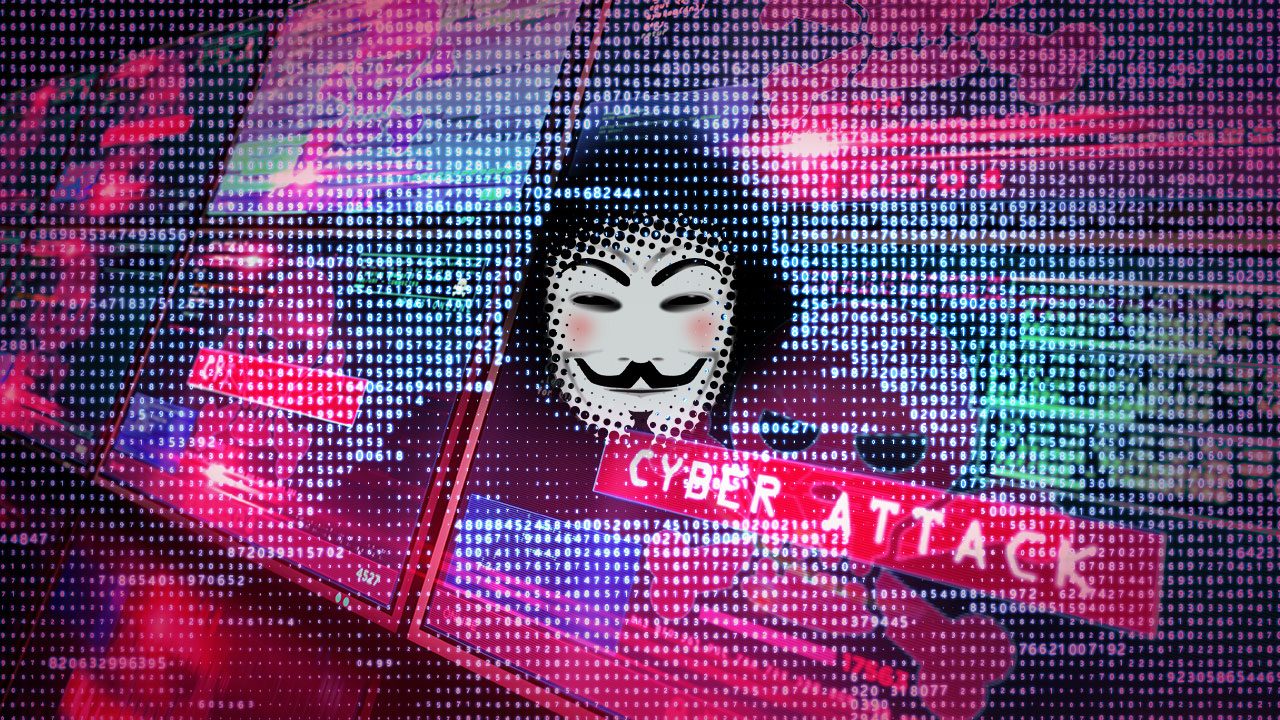
Guy Fawkes mask image from Fauve/Wikimedia Commons
Hacktivist activity related to the Million Mask March of a given year tends to fluctuate depending on issues brought up or simmering in the interim
AT A GLANCE
- The Million Mask March, a global protest event held on November 5, originated from the hacking collective Anonymous and is associated with themes of political dissent and activism.
- Past events, particularly in 2013, saw significant online defacements of Philippine government websites as a precursor to the protests, highlighting issues like political corruption and police violence.
- The upcoming 2026 Million Mask March may be influenced by recent controversies within the Philippine Department of Information and Communications Technology, potentially leading to renewed protest actions.
This is AI-generated. Read the article for full context. Report any errors.
MANILA, Philippines – If you see a defaced Philippine government website this early in November, it could be a one-off event, but it also may be a single defacement of many, owing to a movement called the Million Mask March.
The Million Mask March is a worldwide day of protest held on November 5 and is also colloquially known as “Operation Vendetta,” after the movie and British graphic novel V for Vendetta, wherein the main character of the story wears a Guy Fawkes mask.
Originally set up by hacking collective Anonymous, the Million Mask March began in 2012 with the largest events occurring outside the Philippines, such as in London in the United Kingdom and Washington DC in the United States.
The event is usually preceded by hacking activities or online defacements of websites to drum up interest and sentiment in conducting a Million Mask March in a given locality. These defacements and hacks decry a number of issues, such as political corruption, police violence and militarization.
This was most strongly felt in the early iterations of the protest, especially in the Philippines’ 2013 Million Mask March, which saw more than 30 Philippine government websites crashed or defaced.
A video from Anonymous on the affected sites back then apologized for the disruption but called on citizens to join the November 5 protest action. In response, police at the time also took steps to maintain public safety, but also invited protesters in for questioning.
An impactful Million Mask March for 2026?
Activity related to Million Mask March tends to fluctuate depending on the time frame of issues brought up.
While the 2025 Million Mask March was apparently less pronounced and did not receive as much media coverage save for notices in online hacking communities, there’s no telling what might spur on a 2026 protest action.
The Department of Information and Communications Technology (DICT) could possibly be in for a long few days of work though, seeing as there is a new DICT secretary, former Social Security System chief Robert Joseph de Claro,.
There also seeming loss of trust in the institution owing to the actions — and resignation — of the previous DICT secretary, Henry Aguda, as regards the temporary banning of Discord and the threat to ban other services that may be responsible for the spread of nihilistic violent extremism.
There’s also the preventive suspension of DICT eGov Undersecretary David Almirol over alleged conflicts of interest in the eGov app and the system’s development, which may bring an opportunity for bad actors or hacker-activists to take advantage of the situation.
Unfortunately, there’s no telling what could spark strong protest actions on November 5 in the Philippines, and it’s just as difficult to determine if an informal Million Mask March is coming this year.
Perhaps it’s better to remember the fifth of November as a day when plans to bring injustices to the forefront of public consciousness comes to a head.
Though in this country, that may as well be any given weekday. – Rappler.com
KioskNews shows a cleaned-up reading view extracted from the publisher’s page — the original always lives on their site, not ours.