'Public-private synergy' key in energy transition
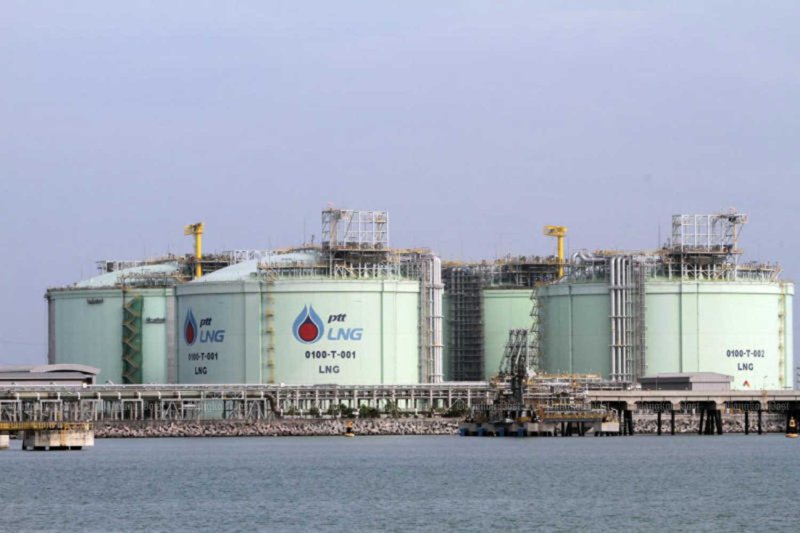
Thailand is seeking to strengthen its energy security by diversifying energy sources, expanding renewable energy development and promoting public-private cooperation, amid concerns over its dependence on imported liquefied natural gas (LNG) and exposure to global supply disruptions.
The approach aims to balance reliable and affordable energy supplies with the country's climate commitments, including its goal of achieving net-zero greenhouse gas emissions by 2050.
Darika Sarunyagate, an adviser to Natural Resources and Environment Minister Suchart Chomklin, outlined the challenges during an exclusive interview at Singapore International Energy Week with the Bangkok Post on Oct 27.
Ms Darika, who represented Thailand at the Singapore-International Energy Agency (IEA) Forum, said the country's reliance on imported LNG and pipeline natural gas from Myanmar left its energy supplies vulnerable to geopolitical tensions and other disruptions.
She emphasised the importance of cooperation between the public and private sectors in strengthening energy security while supporting the transition to cleaner energy.
Thailand's climate commitments under the Paris Agreement include its third Nationally Determined Contribution, targeting a 47% reduction in net greenhouse gas emissions from 2019 levels by 2035, conditional on international support.
Ms Darika said these commitments would inform the Energy Ministry's preparation of the Power Development Plan 2026, which remains under development.
The plan is intended to support Thailand's long-term emissions targets while promoting cleaner electricity generation, reducing reliance on imported fossil fuels and keeping electricity affordable.
Thailand is also pursuing alternative energy sources and technologies, including solar and wind power, energy storage systems and modernisation of electricity grids.
Although LNG remains important to meeting the country's energy requirements, Ms Darika said Thailand was seeking greater flexibility in gas procurement while expanding renewable energy development.
"For Thailand, LNG can support the energy transition, but it has not delayed the transition to cleaner energy," she told the forum.
Public-private cooperation also extends to carbon capture and storage technology, with the ministry working alongside PTT and PTT Exploration and Production (PTTEP) on research and development.
One project under development at the Arthit gas field in the Gulf of Thailand is designed to capture and store up to 1 million tonnes of carbon dioxide annually. PTTEP expects carbon storage operations to begin in 2028.
Another initiative is planned for an industrial area in Rayong, where Ms Darika said field inspections were scheduled for the fourth quarter of this year.
On international cooperation, she highlighted US$2.4 million (80.94 million baht) in World Bank grant funding for two climate-related initiatives, announced earlier this month.
Ms Darika also expressed interest in expanding bilateral energy cooperation, citing agreements involving Singapore's Energy Market Authority (EMA) and counterparts in New Zealand and France announced during the event.
Thailand intends to pursue similar partnerships with other countries, she said.
The wider challenges facing Asian energy markets were discussed at the Singapore-IEA Forum, jointly organised by the EMA and IEA, where policymakers and industry executives examined growing electricity demand, declining domestic gas production and supply security.
Izumi Kai, chief executive of JERA Asia, said declining domestic gas production in several Asian countries was increasing the importance of LNG imports.
He stressed the need for greater flexibility in gas procurement and power infrastructure while making more efficient use of renewable energy.
JERA's activities include equipment procurement, investment and the development and operation of power infrastructure to meet growing demand affordably while supporting cleaner energy production.
Tamura Hideyasu, deputy commissioner for international affairs at Japan's Agency for Natural Resources and Energy, under the Ministry of Economy, Trade and Industry, advocated diversifying natural gas supplies.
He said Japan had held discussions with countries in Africa and South America, including Argentina, about opportunities to secure stable and affordable gas supplies.
Alan Heng, chief executive of Singapore GasCo, said long-term LNG contracts combined with a mix of purchasing arrangements could help manage price volatility and maintain supply reliability.
He stressed that countries needed to identify energy solutions suited to their circumstances as demand continued to grow.
Steve Kim, OCBC Bank's head of structured and project finance, highlighted the importance of financing arrangements that would allow gas-fired power plants to operate flexibly.
He proposed paying power plants to maintain generation capacity even when they were not producing electricity.
Closer alignment between gas supply contracts and electricity sales agreements could also improve the financial viability of energy projects, he said.
KioskNews shows a cleaned-up reading view extracted from the publisher’s page — the original always lives on their site, not ours.