Syria fears imminent Israeli-backed Druze offensive in Sweida, official tells 'Post'
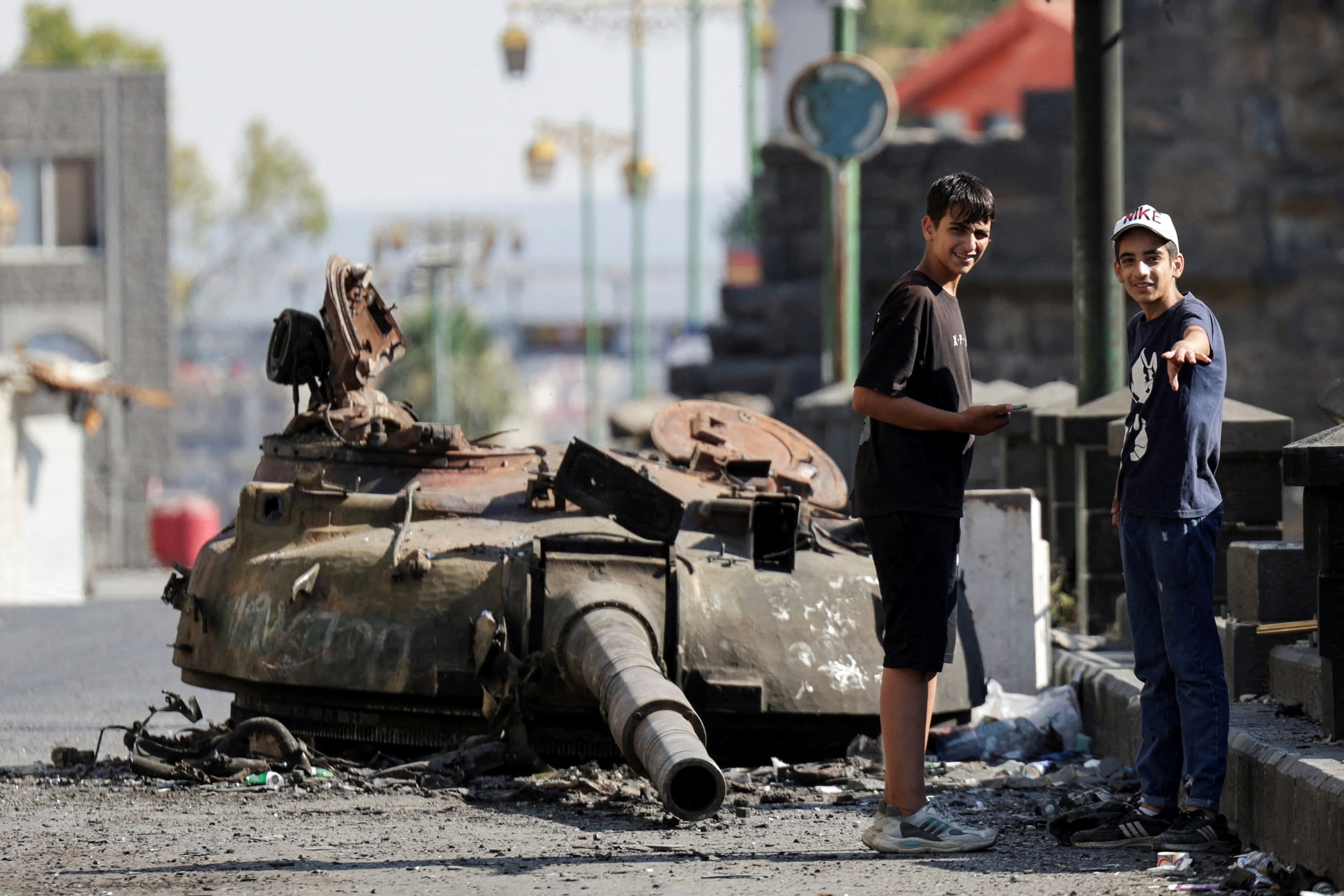
Damascus is increasingly concerned about a potential Druze offensive in Sweida, claiming Israel is encouraging armed groups and providing military support, a senior Syrian official told the Post.

The Syrian government fears that Druze armed groups in the southern province of Sweida could launch an offensive against Syrian government forces in the coming days, with Israel encouraging and supporting the operation, a senior Syrian government official told The Jerusalem Post on Monday.
The official’s remarks come amid ongoing tensions over the future of Sweida, a predominantly Druze province that has become one of the most sensitive security challenges facing the government of Syrian President Ahmed al-Sharaa.
Information emerging from Sweida suggests that armed groups may be preparing for an operation against Syrian government forces, the official said, adding that the buildup of armed groups along lines of friction has raised concerns in Damascus about a renewed outbreak of fighting in southern Syria.
The official added that Druze figures in the province have recently stated publicly that an operation to retake Druze villages could be launched soon.
Syrian officials believe that any operation by Druze forces, if carried out, would have Israeli backing and encouragement.

According to the senior official, Israeli aerial reconnaissance over Sweida and surrounding areas has intensified, along with more reconnaissance flights over Damascus and southern Syria. The official also claimed that an Israeli helicopter had landed in Sweida and delivered significant quantities of weapons and ammunition.
Damascus has been seeking to reassert its authority across the country since the fall of Bashar al-Assad’s regime in December 2024. The Syrian government assesses that the combination of militia movements, reported preparations for an offensive, and increased Israeli military activity could create the conditions for a new round of fighting.
Since Assad’s fall, Israel has repeatedly emphasized its security concerns over developments in southern Syria and has sought to prevent hostile forces from establishing a presence near its border, including within the buffer zone established in 1974 following the Yom Kippur War.
Damascus, by contrast, views Israeli military operations and the continued presence of Israeli forces on Syrian territory as violations of its sovereignty.
Tensions in Sweida escalated in 2025
Tensions surrounding Sweida began escalating last year. On July 13, 2025, clashes erupted in southern Syria between the Syrian army and Bedouin forces on one side and Druze forces in Sweida province on the other. The Druze groups were organized under the Sweida Military Council.
On July 15, 2025, the Syrian army took control of Sweida, prompting Druze in Israel to call on Prime Minister Benjamin Netanyahu to intervene and secure the withdrawal of Syrian forces from the province. Israel subsequently launched a wave of strikes against military targets in Syria, including the Syrian General Staff headquarters in Damascus.
A ceasefire was reached through US mediation. Under the arrangement, the Syrian army withdrew its forces from Sweida, while the Israel Air Force and the Sweida Military Council halted their attacks against the Syrian army.
Netanyahu recently revealed that during the crisis, he spoke with Sharaa and warned him that if the massacre of Druze civilians did not stop, Israel would intensify its strikes against the Syrian regime.
“It was a very short, very sharp conversation, and the massacre stopped,” Netanyahu said.
A source close to the Syrian regime told the Post that Netanyahu’s decision to disclose the conversation was intended to undermine Sharaa’s control over Syria.
“Israel wants a weak Sharaa so that it can do whatever it wants in Syria,” the source said.
Israel-Syria security talks occur periodically since Sharaa's rise to power
Since Sharaa came to power, Israel and Syria have held several rounds of talks aimed at reaching a security arrangement between the two countries and advancing normalization.
The most recent publicly known meeting took place in August between Mossad Director Roman Gofman and Syrian Foreign Minister Asaad Hassan al-Shaibani.
The talks were intended to ease tensions between the two countries following an Israeli strike on a Syrian military airfield shortly before Turkish forces and military equipment were expected to arrive there.
A US official told the Post that talks between Israel and Syria are not expected to resume before Israel’s elections next week.
KioskNews shows a cleaned-up reading view extracted from the publisher’s page — the original always lives on their site, not ours.