Record heatwaves bring butterfly boom, new data shows
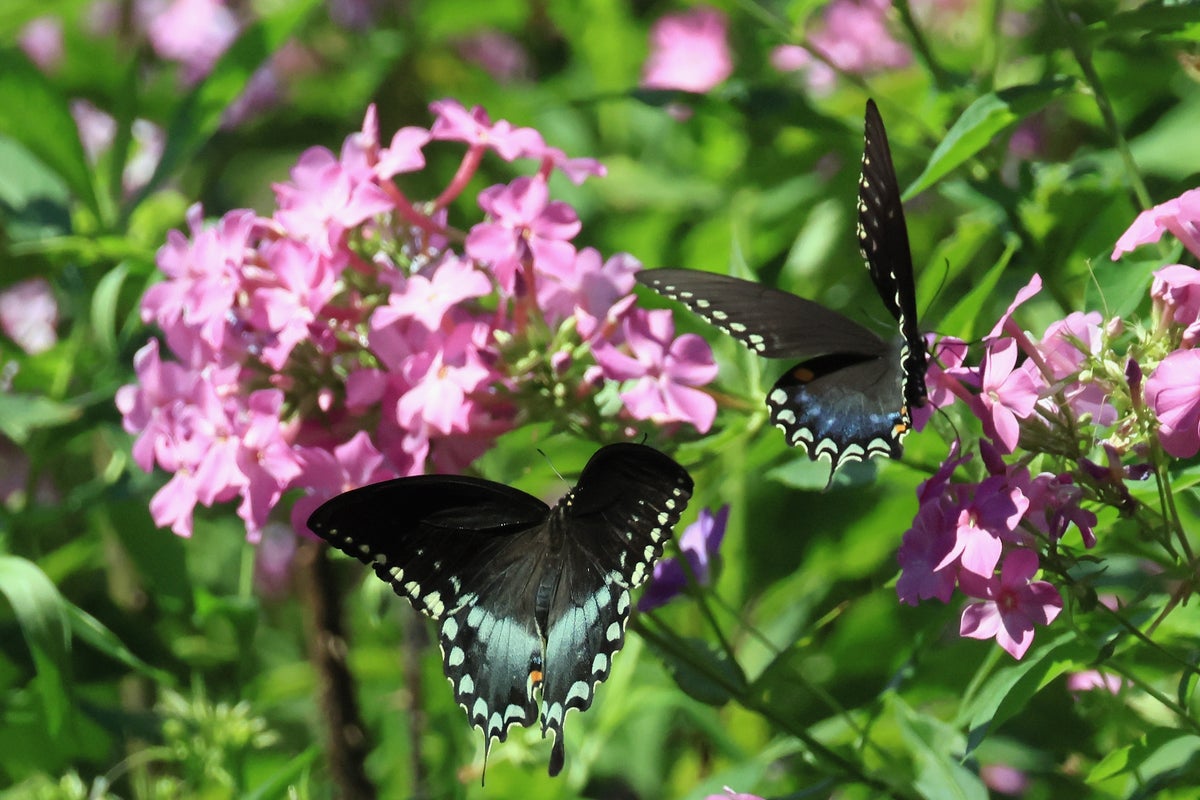
Record heatwaves have delivered the second-best butterfly season in 16 years across the UK, according to the latest Big Butterfly Count results.
The findings from the world’s largest insect survey – which saw more than 100,000 volunteers log nearly 1.4 million butterflies and day-flying moths – have confirmed a widespread surge in sightings during a summer marked by five distinct heatwaves.
The Dorset-based wildlife charity revealed soaring temperatures allowed adult butterflies to flourish, mate, and multiply rapidly across British gardens and the countryside.
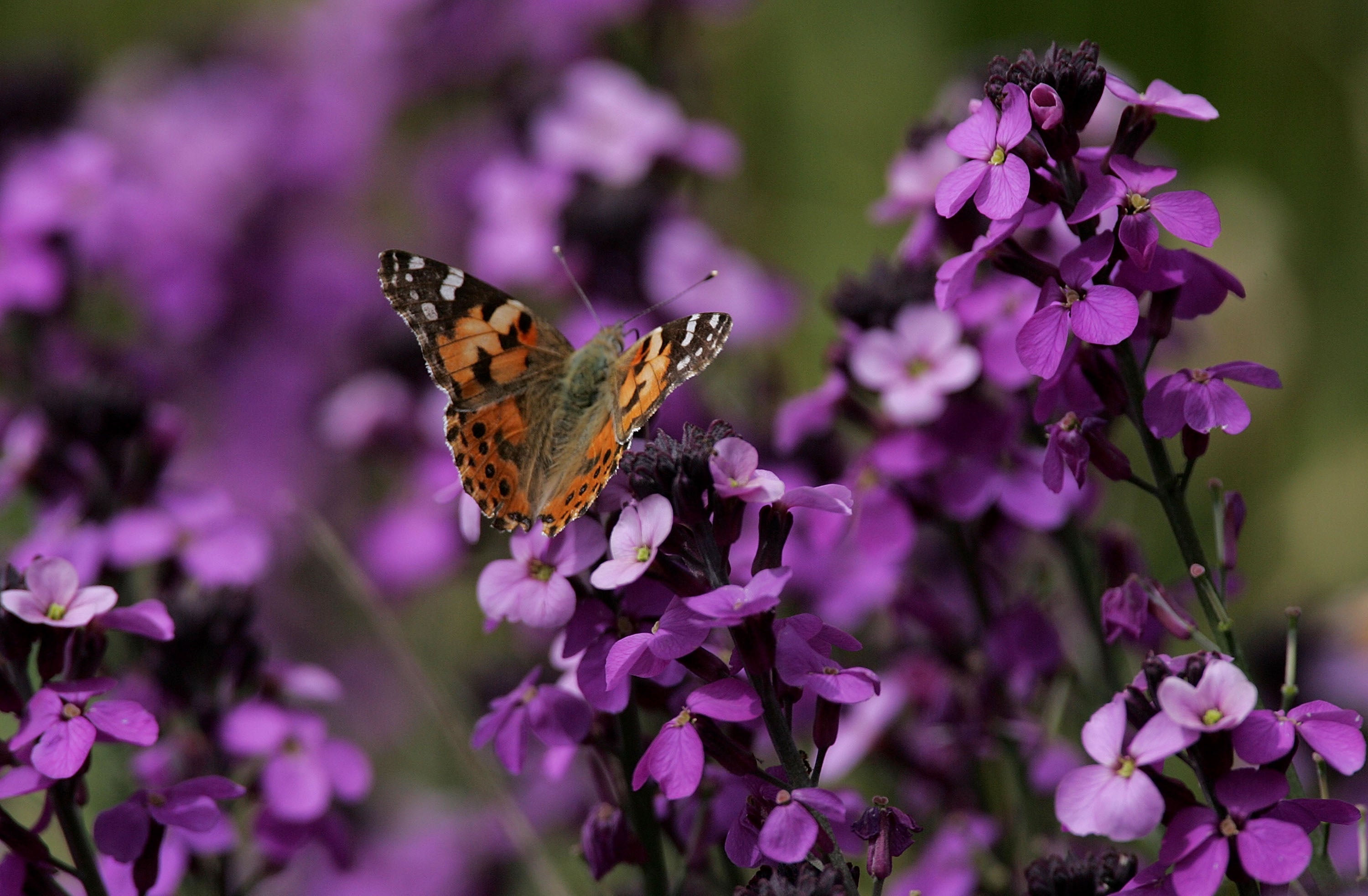
Migratory species recorded astonishing gains, where numbers of the painted lady, which completes an extraordinary multi-generational flight to Britain from sub-Saharan Africa each summer, increased by 335 per cent compared to last year. This marked its second-highest count since the survey began in 2010.
However, experts have warned that prolonged heat and severe drought conditions could trigger a sharp collapse in populations next year.
Professor Richard Fox, head of science at Butterfly Conservation, explained how the short-term benefits of warm weather can mask serious ecological damage.
“Adult butterflies love hot, sunny weather for flying, feeding and breeding, and that's exactly why people saw so many this summer – but a good summer for adult butterflies is not the same as a good summer for butterfly populations,” he said.
“What matters far more is what's happening on the ground, to the butterflies’ caterpillar offspring and the plants they depend on. The very same weather that made it a good year for butterflies – lots of sunshine and very little rain – could mean we’re actually on course for a population crash, which could take years to recover from."
While high temperatures create ideal flying conditions, intense heat without rainfall causes host plants and grasses to wither.
Because of this, young caterpillars face starvation before completing their life cycle, leaving butterfly populations struggling to sustain the next generation.
Reflecting on past climate shocks, Professor Fox highlighted how historical weather extremes have inflicted long-lasting ecological scars.
"Our real worry isn't this summer, it's what happens next," said Professor Fox. "We’ve been here before and it’s not good; the extreme droughts in 1976 and 1995 had severe impacts on butterfly populations, with some species never fully recovering."
He warned that accelerating climate breakdown poses a systemic threat to fragile habitats already under strain.
“With increasingly hot, dry summers and droughts predicted to become more and more frequent due to climate breakdown, degraded habitats and already depleted butterfly populations, some species may be pushed further and faster towards extinction, which is a very sombre thought.
"They are, quite simply, less resilient to these events, which means we could be looking at very difficult years ahead.”
Members of the public are being urged to keep gardens watered, leave grassy areas untrimmed, and plant native nectar sources to help vulnerable species survive the autumn transition.
KioskNews shows a cleaned-up reading view extracted from the publisher’s page — the original always lives on their site, not ours.