Look at the bar table to grasp the weight of this royal commission
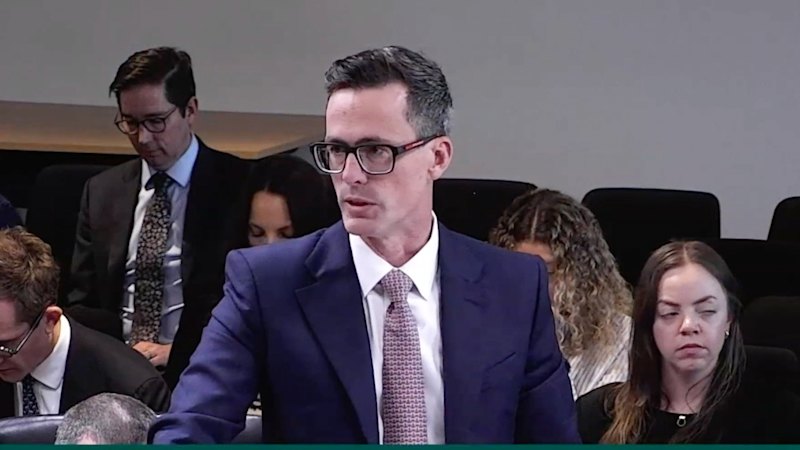
Chris Young, KC, talks fast and barely stumbles. The lead counsel assisting the inelegantly named Royal Commission into the Integrity of Major Public and Civil Infrastructure Construction Projects in Victoria, spent most of the first substantive day of hearings reading from documents.
Players in Victoria’s Big Build have already handed over 110,000 of them and Young, who it appears is well across his brief, used them to paint a series of quick-fire word pictures.
The CFMEU had “unprecedented” access to the state government of Jacinta Allan and Daniel Andrews because of their personal and factional links, he said, reading from a note prepared by John Holland, one of the nation’s largest construction companies.
At the Gap Road level crossing removal site – the subject of these hearings – documents revealed the union’s hard nuts sat on water barriers, made multiple so-called “health and safety” complaints, filmed workers and threatened to “smash” others who turned up for their shifts.
Police, according to a phone recording from the contractor’s health and safety manager, seemed “afraid to take any action”.
Gap Road is the first case study of this year-long royal commission, said Young, because it was where everything changed on Labor’s Big Build.
It’s where the CFMEU employed tactics to take over a site, then install its preferred labour hire contractor and traffic management company and start putting costs through the roof.
Young even pinpointed the day on which it all changed: June 7, 2022. What seemed on June 6 to be an intractable and escalating industrial quagmire was all but solved by the following afternoon, after a mysterious meeting at the CFMEU head office in Melbourne.
Suddenly, on site, a series of new, union-preferred contractors appeared. So, what exactly happened in that room?
This is where Young’s documents fell short.
“There are no minutes. There’s no file notes. There’s no letter recording what was agreed,” he told the commission.
To untangle this over the next two weeks, Young will need witnesses.
The witness list has not been published but will include some of the most senior government and bureaucratic officials of the Andrews-Allan era.
“The commission will hear evidence from more than 20 people, each of them has been compelled to attend by a notice to attend,” Young said.
It’s a list that’s going to keep lawyers across town busy if the session-opening announcement of appearances is anything to go by.
One by one, the silks and juniors bobbed up. They started at the table facing the commissioner with Young and his team of six. Then came two more lawyers for the Victorian Infrastructure Delivery Authority.
The very next lawyer on their feet announced herself as “Ms Foley, appearing for the Honorable Daniel Andrews, AC”. Two lawyers were in attendance for the former premier, and a third in reserve. Next? Allan’s mouthpiece.
That two former premiers of Victoria are represented at the bar table of a commission investigating corruption, crime and wrongdoing costing billions of dollars, speaks volumes for the political weight of this royal commission.
Then the union administrator’s lawyer announced himself. By then, the bar table’s space was exhausted and the state of Victoria, various building contractors and WorkSafe announced their appearances from the cheap seats behind.
By the time Victoria Police’s representative stood to make her presence known, we were in the third row back – a fitting position given the police’s long-held approach that wrongdoing on infrastructure projects was simply an industrial relations matter
Commissioner Chris Kourakis, SC, has awesome powers, and he is already using them.
The commission, said Young, had issued almost 100 calls for information from various parties. Some had returned documents, others had not. Some responses, he said, “appear on their face to be untrue,” and others “show a surprising lack of knowledge in matters the submitter should have known about”.
As anyone knows who has written about this state government, its default position is to evade questions, pretend there is nothing to see here and dodge accountability.
The fast-talking silk is clear: he will not stand for that. He ended his opening on Monday afternoon with 30 minutes to spare and a serious admonition.
He wants documents out of the bureaucrats, politicians, officials and business people, no matter how they are accustomed to acting.

KioskNews shows a cleaned-up reading view extracted from the publisher’s page — the original always lives on their site, not ours.