Iloilo water utility braces for ‘super’ El Niño
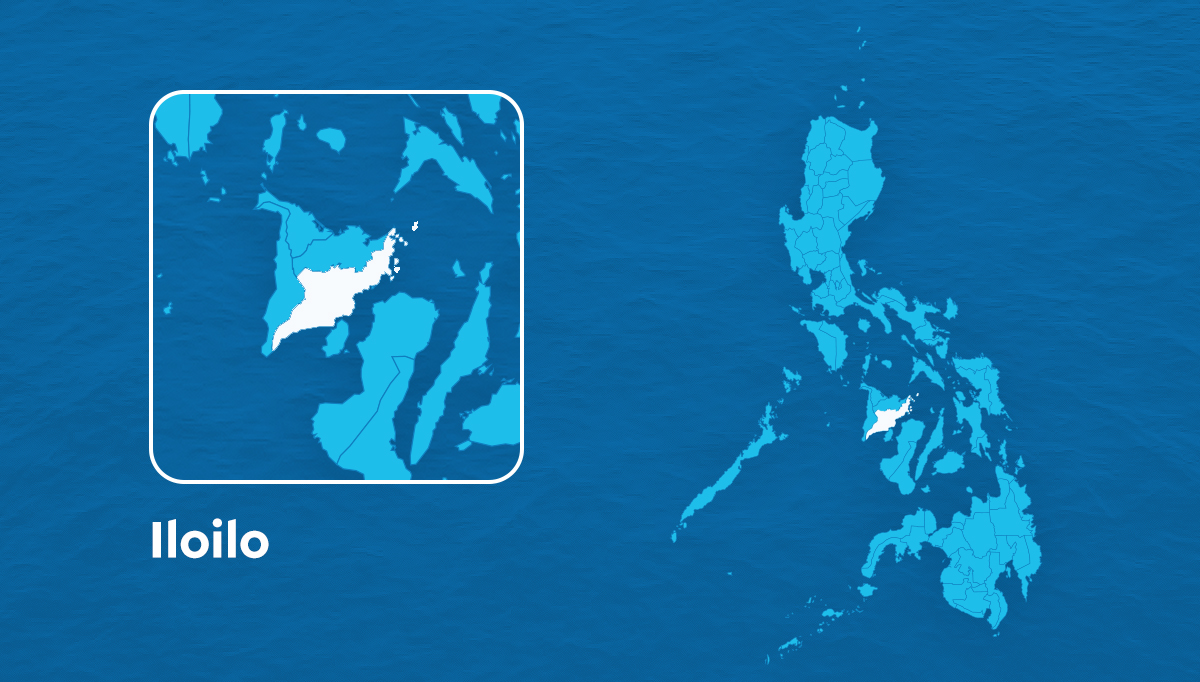
ILOILO CITY — Metro Pacific Iloilo Water (MPIW), which serves much of Iloilo City and nearby municipalities in Iloilo province, is ramping up preparations to mitigate the impact of a “super” El Niño expected to intensify between December and March.
MPIW said it is preparing for a possible drop in water supply to 50 million liters per day (MLD) under a worst-case El Niño scenario, as it rolls out infrastructure projects and leak-reduction measures to help offset the expected shortage.
The water utility currently receives about 81 MLD from two bulk water suppliers.
Article continues after this advertisement
Company officials said supply could decline as dry conditions intensify from December 2026 through the first quarter of 2027, potentially requiring water rationing in Iloilo City and seven neighboring municipalities.
FEATURED STORIES
NEWSINFO
NEWSINFO
NEWSINFO
READ: DOE: El Niño may hike power rates, outages
The Philippine Atmospheric, Geophysical and Astronomical Services Administration said in a Sept. 23 advisory that the ongoing strong El Niño was expected to intensify into a very strong event between September and December 2026 and persist through the first half of 2027.
The phenomenon is associated with below-normal rainfall and an increased risk of water supply shortages.
MPIW Chief Operating Officer Angelo David Berba said the utility was using its experience during the 2024 El Niño as a basis for contingency planning.
Article continues after this advertisement
During that episode, supply fell by about 26.86 MLD, prompting the company to implement water supply schedules in affected areas.
MPIW operations division head Jedd Allen Roxas said the company expects average daily supply to fall to 50 MLD based on its experience in 2024.
Article continues after this advertisement
“As the El Niño progresses, the supply reduces; coming into next year, if we go down to 70 MLD, there will be a corresponding reduction in the water availability. Roughly, there will be a four-hour reduction in the daily water supply,” Roxas said.
“As we progress, going to 60 and 50 MLD, which is the worst-case scenario, our water supply rotation will also be progressive across Iloilo City but also for the other seven municipalities, and then we will also be intensifying water tinkering activities to mitigate the impact of the rotational water supply,” he added.
READ: El Niño to bring drought to all provinces by March 2027 – DOST
MPIW expects to generate about 25 MLD in additional supply through groundwater sources, modular treatment facilities and efforts to reduce water losses from its distribution network.
Berba said the company was drilling wells in the Santa Barbara-Cabatuan area that are expected to yield about 10 MLD.
A modular treatment facility at Prime Estates in Iloilo City’s La Paz district is also expected to become operational between the third and fourth weeks of October or in the first week of November, adding about 1 MLD.
The utility is also working to repair leaking pipes and replace aging pipelines, which contribute to its estimated nonrevenue water rate of about 45%.
Nonrevenue water refers to water supplied by a utility that does not generate revenue, including water lost through leaks.
Berba said about 45% of the utility’s roughly 80 MLD supply is lost because of old, deteriorating and leaking pipelines, many of which are due for replacement.
If supply drops toward the worst-case level of 50 MLD, MPIW may implement rotating water supply schedules by zone.
Some areas at the far ends of the distribution network could see their daily water supply window shrink from about 10 hours to as few as six hours, company officials said.
MPIW is currently deploying 20 water tankers and may increase the number to 36 if conditions worsen.
The tankers would help supply areas most affected by rationing, particularly communities at the ends of the distribution network.
The company said it could not provide an exact date for when water supply reductions would begin because the timing would depend on rainfall and the availability of water from its sources.
Its operations and engineering teams are monitoring supply conditions in coordination with bulk water providers.
Berba urged consumers to conserve water and report leaks so the utility could address them promptly.
Your subscription could not be saved. Please try again.
Your subscription has been successful.
“If you see leaks on the streets, please report it to us. We will repair it,” he said. /das
KioskNews shows a cleaned-up reading view extracted from the publisher’s page — the original always lives on their site, not ours.