Netanyahu vows to stick with far-right partners as Eisenkot seeks path to ‘bring change’
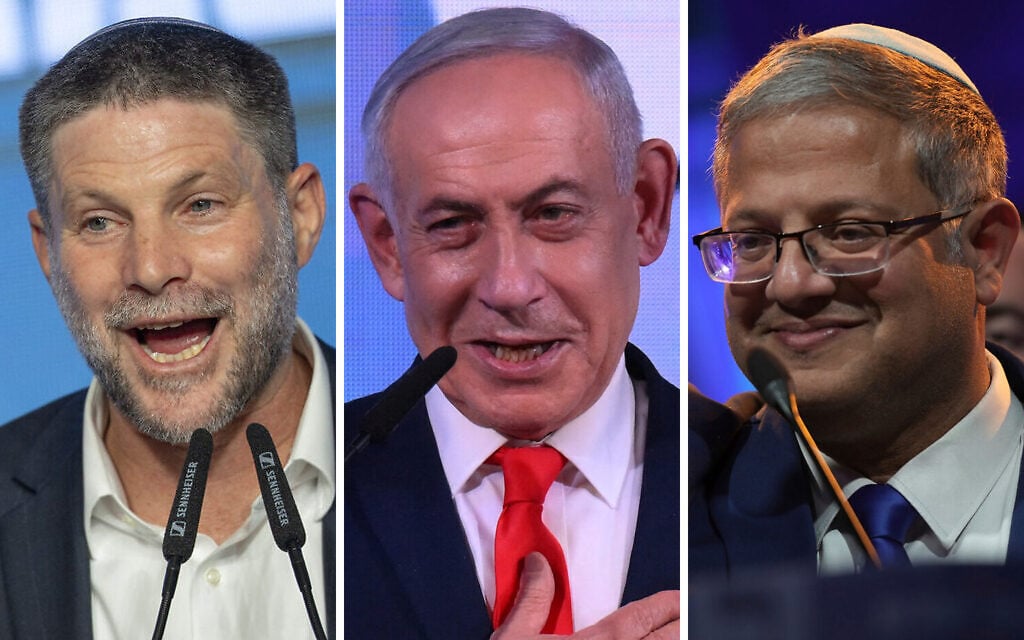
Prime Minister Benjamin Netanyahu and his rivals on Wednesday each maneuvered to secure an advantage in the political battle to lead the next government, ahead of what are expected to be prolonged coalition talks, due to inconclusive results in the general elections a day earlier.
With over 90 percent of ballots counted, Netanyahu and his allies held 53 seats to the Zionist opposition bloc’s 48 — both far short of a majority in the 120-seat Knesset. The predominantly Arab Joint List and Ra’am parties were on track to win the remaining 19 seats, picking up 12 and seven seats respectively.
That outcome leaves neither side with a clear path to a government, unless they are willing to work with each other or with Arab parties, with either potential scenario requiring them to break pre-election promises to their voters.
0:00 / 0:00
Promoted: Z3 2026

Hebrew media outlets reported that Netanyahu spoke on Wednesday evening with his far-right partners, National Security Minister Itamar Ben Gvir and Finance Minister Bezalel Smotrich, and promised to keep their bloc of right-wing and Orthodox parties united.
“We are together and we are staying together,” the pro-government Channel 14 quoted Netanyahu as having told his far-right allies, as analysts discussed the possibility of a unity government that would see the Likud leader abandon them in favor of Gadi Eisenkot’s Yashar party and others.
Get The Times of Israel's Daily Edition by email and never miss our top stories
By signing up, you agree to the terms
The premier was also due to speak with the leaders of the Haredi parties, United Torah Judaism and Shas, later, according to the reports.
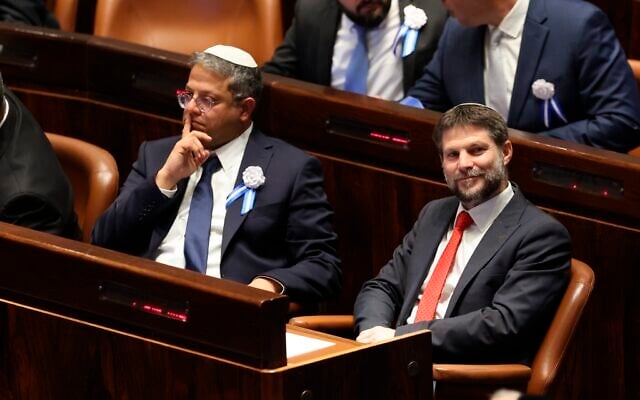
Eisenkot, Netanyahu’s main contender, meanwhile said the results represented a vote of no confidence in the outgoing government, vowing to press ahead with efforts to replace it, despite his bloc falling even further short of a parliamentary majority.
“This is the will of the people, who expressed no confidence in the government of October 7 and draft evasion, and in the draft-dodgers’ bloc as a whole,” Eisenkot wrote on X, referring to Netanyahu and his allies.
“We have more long days of work ahead of us, but we are focused on the weighty task entrusted to us, bringing change to Israel and establishing a Zionist government committed to military conscription,” Eisenkot added, following what he describes as a long day of meetings.
He pledged to “rise to the great challenge ahead of us.”
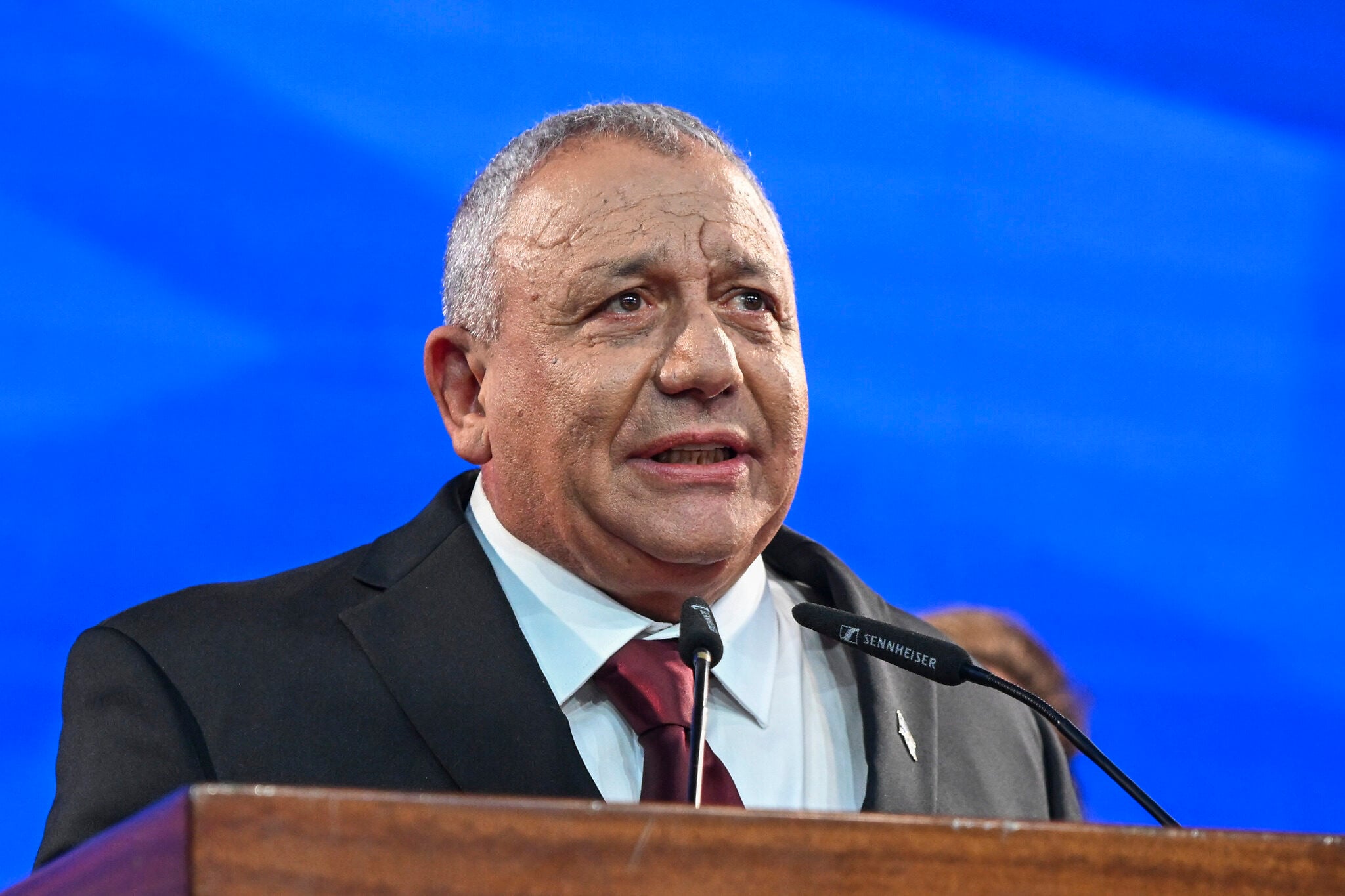
Yair Golan, chair of the left-wing The Democrats, said he planned to meet with three party leaders on Wednesday for talks on forming a government, among them Eisenkot and B’Yachad No. 2 Yair Lapid. Along with Yashar, B’Yachad and the Democrats, the Zionist opposition bloc includes Avigdor Liberman’s hawkish Yisrael Beytenu party. Those factions, however, have not agreed to govern together, and all but the Democrats have thrown cold water on the prospect of governing with the Arab parties.
Asked during his first interview since election polls closed if Liberman would be among those he meets Wednesday, Golan declined to name names.
“I hope to meet with all of them by Sunday,” Golan told Channel 12, adding that he would work to persuade the other leaders that they share “an overarching mission: to bring hope to the people of Israel.”
Golan said forming a government was necessary to address security concerns, stop the current government’s judicial overhaul and offer hope to young people, who are “asking whether they even want to live in this country.”
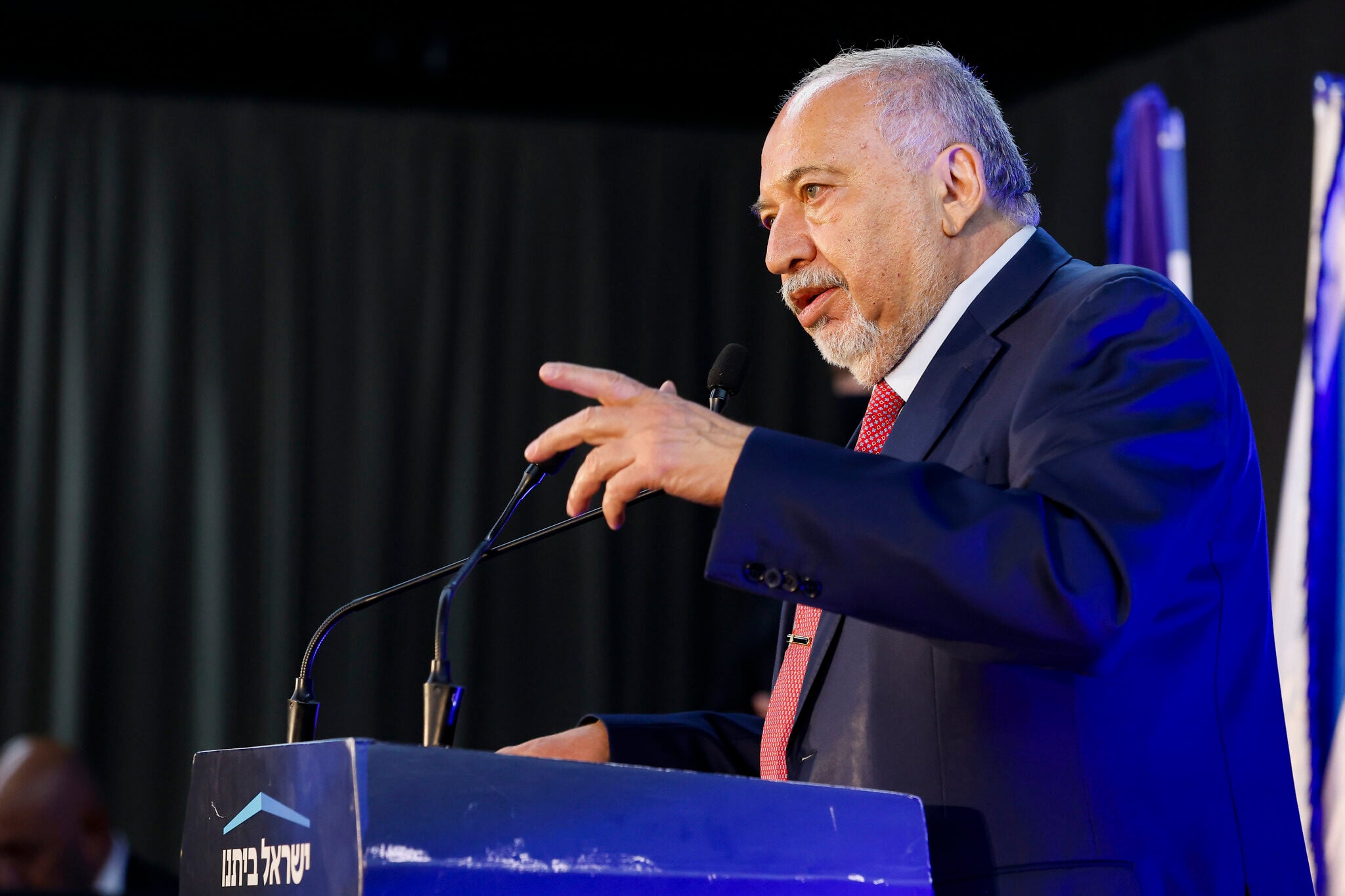
It remained unclear if other opposition figures were on board with Golan’s vision. According to Channel 12, Liberman had largely cut off contact with his fellow “change bloc” leaders, though there was some communication between their campaign staffs.
Liberman was not answering calls from Eisenkot or B’Yachad chairman Naftali Bennett, according to the report, which said the Yisrael Beytenu chief still stood by his vows not to join a government under Netanyahu or support a minority government reliant on Arab parties.
He also did not see replacing Knesset Speaker Amir Ohana as a viable act under the current political circumstances — an idea floated by his opposition partners, which could be implemented without forming a government.
Doing so would require the support of 61 MKs, and would give the Zionist opposition control of the legislative agenda, even if the bloc doesn’t use that majority to form a government.
Liberman — who has previously taken time to make his coalition intentions known — expected pressure on Eisenkot to join a unity government alongside Netanyahu and would prefer the Yashar chairman do so of his own volition, Channel 12 said.
Meanwhile, the Kan public broadcaster reported that opposition parties were considering using their parliamentary majority in the Knesset to replace Ohana as Knesset speaker with Lapid, even before diving into efforts to form a government.
Replacing Ohana with Lapid, who is leader of the opposition, would allow the anti-Netanyahu bloc to advance the establishment of a state commission of inquiry into the failures surrounding the October 7, 2023, attacks and repeal the current government’s judicial overhaul laws.
Other names reportedly under consideration for Knesset Speaker include Yisrael Beytenu MK Oded Forer, Yashar MKs Elazar Stern and Orit Farkash-Hacohen and Democrats MK Efrat Rayten.
KioskNews shows a cleaned-up reading view extracted from the publisher’s page — the original always lives on their site, not ours.