Control of Congress is up for grabs. What's the math for Democrats and Republicans?
As Americans line up to cast their votes on Election Day, the majorities of both houses of Congress are in play as voters weigh a midterm check on unified control of government in Washington -- President Donald Trump's hold on the White House and Republican majorities in the House and Senate the past two years.
Republicans hold slim majorities in both the House and Senate and are rallying to preserve them with just days until Election Day.
Democrats on the other hand are trying to make inroads into some traditionally red areas in hopes of picking up crucial seats.
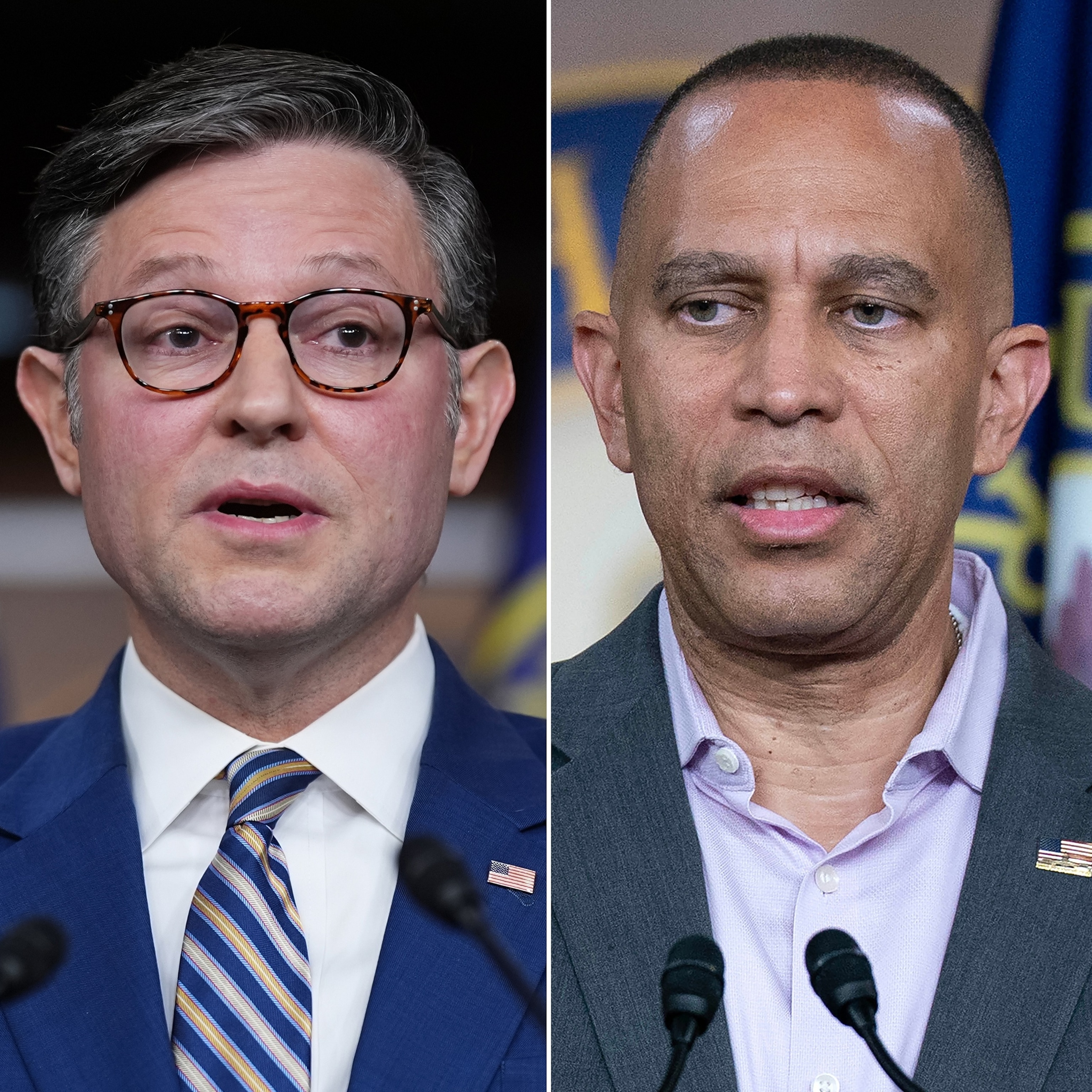
Speaker of the House Mike Johnson in Washington, July 21, 2026 and House Minority Leader Hakeem Jeffries in Washington, July 13, 2026.
AP
House
In the House, all 435 seats are on the ballot on Nov. 3 for two-year terms in the 120th Congress. Speaker Mike Johnson of Louisiana currently holds a historically narrow majority: 218 Republicans alongside a single independent, Rep. Kevin Kiley of California, who filed for reelection without party affiliation but continues to generally support the speaker on the floor. Democrats hold 214 seats.
There are also two vacancies in the House following the April resignations of lawmakers with ethics issues -- former Texas Republican Rep. Tony Gonzales and former Florida Democratic Rep. Sheila Cherfilus-McCormick, who attempted a comeback but was rejected by voters in an August primary.
That’s a lengthy way to explain that on Election Night, Johnson effectively begins with a 220-215 edge over Minority Leader Hakeem Jeffries.
While Johnson and Republicans defend their legislative record amassed over the past two years -- including the Working Families Tax Cuts Act, formerly known as Trump's "One, Big Beautiful Bill" -- the closing message from the GOP has also starkly warned voters not to embrace “Mamdani madness," a reference to New York City's democratic socialist mayor and the success of some democratic socialist candidates in Democratic primaries this year.
"We are bringing down the cost of living. We are providing more jobs and opportunity for more people. The facts show it and the records show it," Johnson told CBS during a recent interview. "The success goes on and on."
Across the aisle, Jeffries, a Brooklyn Democrat, is striving to become the first Black speaker in U.S. history, campaigning largely on a plank of affordability and anticorruption that directly takes aim at Trump.
"The American people are fed up," Jeffries told reporters this month, adding his belief that Democrats are "on track" to win the House majority.
For Jeffries to get a chance to take the speaker’s gavel, Democrats must attain a net gain of three seats, pushing their numbers to at least 218 -- a simple majority.
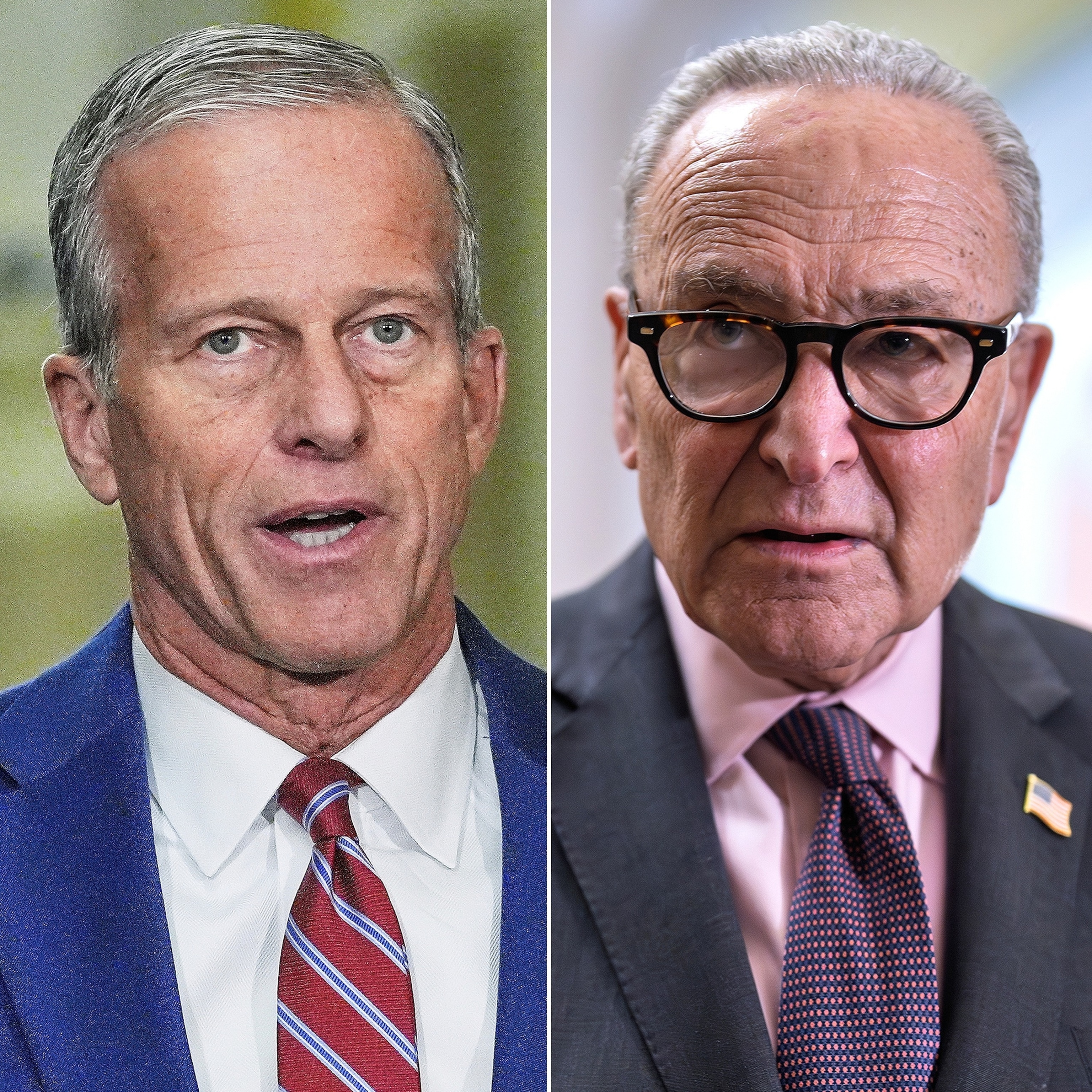
Sen. Majority Leader John Thune in Washington, Sept. 23, 2026 and Senate Minority Leader Chuck Schumer in Washington, June 2, 2026.
AP
Senate
In the Senate, 35 of the upper chamber’s 100 seats are on the ballot for six-year terms, including 13 Democratic and 22 Republican seats sprinkled across the political landscape.
Senate Majority Leader John Thune and Republicans currently hold a 53-45 edge over Senate Democrats, who also have two independents that caucus with them, pushing the current minority to 47 seats.
Thune could afford to have a net loss of three GOP seats and still retain the majority, given Vice President JD Vance’s constitutional power to break tie votes in the Senate.
For Senate Minority Leader Chuck Schumer and Democrats to flip the majority, however, they’ll need to amass a net gain of four seats.
More than 57 million Americans had voted early as of Monday night, according to the University of Florida's Election Lab.
KioskNews shows a cleaned-up reading view extracted from the publisher’s page — the original always lives on their site, not ours.