Cebu archbishop: Budget insertions raise moral, accountability concerns
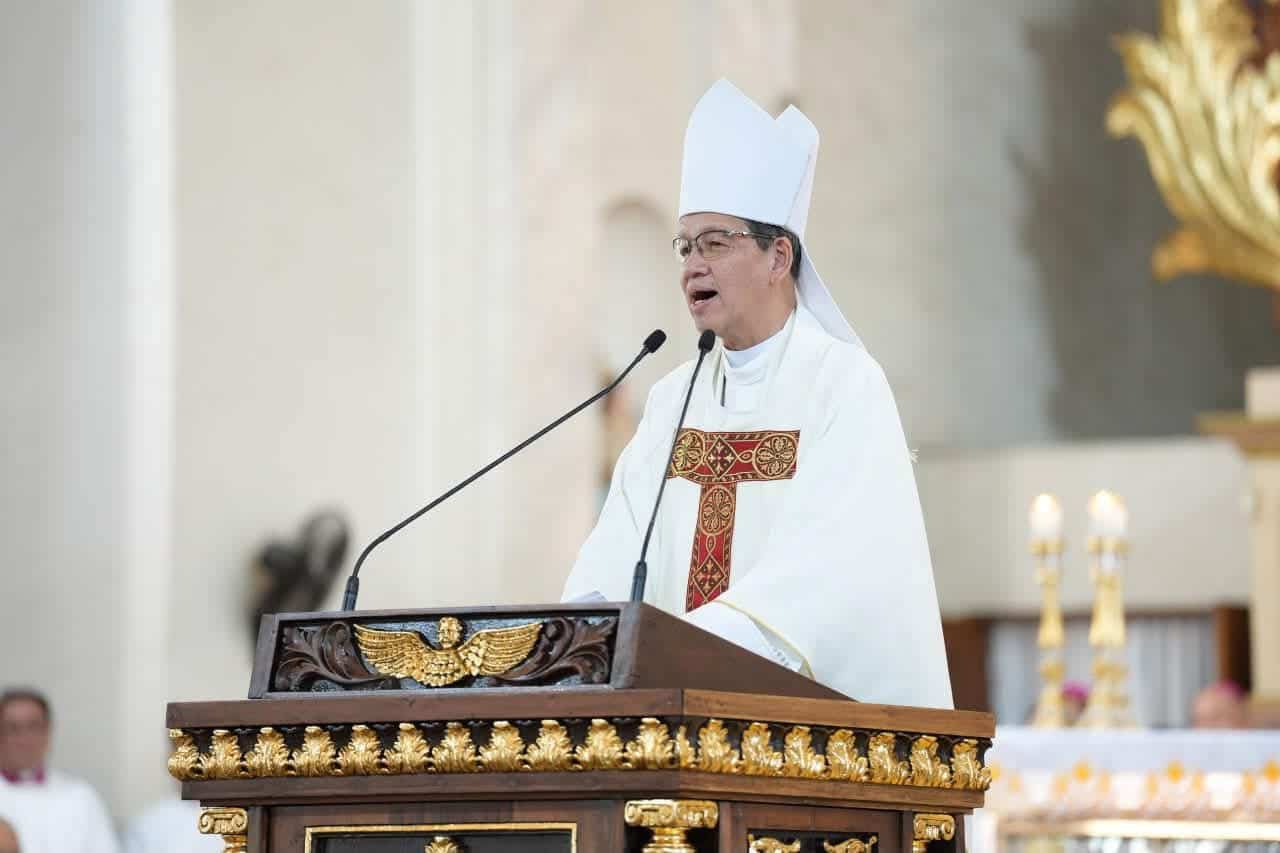

TAGBILARAN CITY — Cebu Archbishop Alberto “Abet” Uy on Friday (Nov. 6) warned that questionable insertions in the national budget could undermine public trust, fuel corruption and deprive poor communities of resources intended for essential services.
In a pastoral reflection titled “Budget Insertions in the Philippines: A Question of Morality and Accountability,” Uy said budget insertions were not automatically illegal or immoral, but those made for personal gain, political favors or hidden interests were deeply wrong.
He stressed that Congress the constitutional authority to examine and amend the proposed national budget, subject to constitutional limitations.
Article continues after this advertisement
READ: ‘Sordid’ budget
FEATURED STORIES
NEWSINFO
NEWSINFO
NEWSINFO
“The problem begins when the power to amend the budget is abused,” Uy said.
He explained that questionable budget insertions could divert government resources from more urgent public needs, particularly when projects were proposed to serve politicians’ interests rather than the actual needs of communities.
A community in need of a hospital, for instance, could end up receiving an unnecessary road project instead, he said.
Uy also cautioned that some questionable insertions could be used to benefit favored contractors, political allies or public officials expecting kickbacks.
Article continues after this advertisement
READ: ‘Budget insertions’ alarm business groups anew
However, he emphasized that allegations of corruption must be investigated and proven, noting that the mere presence of a budget insertion was not evidence of wrongdoing.
Article continues after this advertisement
He said public funds should be allocated based on the needs of the people rather than political connections, warning that politically influential localities should not receive preferential treatment at the expense of poorer communities.
The archbishop also raised concerns over transparency, particularly when substantial changes were introduced late in the budget process without adequate public explanation and scrutiny.
Such practices, he said, could weaken citizens’ confidence in government and undermine democratic institutions.
On the legal aspect, Uy cited Article VI, Section 25 of the 1987 Constitution, which sets limits on Congress’ authority over appropriations, and the Supreme Court’s 2013 ruling in Belgica v. Ochoa, which declared the Priority Development Assistance Fund (PDAF) system unconstitutional.
He said the critical question was not simply whether a legislator proposed an insertion, but whether the amendment and its implementation complied with the Constitution, budget laws and accountability requirements.
From the perspective of Catholic social teaching, Uy identified the common good, the preferential option for the poor, and stewardship and accountability as fundamental principles that public officials must uphold.
He said corruption disproportionately affected poor Filipinos because funds lost through questionable projects could have been used for medicines, classrooms, housing, disaster protection and other essential services.
“Corruption is not simply stealing money. It is stealing opportunities from the poor and sometimes even putting human lives at risk,” he said.
Citing Luke 12:48, which states that much will be required of those entrusted with much, Uy reminded public officials that they were stewards, not owners, of public resources.
He called for the public disclosure and clear justification of every significant budget amendment, with allocations supported by genuine community needs and subjected to independent auditing.
He also urged authorities to investigate allegations of corruption fairly and hold those responsible accountable when wrongdoing was established, regardless of political affiliation, position or personal connections.
In his final reflection, Uy said public funds came from the taxes paid by ordinary Filipinos, including workers, farmers, fishermen, teachers, drivers and struggling families.
“Every peso diverted through corruption represents a betrayal of their sacrifices,” he said.
He added that corruption involving public funds was not merely a political or financial issue but a deeply moral one.
“The question we should ask about every budget insertion is not simply, ‘Is it legal?’ We should also ask: ‘Is it necessary? Is it transparent? Is it just? And does it truly serve the Filipino people, especially the poor?’” Uy said.
Your subscription could not be saved. Please try again.
Your subscription has been successful.
He described the national budget as more than a document containing figures, saying it was a moral document that reflected whose needs government leaders considered important and whose lives they were willing to protect. INQ
KioskNews shows a cleaned-up reading view extracted from the publisher’s page — the original always lives on their site, not ours.