Onoh warns against insults on Peter Obi
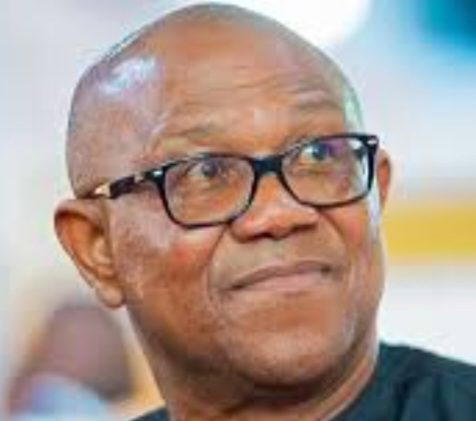
Former Enugu State House of Assembly member and former South-East spokesman for the Bola Tinubu Presidential Campaign Council, Denge Josef Umunnakwe Onoh, has urged political actors in the South-East to refrain from what he described as personal attacks and insults against former Anambra State governor and 2023 presidential candidate, Peter Obi.
Onoh, in a statement made available to journalists in Abuja, said recent public exchanges involving Anambra State Governor Chukwuma Soludo and Minister of Works, David Umahi, among other political actors, should not be allowed to undermine the region’s collective political interests.
He said while political differences and divergent choices were legitimate in a democracy, publicly disparaging prominent politicians from the region for what he described as short-term political gains could weaken the South-East’s influence at the national level.
“We must look at the broader political matrix of Nigeria,” Onoh said.
According to him, major political blocs in the country understand the importance of protecting their prominent political figures despite internal disagreements, because undermining a leading politician could reduce the collective bargaining power of the wider group.
Onoh warned that failure by South-East political leaders to build what he described as a cohesive and mutually respectful front could leave the region as “political nomads” — individually successful but without a stable political anchor in national affairs.
He also cited what he described as historical instances of political actors sacrificing regional solidarity for temporary external patronage.
“History does not lie. Look closely at those who historically betrayed regional cohesion or targeted their own frontline figures to curry temporary favour with external interests,” he said.
He argued that such politicians could lose influence and acceptance within their communities after leaving public office.
Onoh further described the geographical spread of Igbo communities beyond the five South-East states as a potential source of political and economic leverage, identifying areas from Ikwerre and Port Harcourt in Rivers State to Nsukka in Enugu State, and from Anioma and Igbanke in Delta and Edo states to border areas of Cross River and Akwa Ibom states.
“True unity is the ultimate strategic asset,” he said.
Onoh also argued that Obi had developed a significant national political profile, describing him as a major political brand with appeal beyond the South-East.
“Since the eras of Dr. Nnamdi Azikiwe and Dim Chukwuemeka Odumegwu Ojukwu, no political figure from our region has generated the level of wide national acceptability and cross-regional organic appeal that Peter Obi has built,” he said.
“To systematically attempt to diminish him for cheap, temporary glory is to devalue the region’s own currency.”
However, Onoh distinguished between legitimate political competition and personal attacks, saying politicians could belong to different parties and pursue different political interests without resorting to insults.
He commended Imo State Governor Hope Uzodimma, Abia State Governor Alex Otti and Enugu State Governor Peter Mbah for what he described as maintaining decorum despite their different political affiliations and strategic interests.
According to him, the three governors had demonstrated that political competition could be conducted without resorting to public insults against Obi.
Onoh stressed that every Nigerian had the right to support any political candidate, including President Bola Tinubu, former Vice-President Atiku Abubakar, Obi or any other contender.
“Let everyone express their choices clearly through the ballot box. If you do not believe in Peter Obi’s vision, speak your mind by voting against him at the polls,” he said.
“But do not join external choruses to launch vitriolic insults against a decent man who, despite his natural human flaws, has brought profound global pride to millions.”
He urged political actors to focus on the programmes, policies and manifestos of their preferred candidates rather than personal attacks.
Onoh warned that political differences could outlast individual political appointments, urging South-East politicians to consider the long-term consequences of their public conduct.
“The fanfare, the sirens, and the temporary political razzmatazz of today will inevitably come to an end,” he said.
“When the dust settles, the community will remember those who broke the bond of regional respect for a seat at a temporary table.”
KioskNews shows a cleaned-up reading view extracted from the publisher’s page — the original always lives on their site, not ours.