UPI merchant fee rollout scheduled for October 15 may be pushed to January: Report
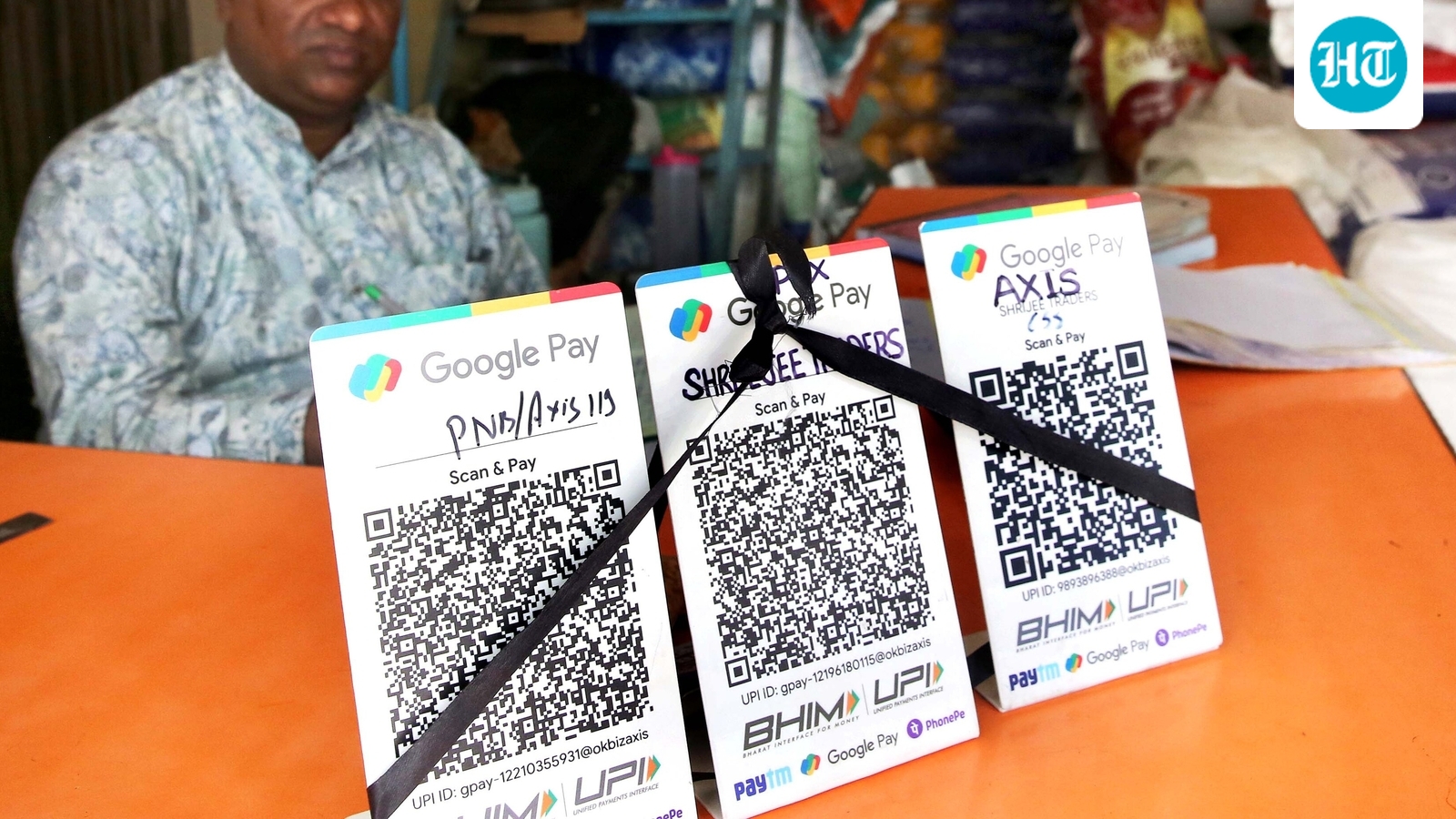
The government is reportedly mulling postponing the rollout of the Merchant Discount Rate (MDR) on large payments via the Unified Payments Interface by a few months.
The fee, which was set to come into effect on October 15, might now be implemented from January, Reuters news agency reported citing an industry executive and a regulatory official familiar with discussions. Moneycontrol had first reported the delay in rollout.
HT has not independently verified the information.
Under the new MDR framework, merchants accepting UPI payments above ₹2,000 would have to pay a fee of 0.4% of the transaction value. Person-to-person transfers will be exempted from the charge, and payments to certain categories will attract a flat ₹5 fee irrespective of the amount.
Why the delay in rollout?
A final decision on delaying the rollout is yet to to be taken by the National Payments Corporation of India, one of the sources told Reuters. The decision might be taken in the next few days.
A delay in implementation would allow payments firms to update their systems. Given that the current rollout date coincides with the festive season in India, the delay would also address issues around this, Reuters reported citing the sources, who were not identified.
What do we know about the charges?
Parliament cleared the Taxation and Other Laws (Amendment) Bill, 2026 on August 11, amending Section 10A of the Payment and Settlement Systems Act, 2007, to give the government the power to permit charges on specified digital payment modes.
Following the introduction of the new framework last month, two types of fees will apply to UPI payments above ₹2,000. The first is a flat MDR of ₹5 per transaction on payments to merchants in four specified categories — railways, telecom services, insurance and fuel.
The second constitutes an MDR of 0.4% on other person-to-merchant (P2M) UPI payments above ₹2,000, capped at ₹300 per transaction. For example, if a UPI payment of ₹10,000 is made to a railway ticket counter, a telecom operator, an insurer or a fuel outlet, the merchant is charges ₹5. If it is paid to any other merchant, the charge is 0.4% — ₹40. Four categories of UPI payment have been exempted from this charge – person-to-person (P2P) UPI transfers, P2M payments up to ₹2,000, person-to-person merchant (P2PM) payments and all RuPay debit card transactions.
P2PM is a category which constitutes small vendors receiving up to ₹1 lakh a month directly into their bank accounts through UPI QR.
KioskNews shows a cleaned-up reading view extracted from the publisher’s page — the original always lives on their site, not ours.