The West Bank is the historic heartland of the Jewish people - opinion
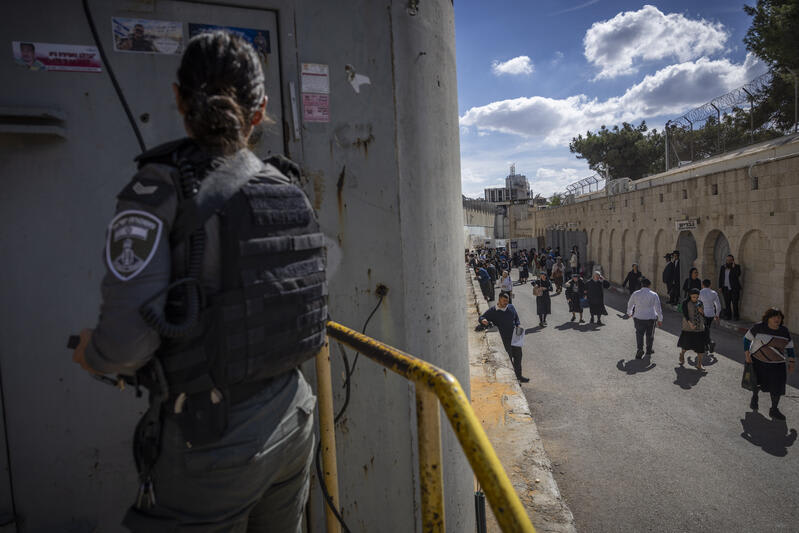
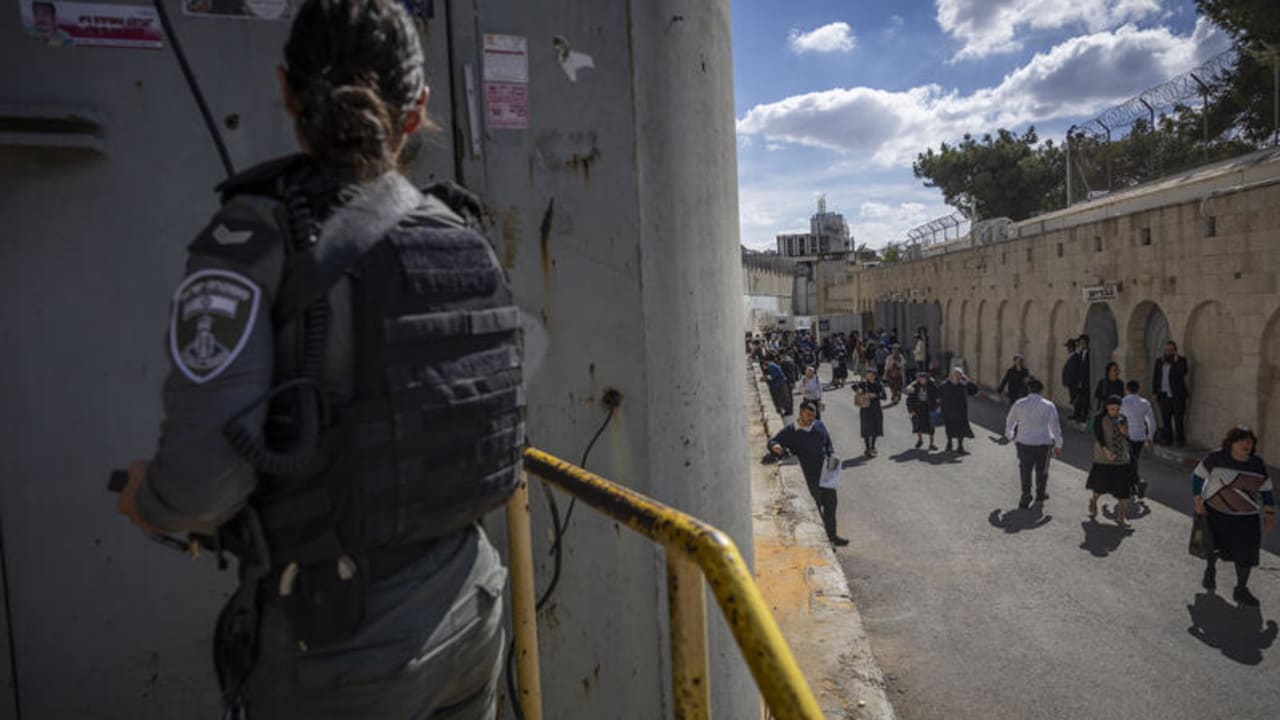
Jewish history and international legal instruments underpin Israel’s claim to Judea and Samaria, while past withdrawals raise questions about territorial concessions.
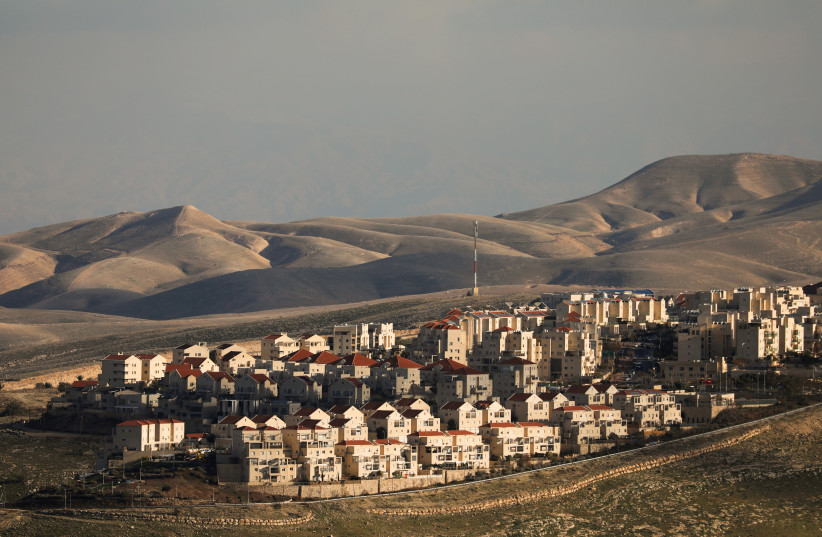
I live in Mitzpe Yeriho in the Judean Desert, 20 minutes northeast of Jerusalem. From the windows of my home, I watch the sunset over the same hills that fill the pages of the Bible.
Jews have maintained a continuous presence and an unbroken claim on this land for more than 3,000 years. The names “Judea and Samaria” come from the Jewish kingdoms that rose and fell here. Archaeological layers, inscriptions, and ancient texts document Jewish towns, farms, and religious life across these hills long before the modern era.
The region formed the core of Jewish national life in antiquity, and Jewish communities returned to it whenever external rulers permitted.
The claim that Judea and Samaria constitute Palestinian land rests on a history assembled largely in the 20th century. Arab families lived here under Ottoman rule and later under the British Mandate, yet the notion of a distinct Palestinian nation holding exclusive title to these specific hills developed mainly after the 1948 War of Independence, and especially after the 1967 Six Day War.
Earlier Arab and Islamic sources described the area as part of broader provincial territories under successive empires. They did not treat it as the sovereign territory of a separate Palestinian people.
Jewish communities existed in Hebron, Gush Etzion, and other sites before the 1948 war, and Jewish legal and historical claims were recognized in the San Remo Conference and the League of Nations Mandate for Palestine. Treating the land as Palestinian by default ignores that longer record, and substitutes a recent political narrative for the documented past.
Critics of Jewish construction can point to political controversy. International organizations dispute the legal status of the territory. Diplomats and legal scholars debate the application of the Fourth Geneva Convention, the relevance of the British Mandate, and the effect of later resolutions.
Those debates are real, and they produce competing arguments about sovereignty and settlement policy. They do not convert the historical and legal record into exclusive Palestinian ownership. The strongest position available to opponents is that the status remains contested and that further construction complicates diplomacy.
That position leaves the underlying Jewish connection intact and does not establish that the land is Palestinian property as a matter of fact or settled law. The assumption that the area is definitively Palestinian land therefore lacks foundation in the continuous evidence of Jewish presence and in the international instruments that followed World War I.
Israel must state its connection to Judea and Samaria without apology or qualification, and every advocate for Israel must do the same. The region is the historic heartland of the Jewish people.
Acknowledging that fact does not dictate every future border arrangement or every negotiating tactic. It does prevent the gradual surrender of principle that begins when the center of the homeland is treated as optional.
Once public discourse accepts that the heartland can be conceded, later generations face mounting pressure to treat the coastal plain and the rest of the country as negotiable as well. Claims expand once the first concession is granted in principle, and the political cost of defending remaining territory rises with each successive retreat.
Israel's territorial succession in Gaza
The Israeli withdrawal from Gaza in 2005 supplies the clearest recent demonstration of what follows from territorial concessions. Israel removed every soldier and every civilian community. The territory was left without an Israeli presence.
Hamas then governed the area, constructed tunnels and rocket infrastructure, and launched the October 7, 2023 attack that killed more than 1,200 people and took 251 as hostages. The land transferred in the name of peace became a platform for a larger massacre.
Earlier Israeli withdrawals, and the repeated rejection of partition proposals, produced similar results. Territory relinquished did not generate security or mutual recognition. It generated the conditions for further attacks.
The pattern is consistent enough that future decisions must account for it rather than assume that the next transfer of land will produce a different outcome.
I raise my children and grandchildren on these hills. I serve as mayor of a growing town that did not displace any prior residents. Archaeological evidence shows the site was uninhabited until the late 1970s.
Families here build homes, open businesses, and bring up children in a place the world often labels temporary. The daily life I observe does not match the narrative of an exclusively Palestinian territory whose Jewish residents exist only as obstacles.
The same hills contain ancient Jewish sites and modern Jewish communities side by side. That reality is visible to anyone who travels the roads between Jerusalem and the Jordan Valley.
Public discussion frequently treats Jewish construction as the primary obstacle to any future arrangement. That framing overlooks the repeated refusal of Palestinian leadership to accept Jewish sovereignty anywhere between the river and the sea, and it overlooks the concrete results of past withdrawals.
The October 7 massacre occurred years after Israel left Gaza. The lesson is not abstract. Land given away under the expectation of quiet became the base for the largest single-day killing of Jews since the Holocaust. Any advocate who softens the description of Judea and Samaria as Jewish land makes the next concession easier to demand and harder to resist.
The historical record, the legal instruments that recognized Jewish rights, and the practical outcomes of previous withdrawals all point in the same direction. Judea and Samaria is the historic Jewish heartland. Palestinian national claims to exclusive ownership of it were constructed after the fact.
Political and legal arguments against further Jewish building can be made, and they deserve a hearing. They do not establish that the land is Palestinian by right or by settled title. Israel and its supporters can state the connection clearly. Doing so protects the integrity of the argument for the rest of the country, and accounts for the evidence that concessions of territory have not produced peace.
The writer is a certified interfaith hospice chaplain in Jerusalem and the mayor of Mitzpe Yeriho.
KioskNews shows a cleaned-up reading view extracted from the publisher’s page — the original always lives on their site, not ours.