1 out of 4 MMDA pumps not operational at end-2025 -- COA
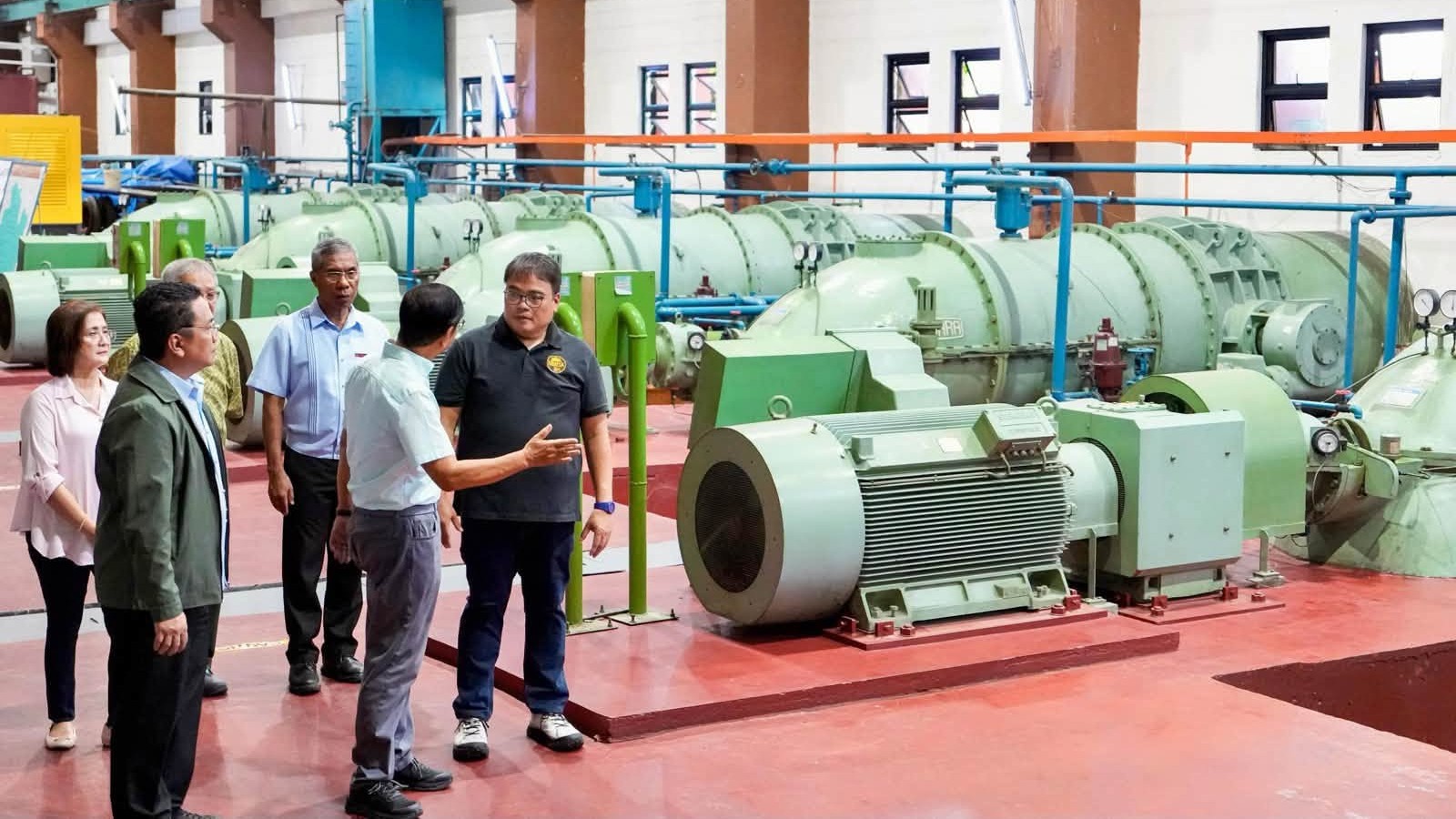
One out of every four pumps operated by the Metropolitan Manila Development Authority (MMDA) was not operational at the end of 2025, with the affected units either under repair, replacement or rehabilitation, according to the Commission on Audit (COA).
In its 2025 annual audit report, the COA said the figure corresponds to 28 of the 119 pumps operated by the MMDA.
“Audit evaluation showed that, as at year-end CY 2025, 28 out of 119 pumps, or approximately one out of every four pumps, were not operational, being under repair, replacement, or rehabilitation,” COA said.
By law, the MMDA is tasked with managing Metro Manila's flood control system to ensure rapid drainage, passable roads, business continuity and public safety during heavy rains.
However, this mandate is shared with the Department of Public Works and Highways (DPWH), which retains control over funding, major repairs and infrastructure development.
COA acknowledged the MMDA's report indicating 100% reliability for its pumping stations and Effective Flood Control Operation System in fiscal year 2025.
However, state auditors noted that their evaluation showed capacity limitations in some facilities, preventing them from operating at full capacity.
Based on the annual audit report, the following were the conditions of the 29 large pumping stations operated by the MMDA as of December 31, 2025:
Caloocan City
- Maypajo - 1 operational, 1 needs repair
Malabon City
- Catmon - 3 operational, 1 needs repair
Mandaluyong City
- San Francisco - 2 operational, 2 need repair
Manila
- Abucay - 4 operational, 2 need repair
- Aviles - 3 operational, 1 needs repair
- Balete - fully operational
- Binondo - 3 operational, 1 needs repair
- Escolta - fully operational
- Paco - fully operational
- Pandacan - 1 operational, 1 needs repair
- Quiapo - fully operational
- San Andres - 3 operational, 1 under rehabilitation
- Spine - 2 operational, 2 need repair
- Tapayan - 6 operational, 1 needs repair
- Uli-Uli - no operational pumps
- Vitas - 4 operational, 1 needs repair
Navotas City
- Bangkulasi - 1 operational, 1 under rehabilitation
- North Navotas - fully operational
Pasay City
- Labasan - fully operational
- Libertad - 2 operational, 4 under rehabilitation
- Sta. Clara - 1 operational, 1 needs repair
- Tripa de Gallina - 5 operational, 3 need repair
Quezon City
- Valencia - fully operational
San Juan City
- Balong Bato - fully operational
- Salapan - fully operational
Taguig City
- Hagonoy - 5 operational, 1 undergoing repair
- Taguig - fully operational
Only the Uli-Uli and Makati pumping stations had no operational pumps, while Libertad was operating with just two of its six units, according to COA.
“Although a majority of pumps across the system remain operational, a significant portion are not functioning. In practical terms, this means that while the system continues to operate overall, its capacity is uneven and partly constrained, particularly in areas served by these affected stations,” COA said.
“During normal conditions, these limitations may not immediately result in visible flooding. However, during periods of heavy rainfall, when the system is most needed, reduced or absent pumping capacity in specific locations may delay the removal of floodwaters, thereby increasing localized flood risk,” it added.
MMDA response
Responding to COA's findings, the MMDA said ongoing rehabilitation works do not disrupt the overall operations of its pumping facilities.
The MMDA added that mobile pumping units are routinely deployed on standby for emergencies at the Uli-Uli facility, while modernization measures are underway to advance full automation across its network.
“An ongoing collaboration with the Department of Information and Communications Technology on the computerization/automation of the pumping stations to be connected to [the] command center for remote control over pumping stations and ease of monitoring of water level,” the MMDA said.
COA emphasized that the readiness of pumping stations is not entirely within the MMDA's control, as major repairs and rehabilitation projects fall under the responsibility of the DPWH.
The audit body noted that even when urgent repairs are required, delays often occur in project programming, funding approval and compliance with warranty requirements, processes that are beyond the MMDA's authority.
“In addition, it was noted that repair priorities identified at the operational level are not always aligned with those funded or implemented, which may further delay the restoration of critical pumping stations,” COA said.
COA also highlighted instances in which the agency did not immediately accept completed pumping stations because of unresolved defects requiring corrective work, such as the Sunog Apog Pumping Station in Manila.
“These situations highlight that while the MMDA is responsible for delivering flood control services, it has limited control over critical aspects of infrastructure readiness and restoration, which are essential to ensuring system reliability,” COA said.
Recommendations
In light of these findings, COA recommended that the MMDA seek direct and adequate funding from Congress and review its arrangements with the DPWH to better align authority, resources and operational responsibilities.
It also advised the agency's Flood Control and Sewerage Management Office and technical units to streamline coordination on critical repairs and upgrade facility monitoring systems.
COA likewise recommended exploring alternative energy sources, including a transition to electric-powered systems, to reduce reliance on fuel and ensure the long-term sustainability of flood control operations. —MCG, GMA News
KioskNews shows a cleaned-up reading view extracted from the publisher’s page — the original always lives on their site, not ours.