Weight loss jabs linked to unusual health problem in new study
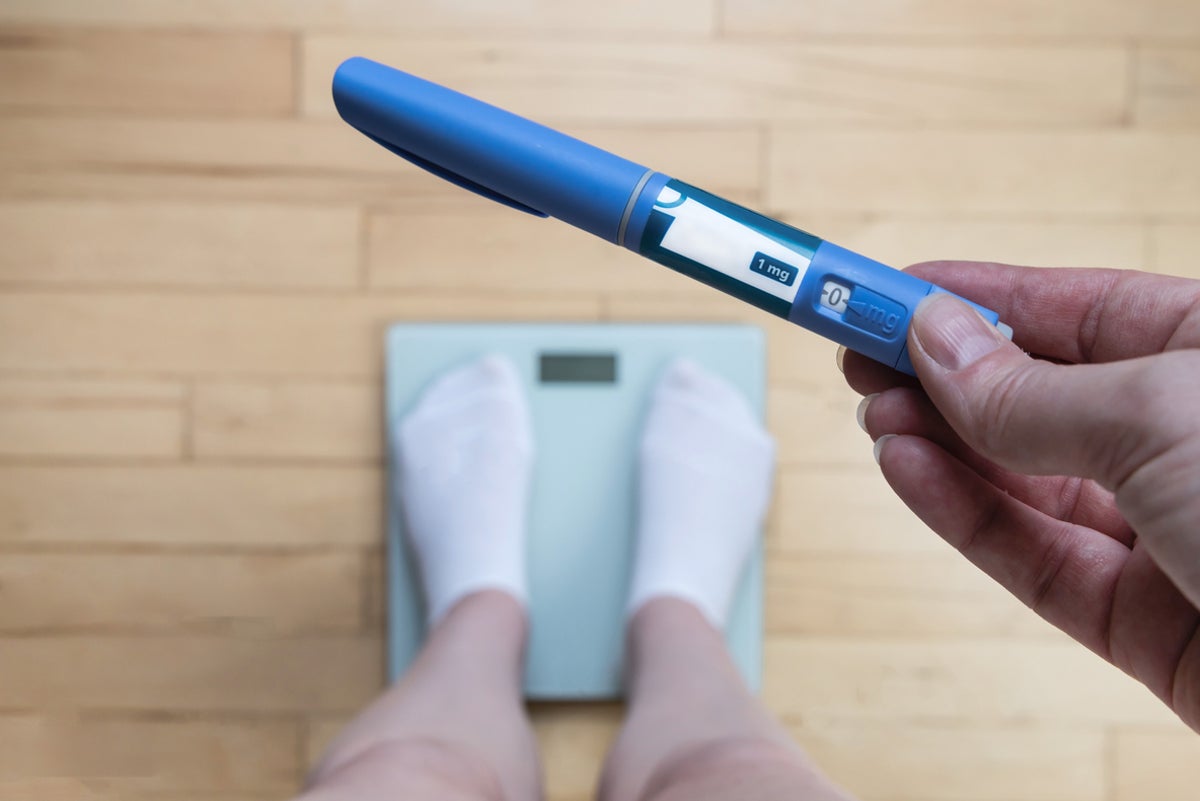
Weight loss medications have been linked to a series of surprising health issues, according to new research.
The multinational study, presented at the European Academy of Dermatology and Venereology (EADV) Congress, examined patients using the GLP-1 group of medications, which include drugs such as Ozempic, Wegovy and Mounjaro.
Researchers found that the users were more than four times more likely to suffer from nail detachment – where the fingernail peels away from the underlying bed – alongside thinning hair and inflamed scalps.
Experts have stressed that while the findings are significant, they are no reason for users to stop taking their medication without consulting a medical professional.
An estimated 1.6 million adults in the UK use, or have previously used, weight loss drugs, according to research conducted by University College London.
Scientists made the discovery while conducting the first controlled, large-scale investigation into how the therapies affect human hair, skin, and nails.
Historically, doctors routinely brushed off brittle nails and patchy hair shedding as the inevitable price of rapid weight loss.
But after examining 575 patients taking GLP-1 drugs across France, the United States, Brazil, and Mexico, researchers found that weight loss alone could not account for these side-effects.
A total of 66 per cent of GLP-1 users reported at least one nail issue, compared to 53 per cent in a control group of 1,329 non-users living with diabetes or obesity.
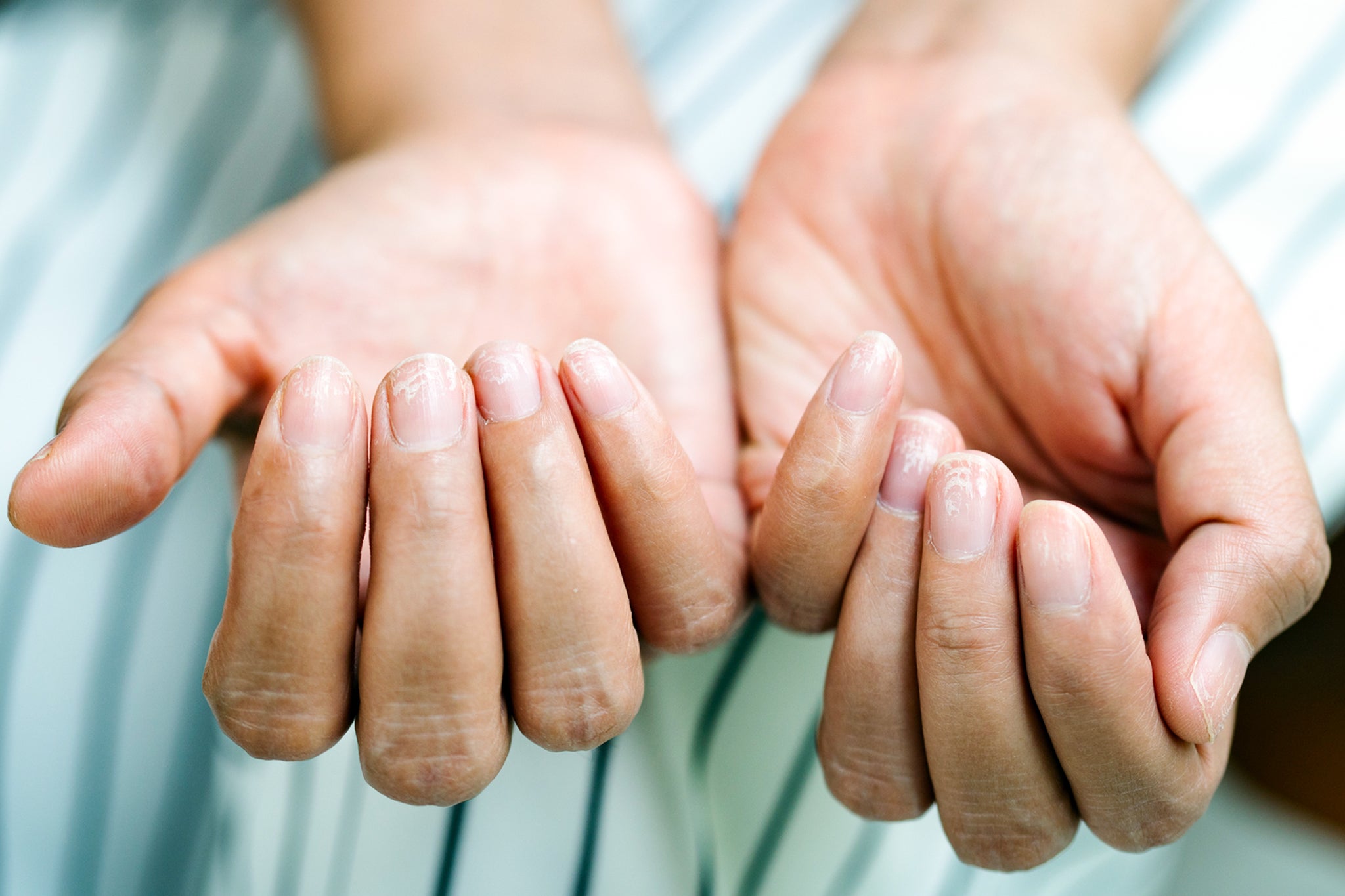
Nail detachment affected 39 per cent of those taking the medication versus 9 per cent of non-users, while 46 per cent experienced noticeable nail discolouration.
Even when scientists factored in pre-existing skin conditions, nutritional deficiencies, and body weight changes, nail detachment remained two to three times higher among GLP-1 users.
“Until now, nail changes associated with GLP-1 therapies had essentially been anecdotal,” said lead author Dr Charles Taïeb.
“Our findings show a clear association, but they also underline an important point: not everything that happens during GLP-1 treatment is necessarily caused by the treatment itself.”
A parallel study examining the same patient group identified widespread scalp symptoms that rarely appeared in isolation.
Half of all GLP-1 users reported unusual hair shedding, while 42 per cent experienced a reduction in hair volume, compared to 19 per cent of non-users.
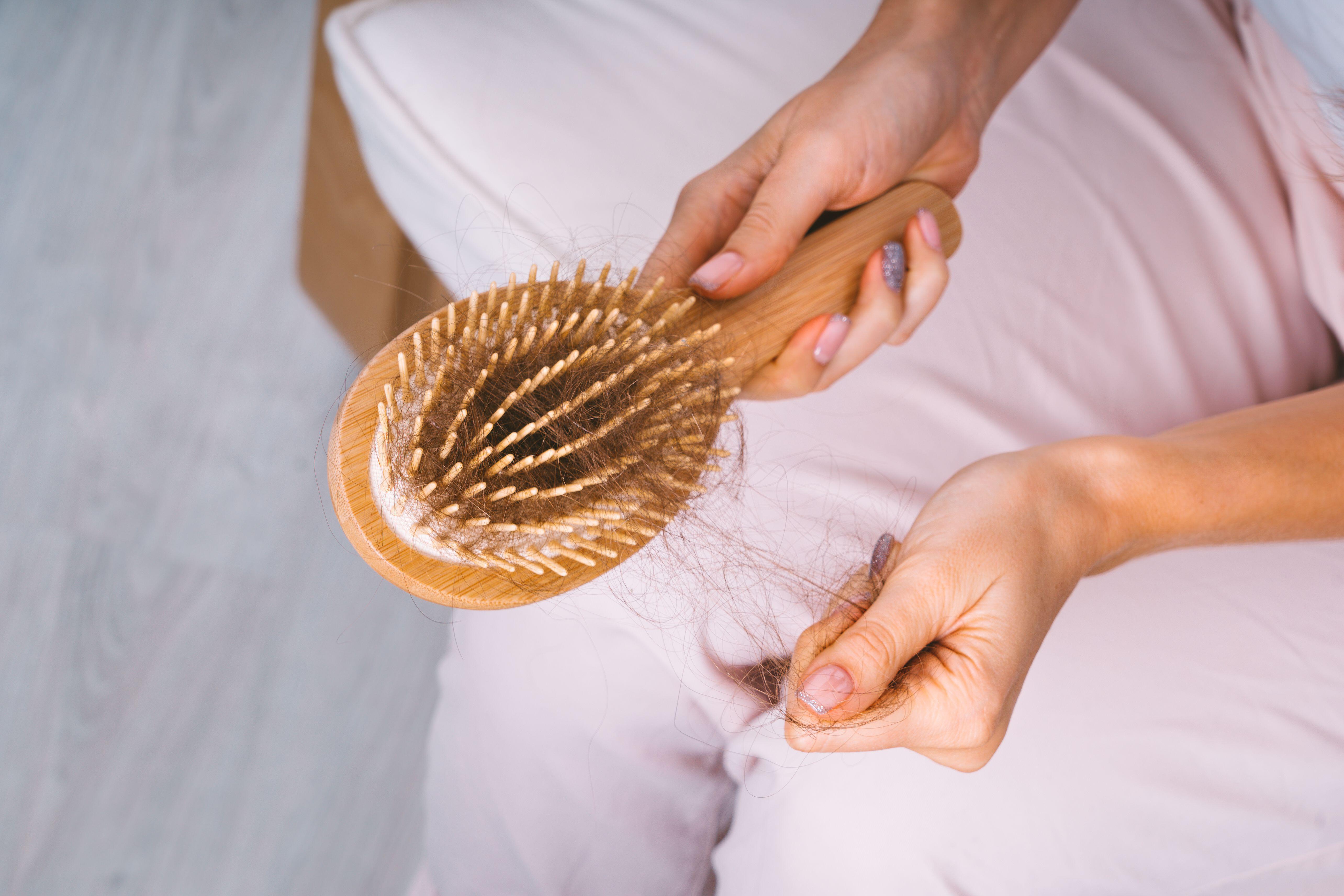
Hair loss was almost always accompanied by active scalp itching, flaking, or redness, the study found.
The presence of widespread inflammation hints that the drugs may trigger an underlying biological response in hair follicles, rather than acting purely through calorie deficits.
“This suggests that what is happening on the scalp may go beyond the classical shedding seen after rapid weight loss and involve an inflammatory component,” explained co-author Dr Bruno Halioua.
“Scalp inflammation was the rule rather than the exception, which clinicians do not currently look for and which may be treatable.”
The research team is now preparing long-term clinical trials to track patients from their very first dose, aiming to pinpoint exactly when these cosmetic side effects kick in and whether they resolve over time.
KioskNews shows a cleaned-up reading view extracted from the publisher’s page — the original always lives on their site, not ours.