10 years after workplace blast in Singapore, former migrant worker expands school he built in Bangladesh
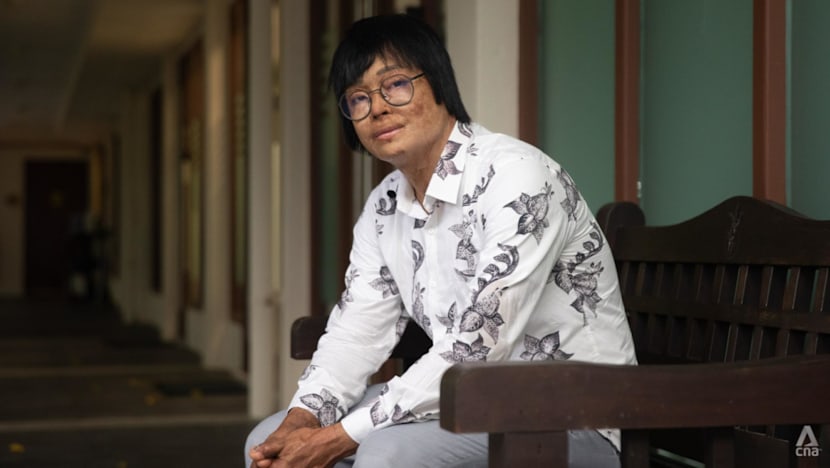
SINGAPORE: Ten years ago, a workplace explosion in Singapore left Mohammad Ataur Rahman with third-degree burns to 73 per cent of his body and loss of hearing in one ear.
“I was afraid that (it) was my last day and I was not able to survive,” he recalled.
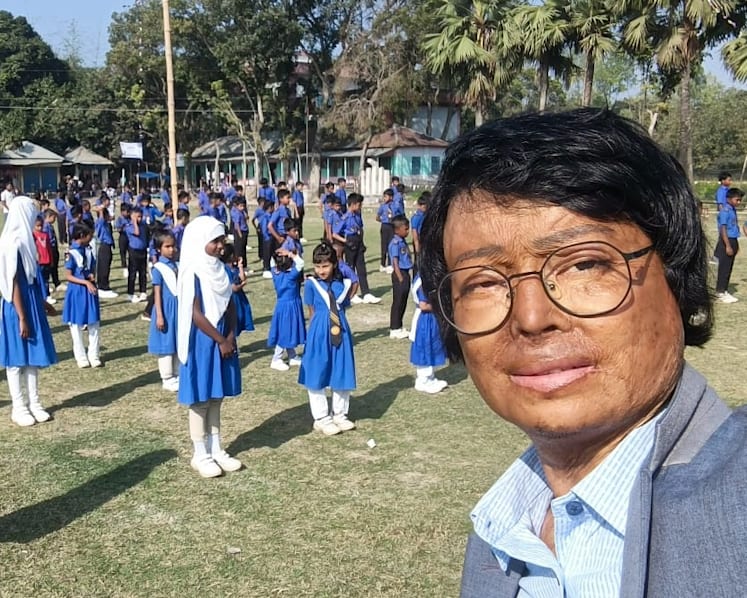
Today, the 31-year-old runs his own school in his hometown in rural Bangladesh and has recently moved its students into a bigger building with capacity for around 400 children.
Part of the compensation Mr Rahman received after the accident helped turn that ambition into reality.
Around S$30,000 (US$23,600) went towards setting up Al-Shohag Kindergarten, while another S$30,000 was used to buy the land on which its new building stands.
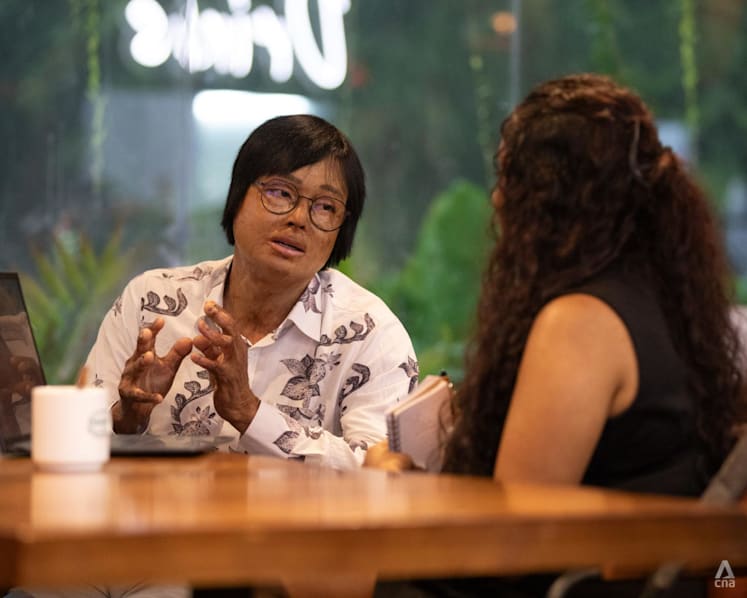
Speaking to CNA while back in Singapore for an education symposium, Mr Rahman said he hopes the expanded school will give children in his community the opportunity to continue their education - something he was unable to do.
“I don’t want anybody to leave school like myself,” he said. “I want to make sure that they are continuing (their) education.”
THE ACCIDENT
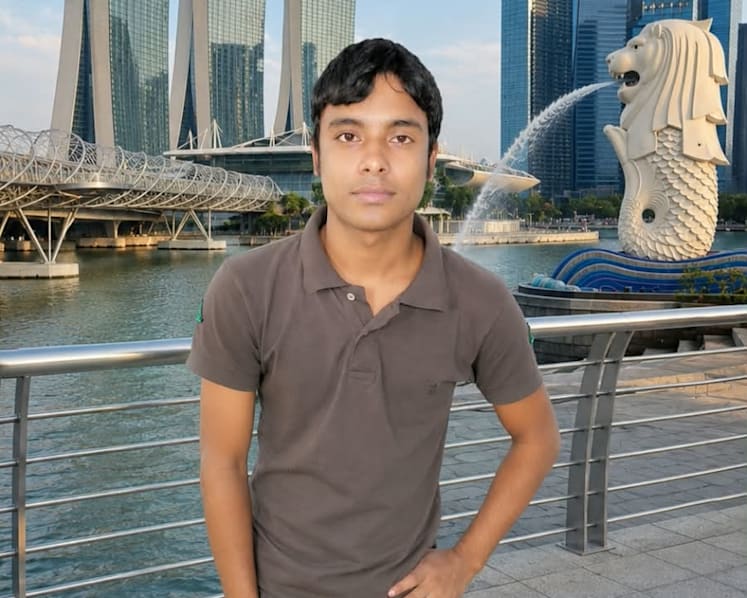
Mr Rahman first came to Singapore in 2015, after spending about S$16,000 on fees to secure work at a landscaping company.
In July 2016, then 21, he was instructed to clean an underground water tank near Sungei Tengah after a day of pruning trees.
Mr Rahman said he initially refused, but relented after his supervisor threatened to report him to his boss, who could send him home.
At the time, he was in debt and earning a basic monthly salary of S$540.
“I was afraid,” Mr Rahman said. “However hard the work is, even if I wanted to rest, I could not, because I had to keep the job.”
When he switched on a light in the tank, an explosion ripped through it. He spent three months in a coma and six months in hospital undergoing treatment, including skin grafts and reconstructive procedures.
The Ministry of Manpower (MOM) found that his employer had not conducted a risk assessment or put in place safe work procedures for cleaning the tank. Workers were also not adequately trained or informed about the risks of working in a confined space.
The company was fined S$220,000 in 2019, while Mr Rahman later received more than S$137,000 in work injury compensation.
A SCHOOL OF HIS OWN
When Mr Rahman was around 10 or 11 years old, he had to stop studying after completing primary school as his parents could not afford to send him for further education.
“I wanted to continue my education. I cried for a few days,” he recalled. “I had a hunger to learn.”
Mr Rahman began working on farms on lands his parents rented, growing rice, onions and other vegetables to help support his family.
This is "a common thing”, he said. In his village in Pabna, around 150km from Dhaka, many children leave school early to support their families.
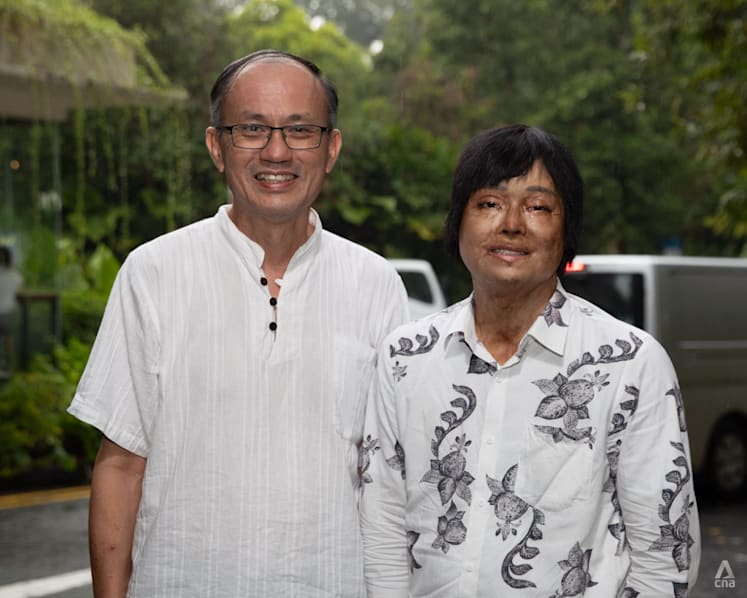
When he later decided to start a school of his own, Mr Rahman looked to Singapore for ideas. So he visited a few kindergartens in Singapore, one of which was managed by the wife of Mr Yee Jenn Jong, whom Mr Rahman met in 2019.
“He had the ambition to start a school in Bangladesh and he wanted to understand how Singapore schools are run,” the former Non-Constituency Member of Parliament told CNA.
Mr Rahman subsequently began setting up Al-Shohag, which opened in 2020 with two years of kindergarten followed by five years of primary education. The school had around 200 students each year, with 20 to 30 graduating every year.
In 2023, Mr Yee and his wife visited Al-Shohag, which means “God’s love” in Bengali, and described the experience as “eye-opening”.
“We used English to talk to them, and the students could reply us back in English,” he said, adding that he had more difficulty communicating in English with students at a nearby government-run school.
Beyond academic subjects, Al-Shohag also incorporates “vocational and practical learning”, according to its principal, Mr Munshi Shajahan.
Students take part in activities such as growing vegetables, planting trees and raising poultry, while lessons also cover areas such as garden cultivation and drainage systems, he said.
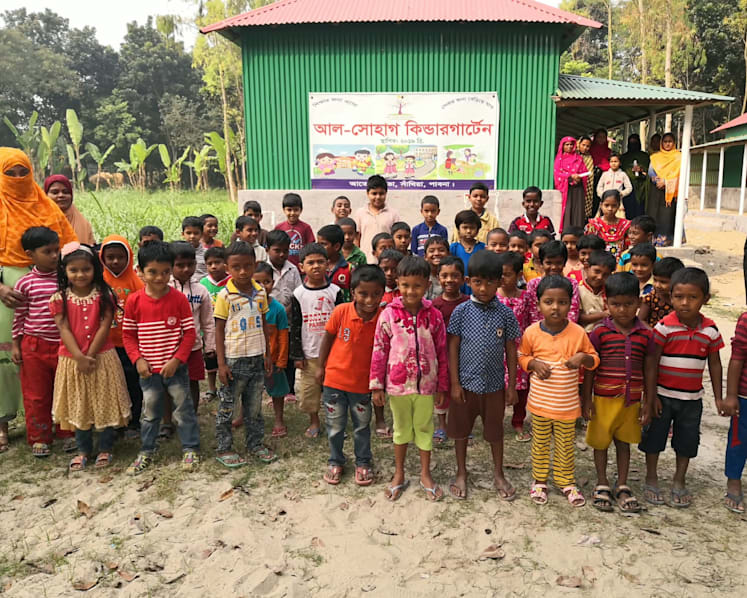
For about five years, Al-Shohag continued operating from what Mr Rahman described as a zinc-roof "hut", which eventually became too small for its roughly 200 students.
“The zinc shed became very hot during the summer time and the students sweat like (they’ve) showered,” he said.
Teaching children how to use computers was also a challenge as Mr Rahman had to bring groups of students to his home so that they could use computers there.
“I cannot put computers there because (there is) nobody there to look after,” Mr Rahman said, adding that it would be easy for people to enter the school and steal them.
A BIGGER HOME FOR AL-SHOHAG
But keeping the school running soon became a challenge. At one point, he began running short of money to keep it operating and considered returning to Singapore to work in order to fund it.
Mr Yee instead offered to help raise money for the school from people in Singapore.
“I said, ‘No, I think let me see how I can help you to organise some more active donations so that you can support the gap in the operations,’” he recalled.
Mr Yee subsequently became one of the key organisers of fundraising efforts, reaching out to friends and other groups for support.
By 2023, as Mr Rahman began making plans to replace the original school with a permanent building with better facilities, the fundraising effort expanded to help finance its construction.
Much of the S$150,000 building cost was raised from donors in Singapore.
One source of support came from a memorial fund set up by former classmates of the late Dr Matthias Quake, a dentist who befriended Mr Rahman after the accident.
The network of supporters also connected Mr Rahman with Singapore construction company Woh Hup, which Mr Yee said contributed around half of the building cost.
Many also donated used computers and books to the school.
Still, Mr Rahman sought to stretch the money raised.
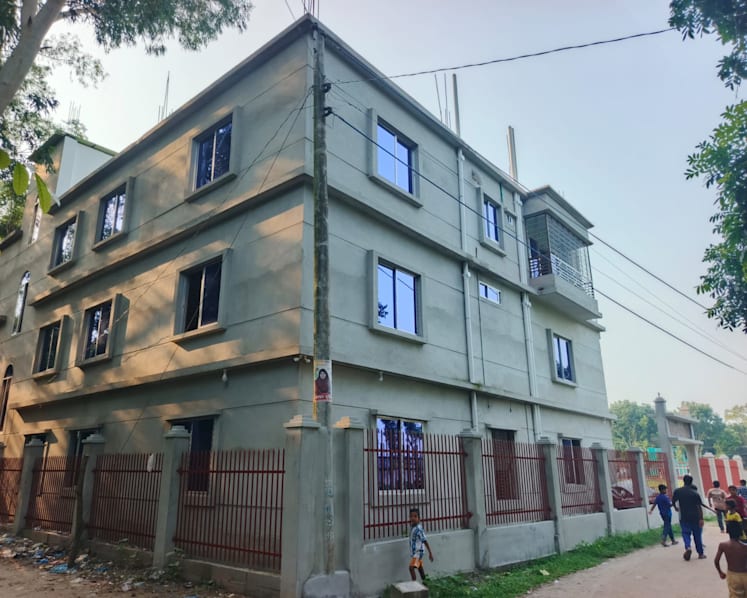
Construction companies quoted higher prices because of the village's distance from Dhaka.
To save costs, Mr Rahman bought the raw materials himself, hired workers and supervised the construction.
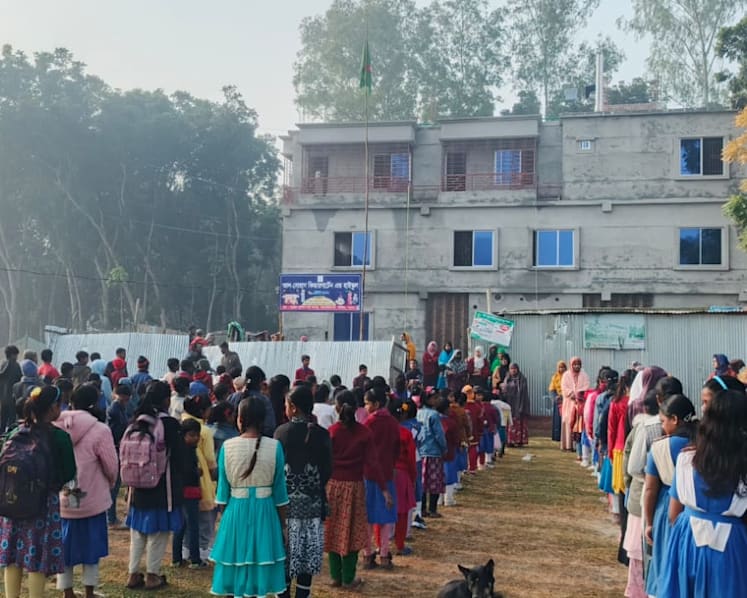
Students moved into the new three-storey building in January, although work on the school is not yet complete.
The Give Collective, a local fundraising platform, launched a campaign for Al-Shohag this month.
Ms Mindy Kaur Dhaliwal, a partnerships executive, said the campaign aims to raise S$30,000 to complete the remaining 5 per cent of work at the school. This includes furniture, library resources, fencing and solar panels.
Around 250 students attend Al-Shohag today. Parents are asked to pay about S$3 a month, but Mr Rahman said many families cannot afford even that.
Some pay less, while children whose families cannot pay are allowed to attend anyway.
“My school is not for free. As much as you can, just pay,” Mr Rahman said.
BEYOND DONATIONS
Now, Mr Rahman has to find a way to keep the school running.
Donations cover about 80 per cent of the school’s operating costs, while Mr Yee estimated that it faces a shortfall of about S$1,000 each month.
“How long can we ask people to donate to us?” Mr Rahman said. “If I start to charge higher to (students), they may not come.”
“I need a sustainable model so that our school can run,” he added.
One possibility Mr Rahman is exploring is using part of the school premises to train Bangladeshis hoping to work in Singapore, with income from the venture helping to fund Al-Shohag’s day-to-day operations.
The idea draws heavily on his own experience.
Before coming to Singapore, he underwent three months of training in Bangladesh and obtained a construction-related certificate. But after arriving here, he ended up working in landscaping instead.
“Now, I can see lots of gaps in how they train us,” he said. “They should not train us that way, they should do something more and not just look for a certificate.”
Mr Rahman said prospective workers could be taught English, workplace safety and basic job skills before coming to Singapore.
He also hopes prospective workers could eventually be matched directly with employers in Singapore, reducing their reliance on layers of middlemen and the high fees workers like him paid to get here.
“I’m hoping it will bring jobs to our community,” Mr Rahman said, adding that these workers could in turn better support their families.
He currently lives with his wife and two children on the school's third floor, part of which could eventually be used for training. There is also space on the school grounds for a shed workshop.
For now, the plan remains at an exploratory stage. Mr Rahman has yet to secure a recruitment partner in Singapore or approach MOM about it.
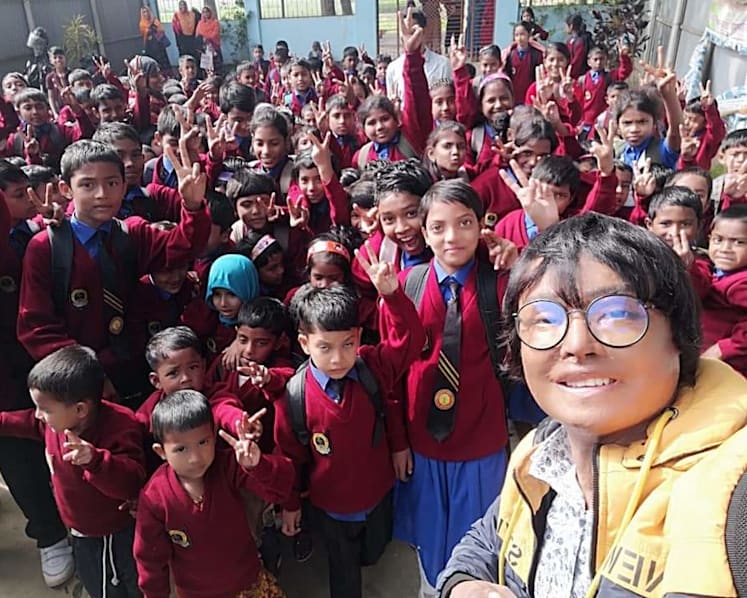
Beyond keeping the school financially sustainable, Mr Rahman has bigger ambitions for its students.
One of them went on to attend a top secondary school in the area and received a government scholarship.
“Her English is much better than mine,” Mr Rahman joked.
His dream is to eventually have 1,000 students and to see them go further in education than he was able to.
“Maybe not in 10 years, but in future, I want to see my students study in top universities in the world,” he said.
KioskNews shows a cleaned-up reading view extracted from the publisher’s page — the original always lives on their site, not ours.