Countdown until US midterm elections are over feels like waiting for war with Iran - editorial

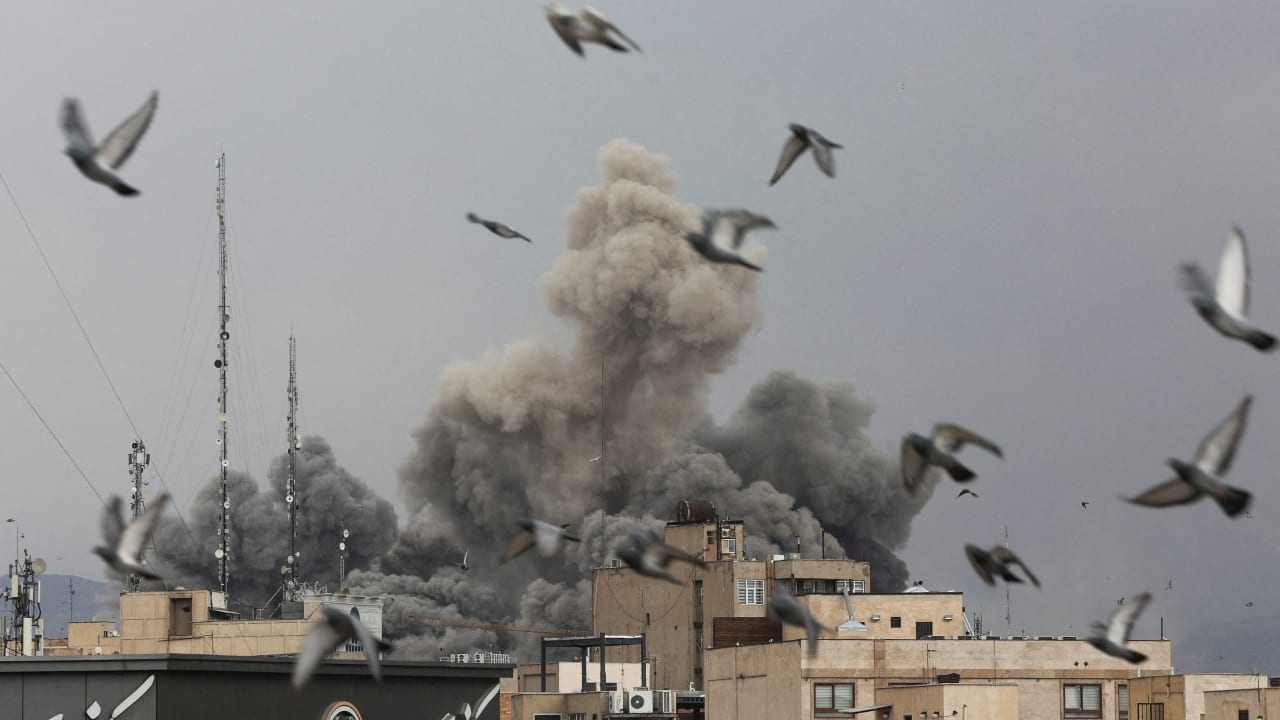
First came Israel’s election. Now Americans go to the polls on Tuesday for their midterms. Once those votes are counted, Washington and Jerusalem can return to the unfinished business of Iran.
Wednesday, 3 p.m. Dentist.
Thursday, 4 p.m. Pick up the children.
Friday, 11 a.m. Resume war with Iran.
Don’t forget to put it in your calendar.
It is a ridiculous way to discuss a war, particularly one whose consequences could be felt across the Middle East. Yet it is becoming difficult to escape the impression that renewed fighting with the Islamic Republic has been penciled into the diary, awaiting only a convenient date.
First came Israel’s election. Now Americans go to the polls on Tuesday for their midterms. Once those votes are counted, the thinking goes, Washington and Jerusalem can return to the unfinished business of Iran.
The headlines this weekend have done little to dispel that impression. On Saturday, President Donald Trump said the United States had largely destroyed Iran’s nuclear capabilities but still had “one or two sites” to deal with, including the underground facility known as Pickaxe Mountain. “We can do that in 10 minutes,” he told reporters.
Ten minutes. Barely enough time for a coffee, apparently, and sufficient to settle what remains of the Iranian nuclear question.
Electoral timetable feels like a countdown
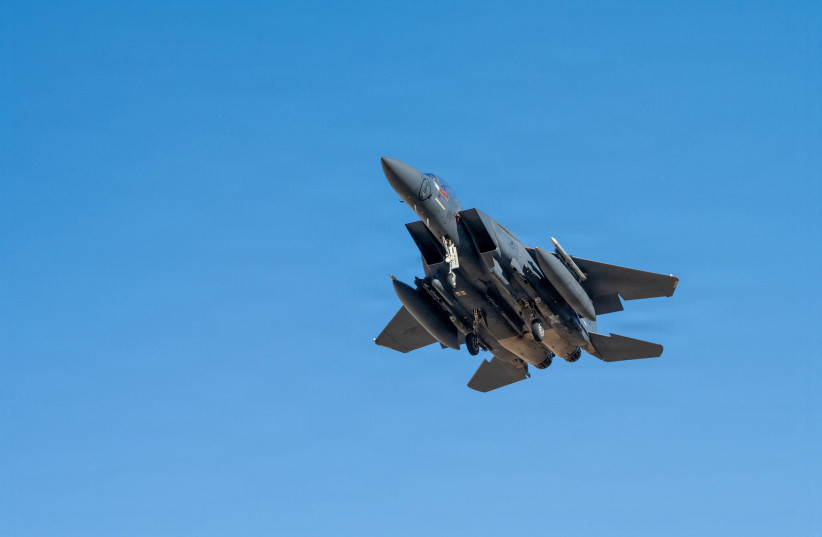
Trump also spoke with Prime Minister Benjamin Netanyahu on Saturday, amid reports of American preparations for renewed strikes. The Post reported that US military aircraft have delivered equipment to the region, while Washington and Israel continue coordinating their plans.
None of this means a strike has been ordered. Secretary of State Marco Rubio said Saturday that Trump “hasn’t made a decision” and still prefers a diplomatic solution. Trump himself said negotiations were progressing, although he questioned Tehran’s reliability. The distinction matters: military planning can be intended to strengthen diplomacy as much as to prepare for its failure.
Nevertheless, the electoral timetable is hard to ignore. Trump explicitly ruled out attacking Iran before November 3.
Reports have also described an Israeli operation contemplated for October that did not proceed amid American opposition. Whether these accounts capture every consideration behind the decisions is another matter. But the public message has been unmistakable: there are dates on which war is apparently less convenient than others.
Of course, governments must weigh domestic political circumstances before committing their countries to military action.
Democracies cannot operate in a vacuum, and leaders have an obligation to consider the public they represent. There is, however, something deeply uncomfortable about the suggestion that an Iranian nuclear facility can remain an intolerable danger on Monday but become a suitable target only after Tuesday’s ballots have been cast.
Countdown seems to downplay importance of the decision
Iran’s threat is not imaginary. Its nuclear ambitions, ballistic missiles, support for armed proxies, and repeated threats against Israel have given successive Israeli governments ample reason for concern. Tehran’s leaders have also made clear that further attacks would invite retaliation, potentially against American allies and civilian infrastructure throughout the region. Israelis know well that even successful operations can carry a heavy price at home.
That is precisely why the conversation should be more serious than the current countdown suggests. What, exactly, would another campaign achieve? Is the objective to destroy the remaining nuclear infrastructure, prevent Iran from rebuilding its missile arsenal, force a credible agreement, or create conditions in which Iranians themselves can finally determine their country’s future?
These objectives overlap, but they are not interchangeable. A 10-minute strike might destroy a facility. It cannot, by itself, resolve the political and strategic problem posed by the Islamic Republic. Nor should anyone assume that Tehran will respond according to the timetable Washington prefers.
Civilians deserve to know impacts of what leaders are preparing
For the Iranian people, who have endured repression, economic hardship, and the regime’s brutality, this is considerably more than a discussion about American polling dates. For Israelis, too, the stakes are measured in lives, not campaign cycles.
Israel must retain the freedom to act against genuine threats, and the United States must not allow Tehran to use negotiations indefinitely as cover for rebuilding its capabilities. But decisions of such consequence require clear objectives, sober judgment, and an honest explanation of the risks.
The public deserves to know whether leaders are preparing a limited operation, a prolonged confrontation, or another round whose ending nobody can confidently predict.
The calendar may tell us when the elections are over. It cannot tell us when war is necessary, still less when it will end.
KioskNews shows a cleaned-up reading view extracted from the publisher’s page — the original always lives on their site, not ours.