Caretaker role will limit Netanyahu though he’ll retain war powers, as possible Iran attack looms

Benjamin Netanyahu is expected to face more constraints as Israel’s caretaker prime minister after Tuesday’s election, but experts say his government could still retain significant powers, including when it comes to waging war on Iran.
Neither Netanyahu’s right-wing coalition nor the Zionist opposition bloc led by former military chief Gadi Eisenkot is set to win a majority in the 120-seat Knesset, according to an official count of 85 percent of the votes. Eisenkot has acknowledged the prime minister was still in office as a caretaker, but urged heads of the security forces to resist attempts by Netanyahu to “use Israel’s security for [his] own political ends.”
Eisenkot’s statement came against the backdrop of reports that IDF chief Eyal Zamir had resisted a push by Netanyahu to strike Iran before Tuesday’s election. Speculation has continued that Netanyahu may order an attack on Iran during the period following the vote.
0:00 / 0:00
Promoted: Z3 2026

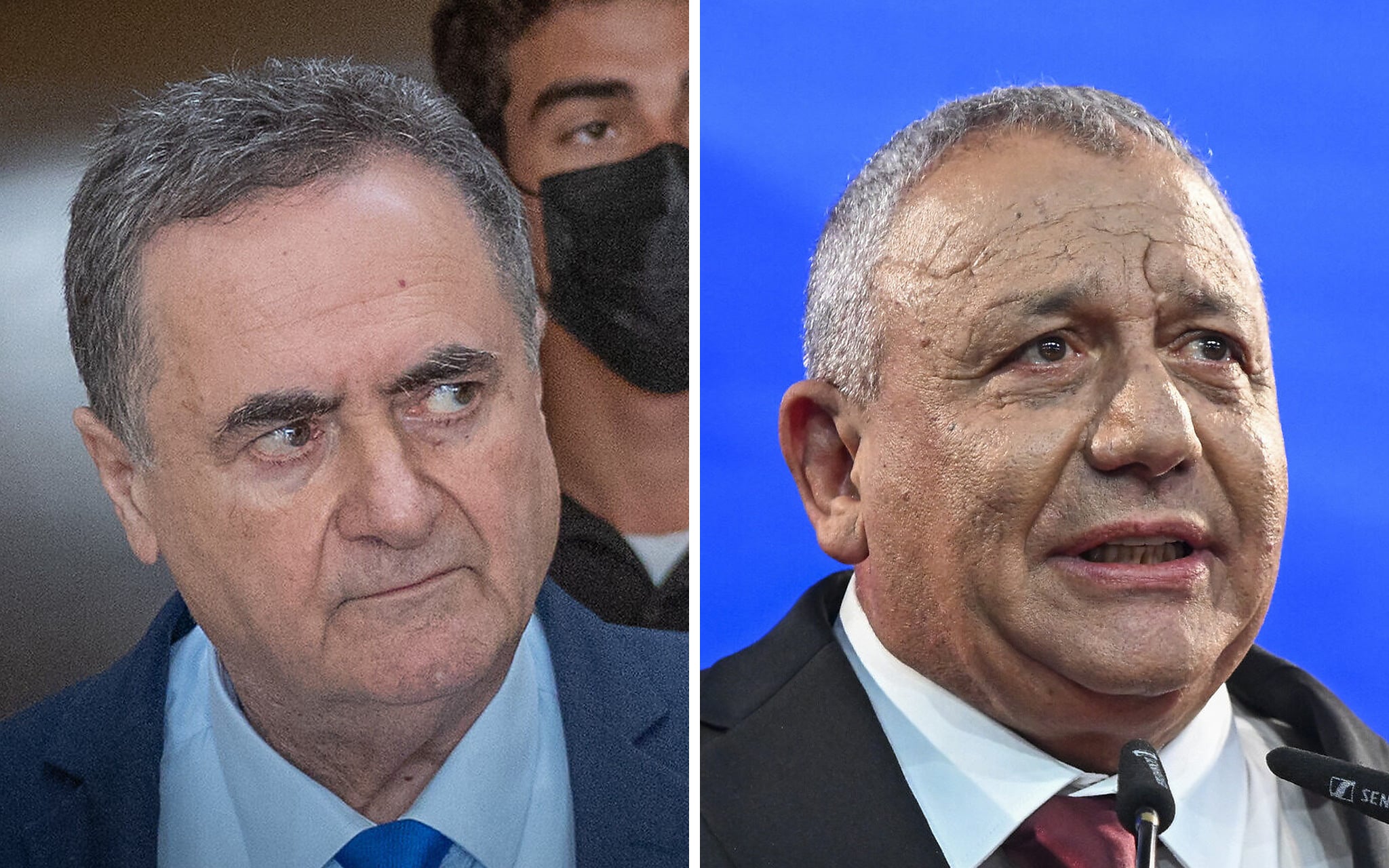
Defense Minister Israel Katz, a close Likud party ally of Netanyahu, on Wednesday slammed Eisenkot.
“His appeal to senior IDF officials not to obey directives from the prime minister, me, and the established security forums ‘because they have backing from him’ is an undemocratic and detached statement,” Katz wrote on X, calling the remark “a continuation of the campaign of lies that [Eisenkot] and his friends have run in the election on the topic of purported clashes between the political and military leadership regarding Iran.”
Get The Times of Israel's Daily Edition by email and never miss our top stories
By signing up, you agree to the terms
He added: “The IDF is a full partner in the significant achievements versus Iran, and is a partner currently in all of the discussions — and will carry out any decision that is necessary.”
Netanyahu’s office has previously rejected accusations that he is using the Iran conflict for political gain. His office did not immediately return a request for comment on Wednesday.
“If you look at the letter of the law, a caretaker government has the same authority, has the same powers as a regular government,” said Guy Lurie, a research fellow at the Israel Democracy Institute, adding, however, that a caretaker government “has a duty of restraint” and more limited discretion to act in some areas.
A caretaker government faces limitations when it comes to issues such as appointments, but has leeway to act in matters where there is a public interest, analysts say.
“In general, security issues are the clearest exception to this duty of restraint,” said Or Asher, a researcher at the Tel Aviv-based Tachlith Institute, noting the Supreme Court has previously held that a caretaker government must avoid far-reaching decisions unless they are justified by a pressing necessity.
“The Supreme Court has historically avoided intervening in decisions to go to war, and parliamentary oversight is at its thinnest in the weeks after the new Knesset convenes and before its committees are formed,” Asher said, adding that “a caretaker prime minister can legally take Israel to war, including against Iran.”
After the final tally is in, President Isaac Herzog is expected to consult party leaders and then tap the candidate he believes has the best chance of forming a government, with the nominee then getting at least 28 days to establish a coalition.
Is our live election coverage important to you?
Are you relying on The Times of Israel for accurate and timely coverage of the 2026 Israeli election? If so, please join The Times of Israel Community. For as little as $6/month, you will:
- Support our independent journalists who are working around the clock to report political developments as they unfold;
- Read ToI with a clear, ads-free experience on our site, apps and podcasts; and
- Gain access to exclusive content shared only with the ToI Community, including our DocuNation streaming film series and weekly letters from founding editor David Horovitz.
Join The Times of Israel Community JOIN NOW Already a member? Sign in to stop seeing this
KioskNews shows a cleaned-up reading view extracted from the publisher’s page — the original always lives on their site, not ours.