What trap? US-China relations show conflict is far from inevitable
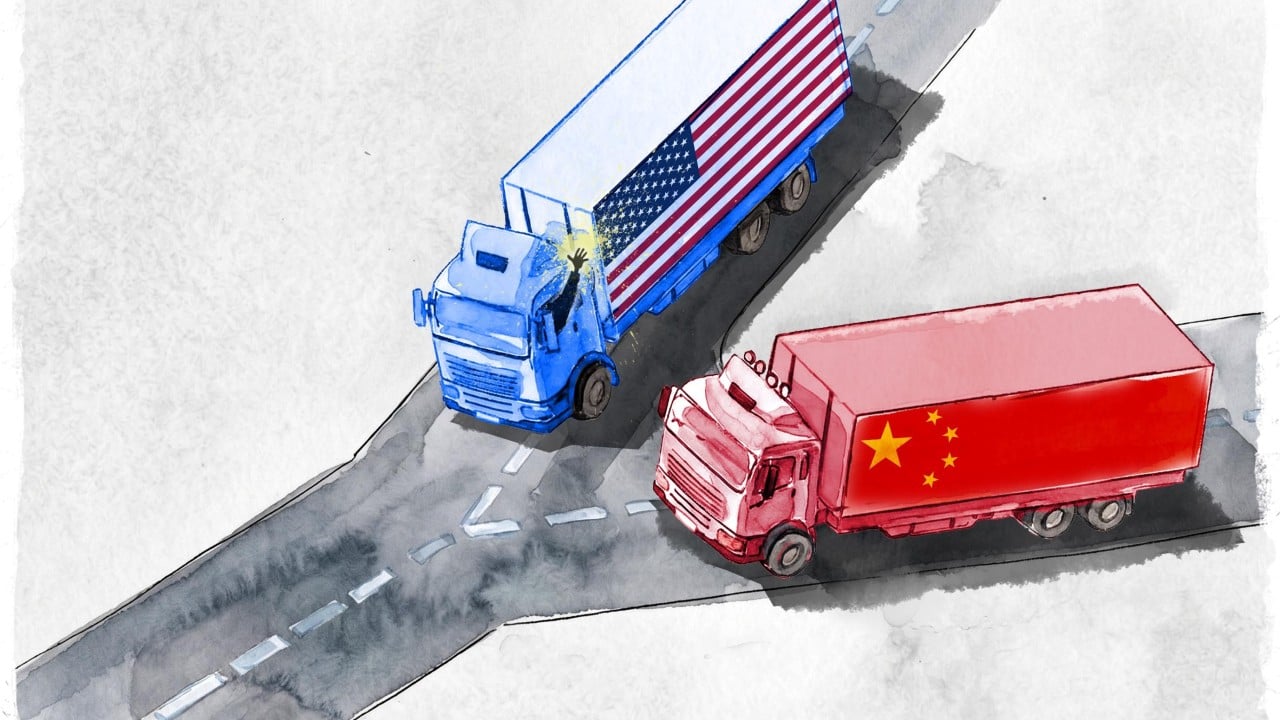
For a decade, foreign policy circles have treated war between the United States and China as something close to destiny. The theory has a fancy, fashionable name borrowed from ancient Greece: the “Thucydides Trap” – the idea that a rising power and an established one are fated to collide, the way two articulated lorries merging into a single lane rarely ends well.
The term is widely used in commentaries on US-China relations. Frictions get written off as “inevitable” regardless of what actually happened. But a closer look at how the two governments behave, not just how pundits describe them, tells a different story. Both sides are, for now, choosing the diplomatic equivalent of indicating before they change lanes.
Any analysis about power transition has to start with power itself, so here is where the two superpowers stand at the moment. By market exchange rates, the US economy was worth about US$30.6 trillion in 2025 against China’s US$19.4 trillion, putting China’s economy at roughly 63 per cent of the size of the US.
KioskNews shows a cleaned-up reading view extracted from the publisher’s page — the original always lives on their site, not ours.