How Hong Kong can turn 30,000 youth placements into lasting careers
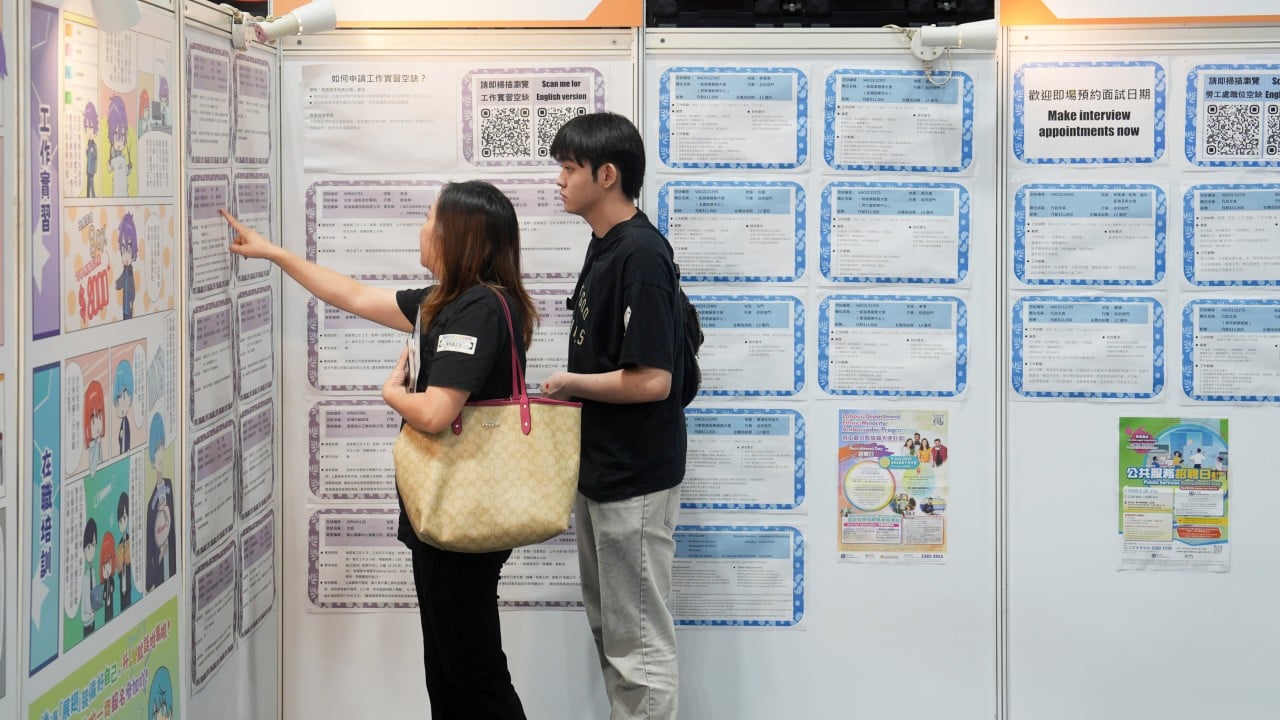
Hong Kong will launch a 30,000-place youth employment and internship programme in the first quarter of 2027. Before applications open, the government should decide what it is buying: a temporary increase in headcount or a durable increase in professional capability.
The distinction matters because the entry-level labour market is already changing. According to an annual survey by Baptist University, the starting-pay advantage of bachelor’s degree holders over sub-degree graduates narrowed by 17 per cent, from HK$3,000 last year to HK$2,500 this year (US$380 to US$320).
Chief Executive John Lee Ka-chiu’s latest policy address offers a response on an appropriate scale: 30,000 places over two years, including 10,000 subsidised full-time entry-level jobs. The Financial Services Development Council (FSDC) will coordinate 1,000 internships in financial services. The programme could become workforce infrastructure for an AI-intensive economy, provided every person taking up a subsidised place passes an apprenticeship test.
Last month, city innovation officials described a four-step AI “talent ladder”: widening access to the technology, turning learners into innovators, connecting research with industry and building supportive infrastructure. Those steps develop the supply of technical capability. The placement programme addresses the next transition, from knowing how to use a tool to exercising responsibility in a real workplace. Its relevant outputs are supervised performance and progression into sustained work.
Two placements can look identical, at the level of the headline count. Consider a placement that gives a graduate six months of subsidised, routine work, and another that provides a named mentor, assessed responsibility and a pathway to an unsubsidised job. Only the second kind would expand Hong Kong’s talent base. Four tests would distinguish between them.
The first test is added value. An employer should state what new role, training capacity or pathway the subsidy creates. A publicly supported trainee should not replace an existing junior employee or become the latest occupant of a permanently subsidised seat. Employers could submit baseline junior staffing figures and report changes during the support period. The aim is to expand the supply of trained workers, not reshuffle payroll costs.
08:53
Hong Kong graduates face gloomiest job outlook in 5 years
The second test is supervised practice. Each placement should have a named mentor, protected supervision time and a short plan linking assignments to competencies. In an AI-assisted workplace, the trainee’s responsibilities should include checking sources, documenting uncertainty, escalating exceptions and explaining recommendations.
For regulated work, the plan should identify where junior verification ends and qualified senior responsibility begins. These requirements turn a job description into a learning contract.
The third test is progression. Course attendance and software usage reveal little about whether someone is becoming employable without public support. Participants should complete an assessment based on work they did, errors they detected and reasoning they can defend. Employers should report whether each participant completes the placement, moves into an unsubsidised position and remains employed six and 12 months later.
The fourth test is value for public money. Wage support should be released in stages: an initial payment when a compliant placement begins, a second payment after verified completion and a retention payment when the participant moves into continuing unsubsidised work.
Front-loaded support rewards recruitment; staged support rewards training and progression. Safeguards should permit repayment or exclusion from future rounds if employers repeatedly cycle trainees through the same role without retaining or advancing them.
Hong Kong can administer these tests through institutions that already monitor professional development. The Hong Kong Institute of Certified Public Accountants requires practical experience records and annual signoffs. The Law Society of Hong Kong registers two-year trainee solicitor contracts.
12:18
What is the outlook for China’s fresh graduates in an already crowded job market?
The Hong Kong Institute of Bankers administers the Hong Kong Monetary Authority’s competency framework. These existing templates can inform common standards for mentoring, evidence and signoffs without imposing one training model on all occupations.
Smaller employers will need a workable route to the programme. They could join sector-based consortiums that share an external mentor accredited by the relevant professional body, along with assessment support and administrative reporting.
This would preserve access for local firms that offer valuable work but cannot maintain a large human resources or training department. The consortium should support supervision; responsibility for the quality of each placement should remain with the employer receiving the subsidy.
The government should publish a compact outcomes dashboard by sector and employer size. It should show places started, mentoring hours delivered, completion rates, assessment results and unsubsidised employment at six and 12 months. The government unit administering the programme could conduct random audits with the FSDC and relevant professional bodies, which would set sector-specific mentoring and assessment standards.
Confidential participant feedback would test whether documented supervision occurred in practice. Reporting aggregated results would allow the public to judge programme performance without turning individual trainees into league-table entries. It would also reveal which sectors convert public support into lasting careers and which require a different design.
By 2029, the success of the programme should be seen in how many participants can demonstrate sound judgment, assume greater responsibility and remain employed without subsidy. Meeting those targets would turn a temporary jobs initiative into part of the workforce infrastructure Hong Kong’s AI economy needs.
KioskNews shows a cleaned-up reading view extracted from the publisher’s page — the original always lives on their site, not ours.