10 Greatest Books of the Last 20 Years, Ranked

Michael Block is a 14 time GLAM Award nominated writer, producer, and host of the podcast Block Talk. Throughout his time in the entertainment industry, he has worked on and off Broadway as a stage manager, written several produced plays, critiqued hundreds of theatrical performances, drag and cabaret shows, and has produced events randing from drag competitoons to variety concerts!
On Block Talk, he interviews nightlife personalities, covers the wide world of entertainment through features, ranking episodes, and recaps ALL of Drag Race, as well as Dragula and Survivor. He has interviewed hundreds of RuGirls that span the globe at DragCon NYC, DragCon LA, and DragCon UK.
In his free time, he makes one-of-a-kind jewelry and gift baskets with his mom. He is a proud member of the LGBTQ+ community.
Sign in to your Collider account
When we watch films and TV, it can be a personal experience, but oftentimes, we share it with other people watching alongside us. Reading books, on the other hand, can be a bit more personal. The experience of holding a tactile work of art in our hands gives us the gift of escaping to a descriptive world where we can imagine the place on the page in our minds.
Over the past 20 years, there have been some sensational books that have shaped storytelling. From mind-blowing science fiction thrillers to classic period dramas, these books have transformed literature. Some have remained on the page, while others have taken the leap into live-action adaptations. Though there are certainly countless novels that could have been swapped in, these 10 titles represent a brilliant mix of fan-favorites and award winners. What is your favorite book of the last 20 years?
10 'The Hunger Games' by Suzanne Collins (2008)

Very few books have made such a profound impact on pop culture as The Hunger Games did. Written by Suzanne Collins, the first book in the young adult dystopian series depicts a futuristic nation called Panem, where the cruel governing city, the Capitol, rules over 12 poor, starving districts. Every year, one boy and one girl are selected from each district as "tributes" to compete in a televised fight to the death. After Katniss Everdeen volunteers as tribute in the place of her sister, she must choose between survival and her own humanity. The Hunter Games combines a fast-paced survival thriller with rich social commentary on the media, propaganda, and authoritarian rule.
The Hunger Games serves as an entertaining yet biting critique of how the media can desensitize people to real-world suffering and violence. Collins paints a visceral portrait of a terrifying dystopia. Through quick chapters, constant tension, and an intimate first-person perspective, the high-stakes narrative keeps you glued to the page. Katniss emerged as a genuine heroine and inspiration who was forced to make difficult choices, becoming an atypical hero. The Hunger Games' ability to shift its target audience and cast a wider net demonstrated its cultural relevance and accessibility. Launching a major media franchise, The Hunger Games is the greatest representation of the 21st century.
9 'All the Light We Cannot See' by Anthony Doerr (2014)
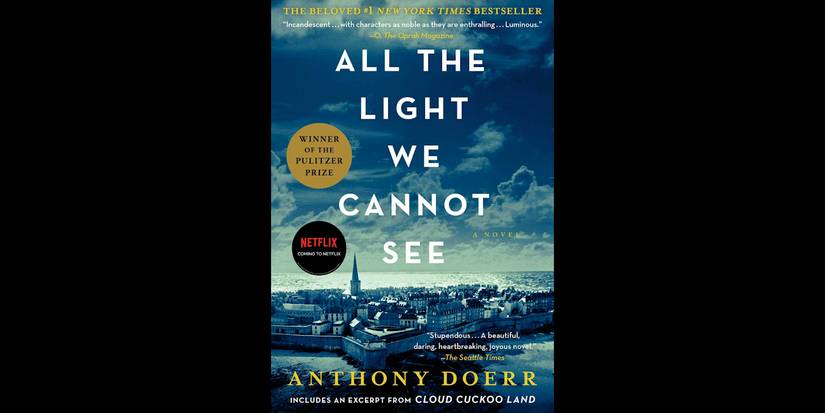
One of the most profound works of historical fiction from the last 20 years is Anthony Doerr's deeply moving All the Light We Cannot See. The Pulitzer Prize-winning novel set during World War II follows a blind French girl named Marie-Laure LeBlanc and an orphan boy named Werner Pfennig, whose parallel lives converge in the coastal city of Saint-Malo. Through their connection via a clandestine radio broadcast, All the Light We Cannot See is a deeply emotional story that brings a sensory richness to the page as it depicts how war can dampen the simple dreams of young ones. Serving as the perfect text for a limited series, All the Light We Cannot See is simply perfect.
All the Light We Cannot See is a sensational narrative that showcases the loss of innocence set against a harrowing backdrop. And yet, it's the acts of kindness and immense bravery that shine brightest. Through short chapters, Doerr flips back and forth between perspectives to tell Werner and Marie-Laure's tale for maximum suspense. With lyrical prose, the text is rich in imagery, truly crafting a tangible physical world through sound, texture, and smell. Doerr weaves scientific fascination through motifs of nature and radio waves, using them as metaphors for the power of human connection. Rather than depicting the characters with broad strokes, All the Light We Cannot See examines how young minds are shaped by their surroundings. World War II may be the dark, overarching cloud, but the novel is celebrated for its ability to elicit empathy in individuals on opposing sides.
8 'Station Eleven' by Emily St. John Mandel (2014)
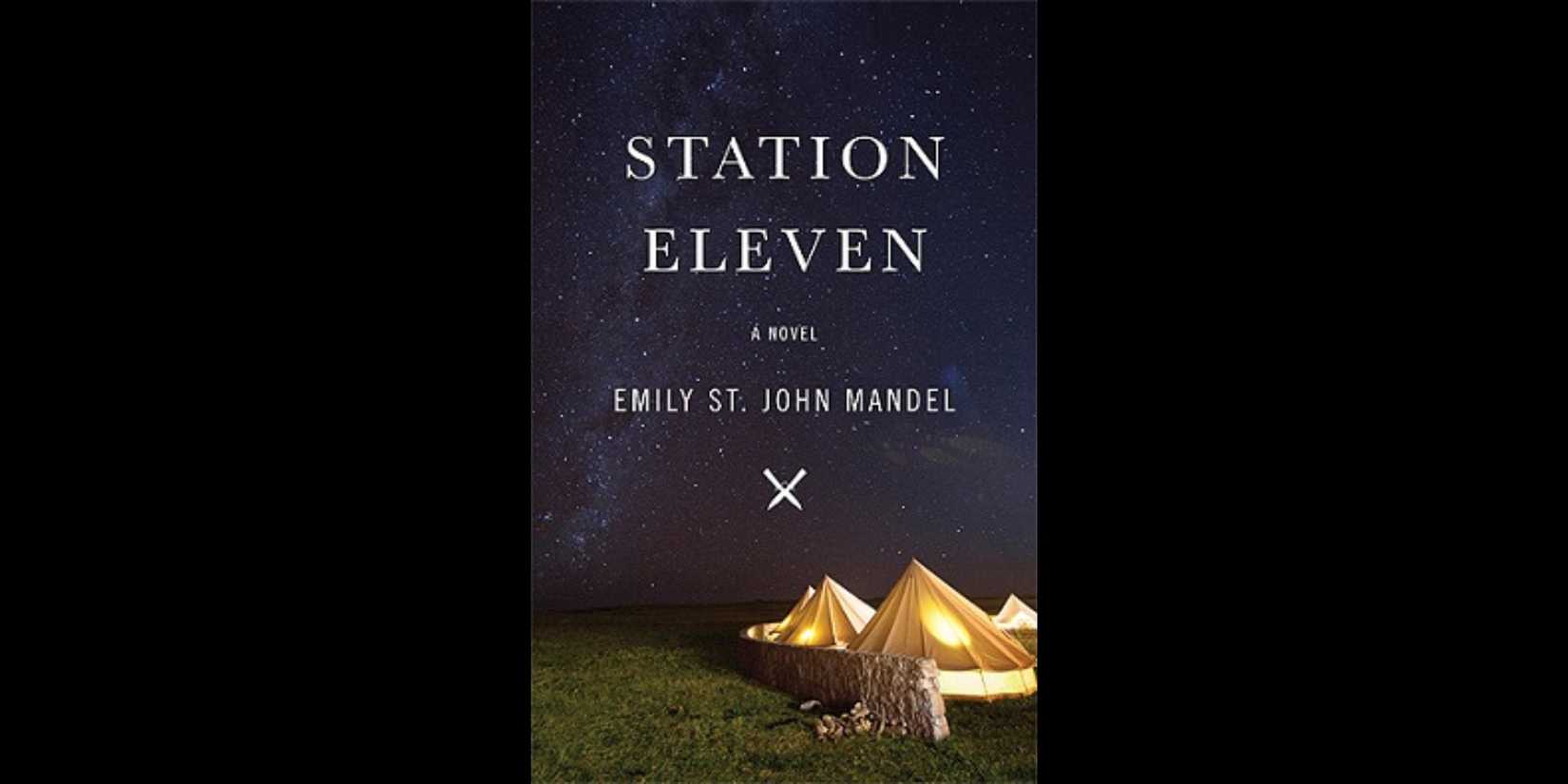
A novel that has emerged as a timeless classic, Station Eleven by Emily St. John Mandel depicts a post-apocalyptic world in which a devastating flu pandemic, the Georgia Flu, wiped out nearly 99% of the planet's population. Moving back and forth in time, Station Eleven centers on the Traveling Symphony before the collapse and the survivors decades later. As the troupe encounters a dangerous, violent self-proclaimed prophet in an outpost, they fight to survive while keeping art, humanity, and connection alive. Linked together through their ties to Arthur Leander, Station Eleven explores the fragility of celebrity and how human relationships sustain people through difficult times.
Avoiding the bleak dystopian clichés, Mandel writes a story where culture, beauty, and memory define humanity. Moving through the collapsing present and the flourishing past, Station Eleven allows the intersecting vignettes to showcase the evolution of ordinary lives. Through stunning poeticism, Mandel uses the motto "survival is insufficient" to argue that the arts keep us afloat during the bleakest moments of our lives. With a large cast of characters, each character helps explore themes of personal grief, regret, communication, and memory through a common thread. A tender examination of the things we cherish, the things we lose, and the hope of rebuilding, Station Eleven is a remarkable novel that translated efficiently into a limited series.
Collider Exclusive · Sci-Fi Survival Quiz Which Sci-Fi World Would You Survive? The Matrix · Mad Max · Blade Runner · Dune · Star Wars
Five universes. Five completely different ways the future went wrong — or sideways, or up in flames. Only one of them is the world your instincts were built for. Eight questions will figure out which dystopia, galaxy, or desert wasteland you'd actually make it out of alive.
💊The Matrix
🔥Mad Max
🌧️Blade Runner
🏜️Dune
🚀Star Wars
01
You sense something is deeply wrong with the world around you. What do you do? The first instinct is often the truest one.
02
In a world of scarcity, what resource do you guard most fiercely? What we protect reveals what we believe survival actually requires.
03
What kind of threat keeps you up at night? Fear is useful data — if you're honest about what you're actually afraid of.
04
How do you deal with authority you don't trust? Every dystopia has a power structure. Your approach to it determines everything.
05
Which environment could you actually endure long-term? Survival isn't just tactical — it's physical, psychological, and very much about where you are.
06
Who do you want in your corner when things fall apart? The company you keep is the clearest signal of who you actually are.
07
Where do you draw the line — if you draw one at all? Every survivor eventually faces a moment that tests what they're actually made of.
08
What would actually make survival worth it? Staying alive is one thing. Having a reason to is another.
Your Fate Has Been Calculated You'd Survive In…
Your answers point to the world your instincts were built for. This is the universe your temperament, your survival instincts, and your particular brand of stubbornness were made for.
The Matrix
You took the red pill a long time ago — probably before anyone offered it to you. You're a systems thinker who can't help but notice the seams in things.
- You're drawn to understanding how the system works before figuring out how to break it.
- You'd find the Resistance, or it would find you — your instinct for spotting constructed realities is the machines' worst nightmare.
- You function best when you have access to information and the freedom to act on it.
- The Matrix built an airtight prison. You'd be the one probing the walls for the door.
Mad Max
The wasteland doesn't reward the clever or the well-connected — it rewards those who are hard to kill and harder to break. That's you.
- You don't need comfort, community, or a cause larger than the next horizon.
- You need a vehicle, a clear threat, and enough fuel to outrun it — and you're good at all three.
- You are unsentimental enough to survive that world, and decent enough — just barely — to be something more than another raider.
- In the wasteland, that distinction is everything.
Blade Runner
You'd survive here because you know how to exist in moral grey areas without losing yourself completely.
- You read people accurately, keep your circle small, and ask the questions others prefer not to answer.
- In a city where humanity is a legal designation rather than a feeling, you hold onto something that keeps you functional.
- You're not a hero. But you're not lost, either.
- In Blade Runner's world, that distinction is everything.
Dune
Arrakis is the most hostile environment in the known universe — and you are precisely the kind of person it rewards.
- Patience, discipline, and political awareness are your core strengths — and on Arrakis, they're survival tools.
- You understand that the long game matters more than any single victory.
- Others come to Dune and are consumed by it. You'd learn its logic and earn its respect.
- In time, you wouldn't just survive Arrakis — you'd begin to reshape it.
Star Wars
The galaxy far, far away is vast, loud, and in a constant state of violent political upheaval — and you wouldn't have it any other way.
- You find meaning in being part of something larger than yourself — a cause, a crew, a rebellion.
- You'd gravitate toward the Rebellion, or the fringes, or whatever pocket of the galaxy still believes the Empire's grip can be broken.
- You fight — not because you have to, but because standing aside isn't something you're capable of.
- In Star Wars, that willingness is what makes all the difference.
7 'The Warmth of Other Suns' by Isabel Wilkerson (2010)

The winner of the National Book Critics Circle Award, The Warmth of Other Suns is a work of historical nonfiction that explores the Great Migration. Written by Isabel Wilkerson, the book examines how the mass movement shaped American culture, politics, and geography as the decades-long exodus of nearly six million Black Americans departed the Jim Crow South between 1915 and 1970. The sweeping history uses three interwoven narratives: sharecropper Ida Mae Gladney, who left Mississippi for Chicago in 1937; George Starling, who left the danger of Florida for Harlem in 1945; and surgeon Robert Foster, who drove from Louisiana to California in 1953.
Through exhaustive research, Wilkerson uses an often-overlooked moment in history to portray a deeply intimate and emotional story of humanity. The Warmth of Other Suns shows how Northern and Western cities were also segregated, proving that racism was a national problem, not just one stuck in the South. The Pulitzer Prize-winning journalist provided incredible detail through historical context while treating it with immense empathy. By honoring the dignity of her subjects and the profound risks they took, The Warmth of Other Suns satisfies history buffs as well as the casual reader. The book is so beloved that President Barack Obama credited it with widening the national conversation on race.
6 'Wolf Hall' by Hilary Mantel (2009)

Henry VIII has always been a juicy topic to explore, but what about others in his orbit? Hilary Mantel's Booker Prize-winning novel Wolf Hall explores Thomas Cromwell's rapid ascent to power in the court of Henry VIII through the death of Sir Thomas More. The sympathetic fictionalized biography depicts the brilliant, low-born Cromwell as the political fixer who helps maneuver the king through the perilous politics of the Tudor court while orchestrating the downfall of his political rivals. Written in the present tense and in lyrical prose, Wolf Hall uses deep psychological realism to bring history to life once again.
Wolf Hall is a deeply human portrait of a fascinating historical figure. Mantel reconfigures the Tudor era by putting the action through the perspective of Henry's pragmatic chief minister. From an underdog rise to a charming reformer and ruthless survivor, Wolf Hall corrects old biases to ensure readers see him as an intelligent mind. Mantel's descriptive detailing of the 16th century and ability to humanize politics ensured a high-stakes political thriller that avoids feeling like a textbook. Mantel's book has been adapted for the stage by the Royal Stage Company, as well as for television series, starring the likes of Mark Rylance, Damian Lewis, Claire Foy, and Tom Holland.
5 'The Road' by Cormac McCarthy (2006)

Earning the Pulitzer Prize, The Road by Cormac McCarthy is a blistering, familiar story set in a post-apocalyptic world. Following an unspecified event that dismantled industrial civilization, a dying father and his son push a meager supply of scavenged belongings in a shopping cart through a ruined, ash-covered gray America. Heading south toward the coast in hopes of warmth, the duo face off against the dangers of the road, including violent outlaws and feral cannibal survivors. A story of love, survival, and basic human goodness, The Road masters a unique prose style and stark realism to create an atmospheric masterpiece.
The Road uses on-the-page specificity to evoke the desolate terrain the father and son must endure. McCarthy uses a minimalist writing style, characterized by sparse punctuation and a lack of quotation marks. In doing so, it reflects the setting by drawing the reader into the grim reality of the story. It may be slow and tedious, but McCarthy captures artistic brilliance by creating beauty out of nothingness. At its core, it's a moving dissertation about kindness and whether morality survives when laws and governments disappear. The Road was adapted into a 2009 film starring Viggo Mortensen and Kodi Smit-McPhee.
4 'A Mercy' by Toni Morrison (2008)

One of the most profound writers of all time, Toni Morrison had a way with words. Her ninth novel was the historical fiction A Mercy. Set in late 17th-century colonial America, the story follows an Anglo-Dutch trader and farmer, Jacob Vaark, who accepts a young enslaved girl named Florens as partial payment from a Maryland plantation owner. Florens was not stolen; rather, her mother begged Jacob to take Florens as a mercy to save her from a worse fate on the southern plantation. Jacob then builds a farm in the North with an unconventional household that includes his independent wife Rebekka, a Native American woman named Lina, an orphan named Sorrow, and a free African blacksmith whom Florens falls for.
Morrison used A Mercy to depict a pre-racial America where subjugation, indentured servitude, and slavery affected individuals of multiple backgrounds. Through the exploration of abandonment and the quest for love and self-worth, Morrison depicts isolation and trauma through each character who serves as an emotional or literal orphan. A Mercy's greatest power is its examination of the institutional roots of American racism, showing how the lines of justice, class, gender, and ownership were first drawn through shifting viewpoints and sharp emotional depth.
3 'The Three Body Problem' by Cixin Liu (2008)
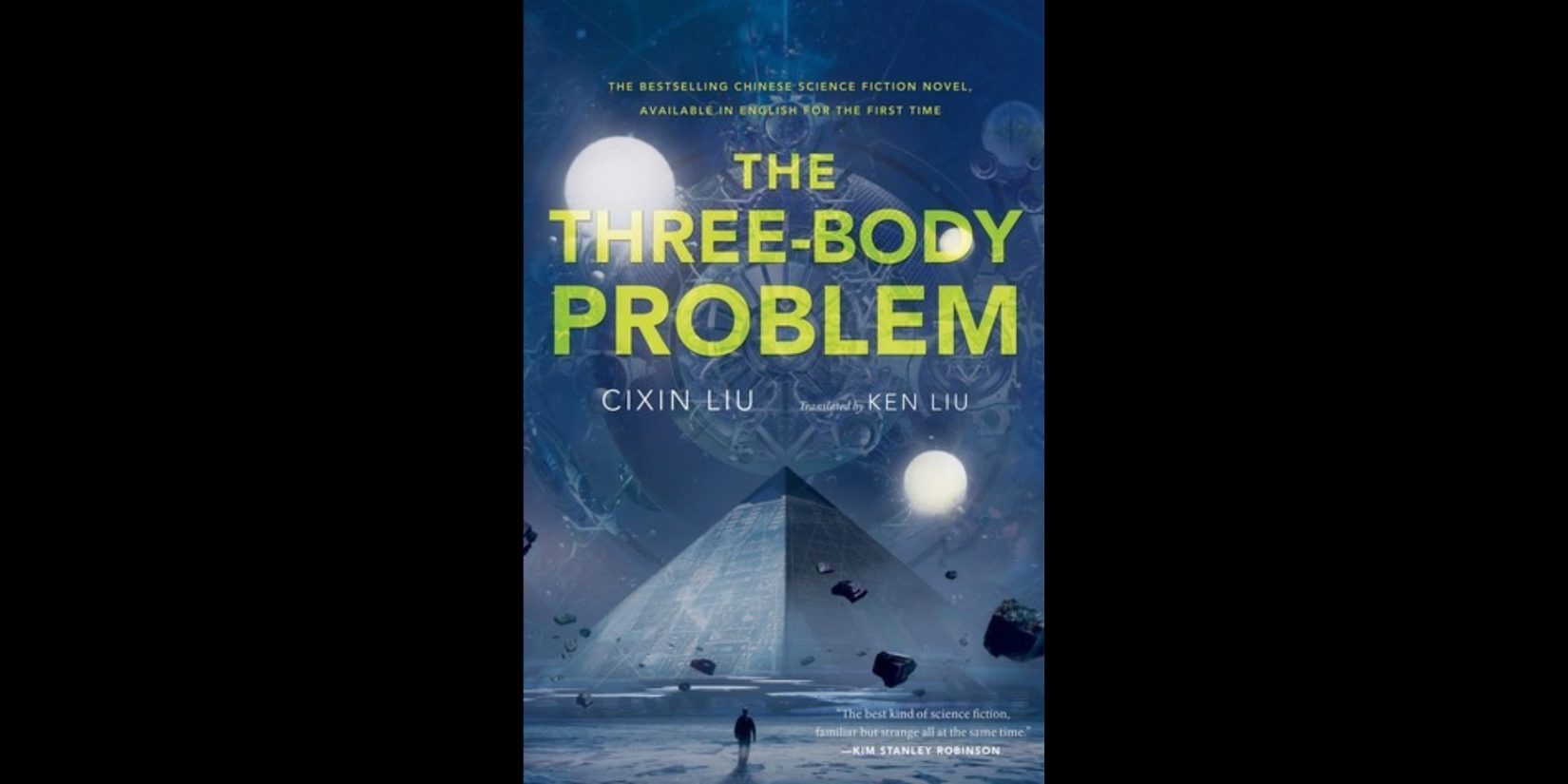
The Three-Body Problem is one of the most fascinating science fiction novels. The Chinese hard science fiction novel by Liu Cixin explores humanity's first contact with an alien civilization and the impending invasion it threatens. An ambitious, decade-spanning story, The Three-Body Problem uses a massive, unique historical and cosmic vision that unfolds like a sci-fi detective story as scientists mysteriously die, physics breaks down, and a strange virtual reality game unlocks the secrets of an alien world.
The Three-Body Problem offers a refreshing non-Western viewpoint to a classic genre. Focusing on a grand plot that eventually evolved into a multi-book series, Cixin's foundation and fearless historical framing provide a sweeping first-contact narrative. The plot cleverly connects past trauma, a scientific conspiracy, and a struggling alien civilization to offer a gripping, high-stakes mystery where loss of faith and a sense of dread take over. Translated by Ken Liu, it became the first Asian novel to earn the Hugo Award before it was adapted into a film, a comic, and a Netflix series.
2 'The Martian' by Andy Weir (2011)

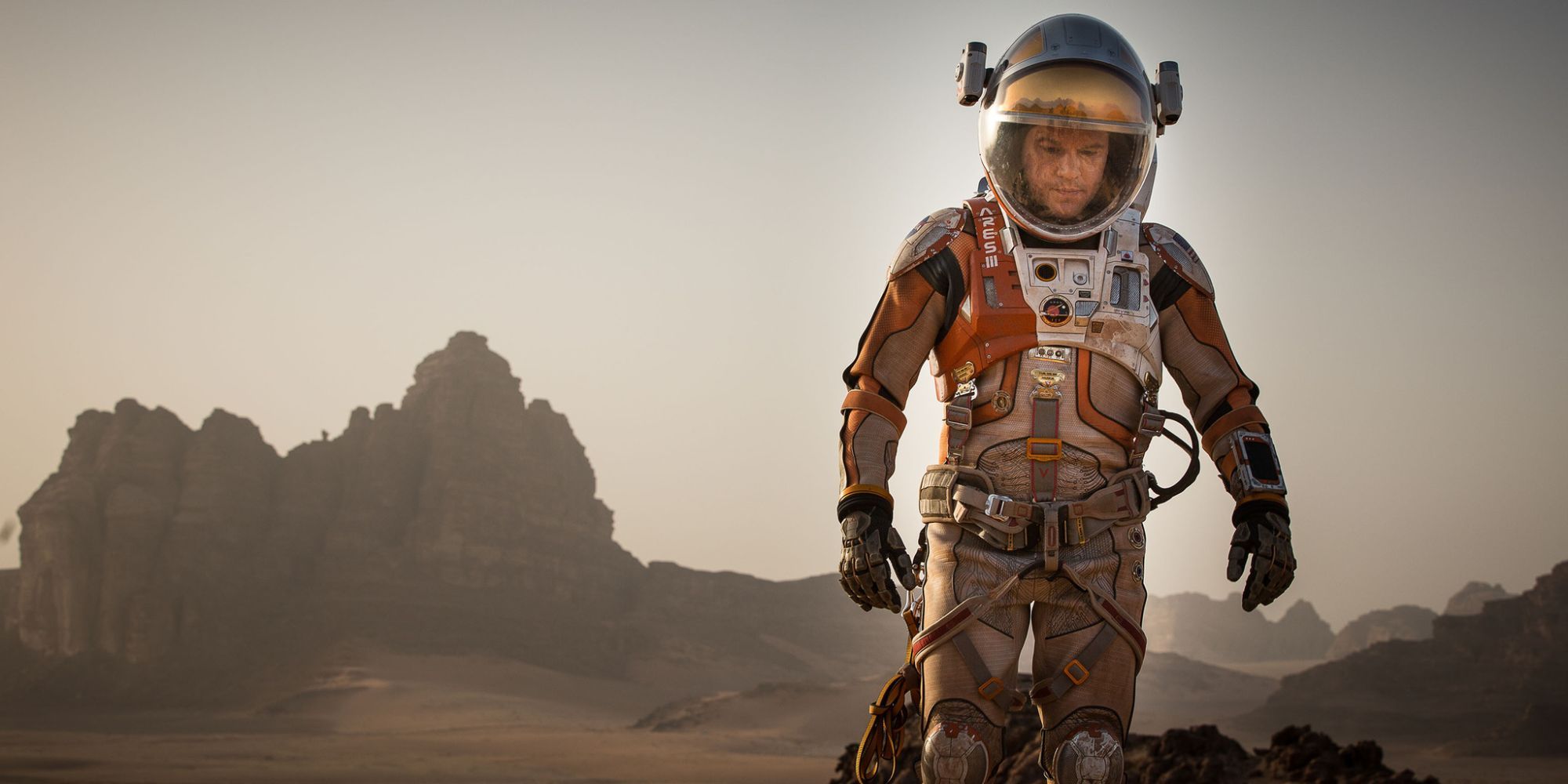
One of the most significant science fiction authors of the 21st century is none other than Andy Weir. With a handful of exceptional novels and short stories to his credit, his most profound is The Martian. The hard science fiction survival novel centers on Mark Watney, an American astronaut who is stranded on Mars after his crew abandons him, mistakenly assuming he died in a violent dust storm. Using ingenious skills as a botanist, Mark figures out how to generate water, establish a makeshift potato farm, and repair broken equipment while remaining hopeful that rescue is on its way.
Through real science and sharp comedy, Weir tells the story of a deeply human protagonist who is witty, optimistic, and a beacon of hope. By relying on real physics, chemistry, and botany, The Martian uses practical, tangible ingenuity to craft a gripping man-versus-nature tale. Even if those topics seem out of range, Weir makes it accessible. At the core, The Martian is about relentless optimism. He never wallows in despair, making him an inspiring hero. The Martian is written with episodic obstacles that allow each crisis to be a part of a larger scientific puzzle to solve. A page-turner that just so happened to be turned into one of the best sci-fi films of the century, Matt Damon lifts Mark from the page to the screen in extraordinary fashion. If you loved the film, the book is a must.
1 'The Underground Railroad' by Colson Whitehead (2021)
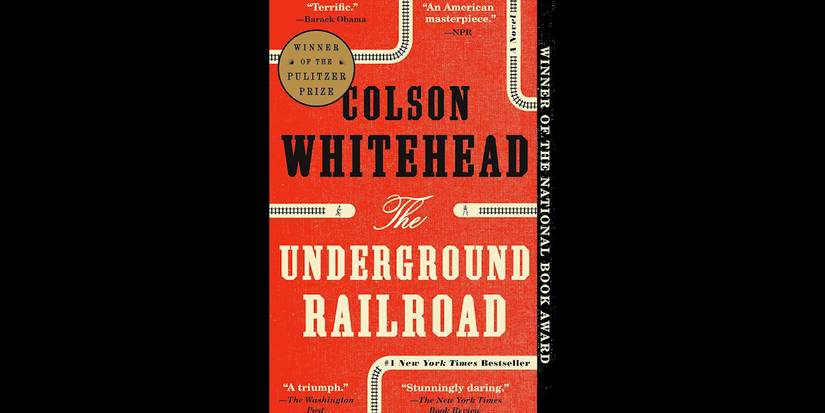
Historical fiction remains a beloved genre because it allows authors to reexamine crucial parts of history for a greater purpose. Such is the case for Colson Whitehead's brilliant novel The Underground Railroad. Whitehead tells a story about Cora, a young enslaved woman who flees a brutal Georgia cotton plantation. Unlike in real history, the underground railroad in the alternate history is a physical subterranean railway with tracks, locomotives, engineers, and secret stations hidden beneath the soil. On her journey to freedom, Cora is hunted by the relentless slave-catcher Arnold Ridgeway, as she experiences a different, distorted historical reality and societal attitude toward Black people at each stop.
Whitehead uses a historical metaphor of the Underground Railroad to depict an episodic journey to expose a different facet of racism, systemic cruelty, and societal dominance. Cora is depicted as a resilient, richly human protagonist driven by the memory of her mother and a fervent desire for true freedom. Whitehead avoids clichés, instead using the fantastical concept as historical realism to capture the cruelties of the antebellum South. Earning the Pulitzer Prize and the National Book Award, The Underground Railroad has cemented its status as a modern literary benchmark.
KioskNews shows a cleaned-up reading view extracted from the publisher’s page — the original always lives on their site, not ours.