UPI Merchant Charges Above Rs 2,000 To Be Implemented After Diwali
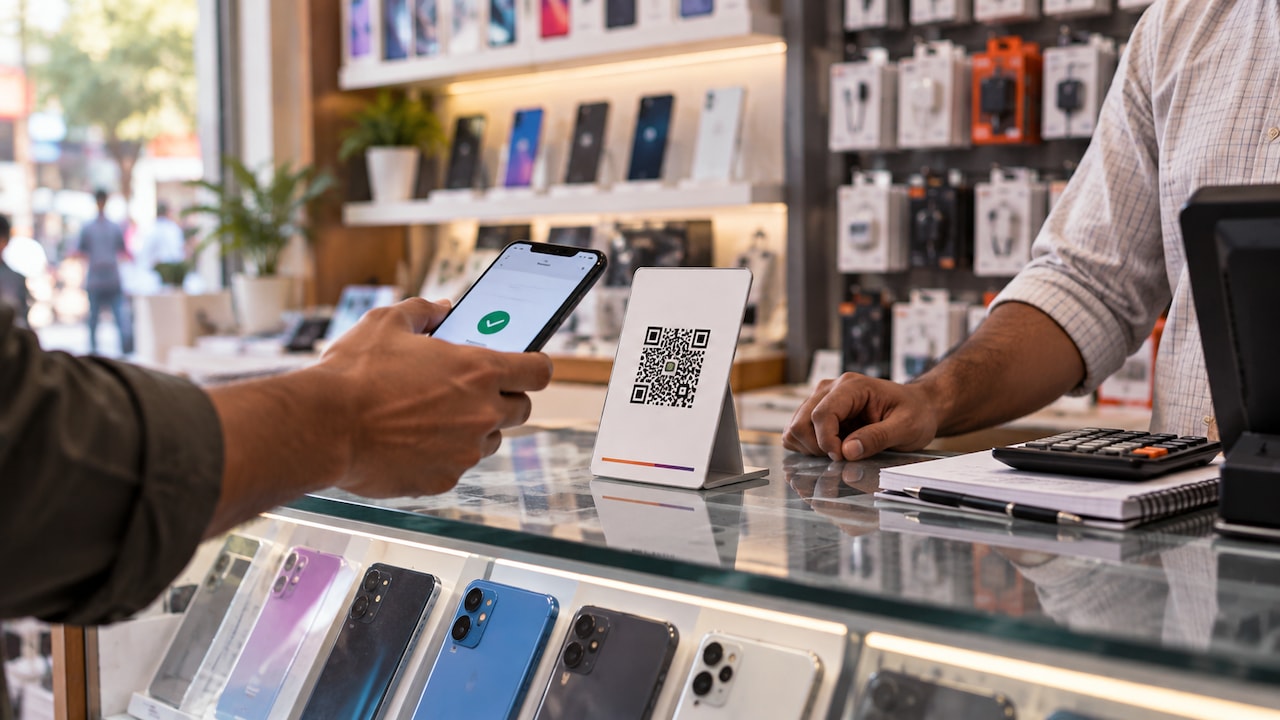
Following a request from traders to delay UPI transaction charges, the rollout of Merchant Discount Rate (MDR) charges has been pushed to the second week of November, after Diwali.
"Keeping in mind the festive season, the UPI and Services Steering Committee today (October 13) decided that MDR on select Person-to-Merchant (P2M) UPI transactions shall be implemented immediately post Diwali," NPCI said in a media statement on Tuesday. The new date of implementation will be notified later, the NPCI added.
The earlier rollout date was October 15. However, it coincided with the festive shopping season, when consumer spending typically rises. Therefore, the rollout was delayed to give payment firms and consumers more time to update their systems and to address concerns about introducing the change during the festive season.
Earlier in September, the UPI Steering Committee fixed the UPI MDR at 0.4 per cent for transactions above Rs 2,000. MDR is the fee charged to merchants for processing digital payments. The 0.4 percent fee translates into Rs 8 per Rs 2,000 spent or Rs 40 for every Rs 10,000 paid using UPI. Meanwhile, payments above Rs 2,000 in select sectors such as railways, telecom, insurance, fuel and agricultural inputs will attract a flat MDR of Rs 5.
Rationale Behind UPI MDR
According to the Centre, the proposed fee is intended to help fund the infrastructure required to operate UPI, including system resilience, cybersecurity, fraud prevention and customer support. However, the government clarified that the charge would be borne by merchants rather than consumers and would be capped at Rs 300 for transactions of Rs 75,000 or more. Payments between individuals, as well as most everyday merchant transactions, would continue to remain free.
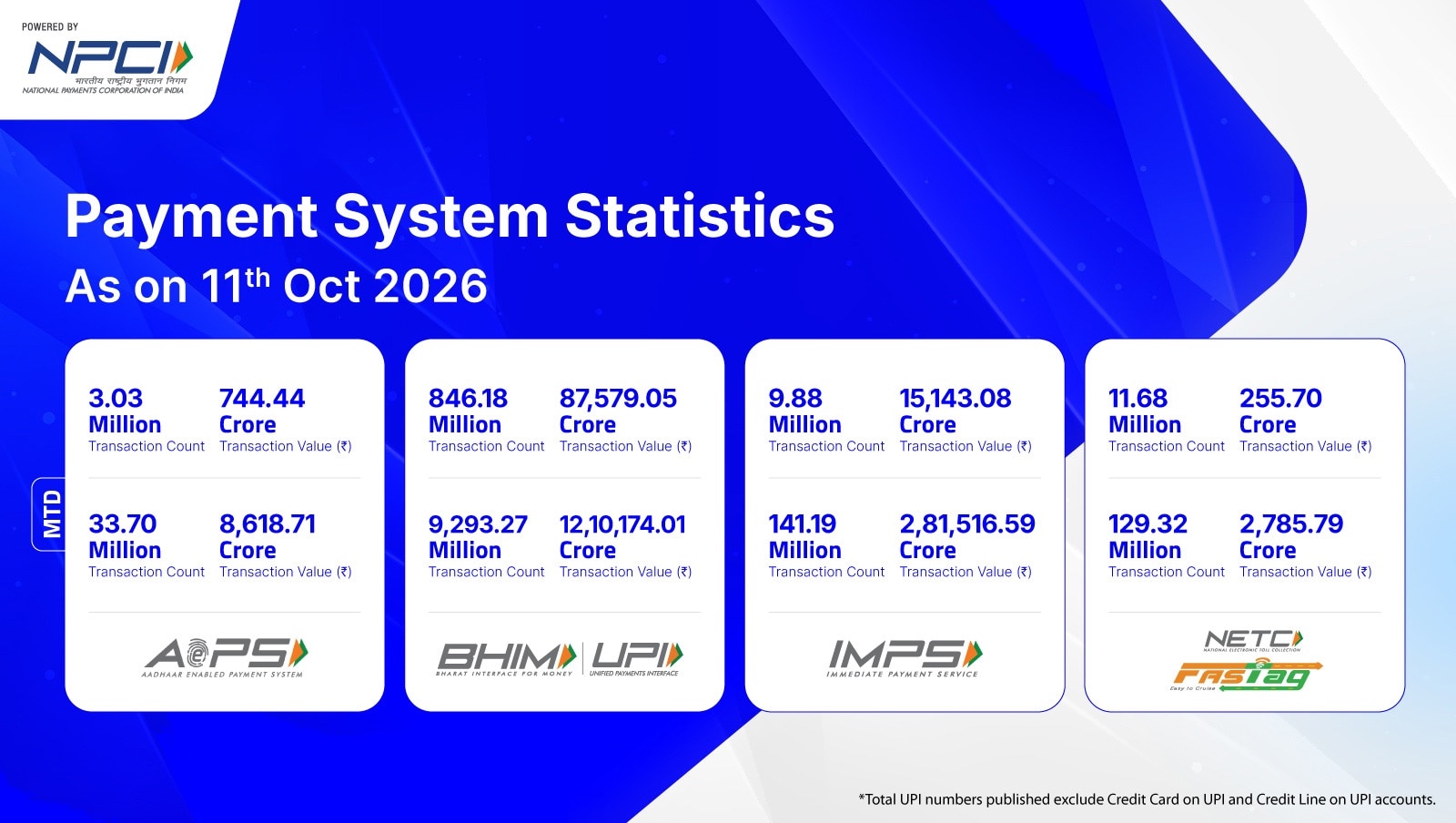
As per Finance Ministry's September FAQs, citing industry estimates, running UPI operations costs around Rs 20,000 crore annually. Therefore, the Centre argues that government incentives alone were not a sustainable long-term funding model.
"The idea of charging a merchant fee on UPI transactions over Rs 2,000 might add an expense for businesses, especially those like small shops or service providers who depend a lot on digital payments. These fees might help payment companies cover their costs for running the system, but we must be careful. If the fees get too high it could make merchants less willing to accept UPI. They may pass the cost on to customers by raising prices," Mukesh Pandey, Founder and MD, Rupyaapaisa.com, told NDTV. He added that UPI has worked well because it's easy to use, available to almost everyone and cheap.
In a similar vein, Atish Shelar, Group CEO, MOS Utility Limited, told NDTV, "Given that UPI has become a routine part of everyday commerce, especially for small businesses, any confusion around charges will directly impact customer experience. Hence, they should leverage the additional time to prepare without disrupting digital payment adoption and waiting for the final rollout date."
KioskNews shows a cleaned-up reading view extracted from the publisher’s page — the original always lives on their site, not ours.