Half of Britons unwilling to fight for UK in the event of war, poll finds
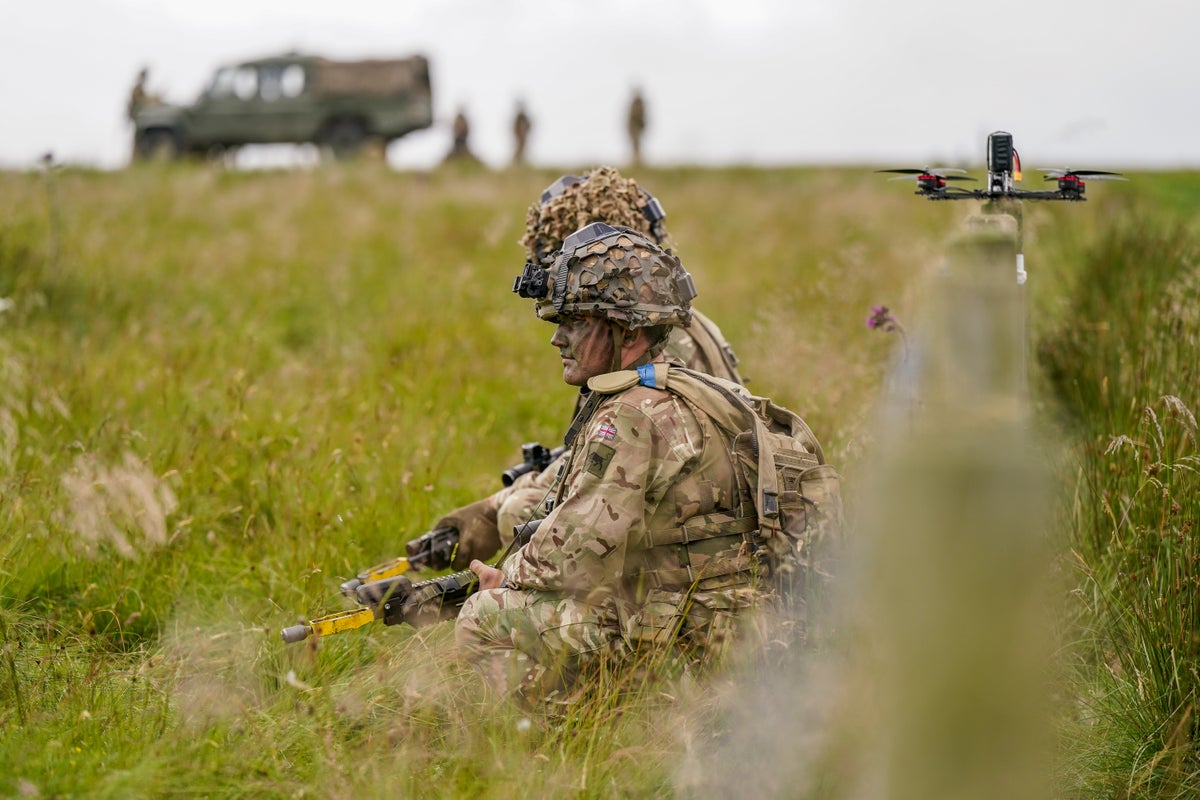
Half of Britons say there are no circumstances under which they would fight for their country, according to a new poll.
Just one in three (36 per cent) say they would take up arms and go to war for Britain, according to new data from Ipsos, while 48 per cent said they would not and the rest said they did not know.
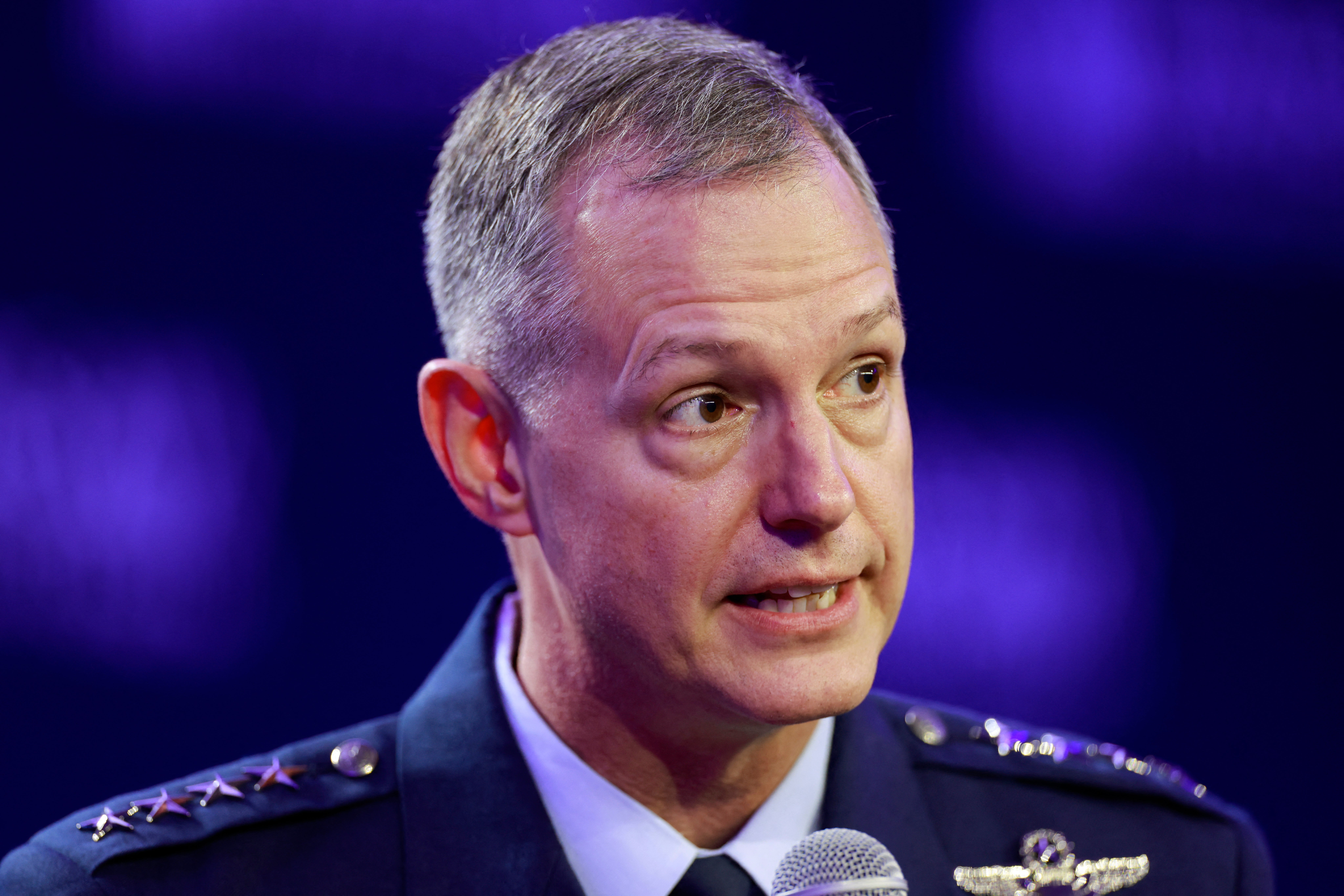
The findings come just days after Nato’s Supreme Allied Commander US General Alexus Grynkewich said publicly the alliance was “ready to fight tonight” if attacked, as European officials warn Russia could test the alliance’s defences with increased covert attacks or a limited military incursion.
Last year’s National Security Strategy also warned the UK must prepare for the possibility of a “wartime scenario” on home soil.
In recent months, Russia has escalated its activity against the West, including an arson attack on an Estonian defence company and a failed attempt to attack a Ukrainian aircraft at a German airport.
The poll also found that 51 per cent think the government should spend more on defence and the armed forces, even if this means extra borrowing, higher taxes, or cuts to public services, while just 12 per cent think it should be decreased.
Caroline Paskell, research director at Ipsos in the UK, said: “Our latest polling underscores the continued public recognition of the demands facing Britain's Armed Forces, with half of Britons backing an increase in defence spending despite wider economic pressures.
"However, the public mood remains finely balanced when faced with the direct trade-offs required to fund this expansion.
"While there is strong enthusiasm for military investment that delivers broader economic dividends, such as job creation and civilian infrastructure, resistance grows sharply when funding mechanisms touch personal taxation or cuts to cherished public services.
"The key challenge for ministers will be navigating these competing fiscal priorities, communicating clearly how increased security investment can coexist with public service protection and broader economic growth."
The poll also found 50 per cent believe the UK should prioritise building a close defence relationship with the EU.
But 44 per cent oppose extra defence spending if it means an increase in the taxes they personally pay, or reduced spending on public services, while 37 per cent are against increased government borrowing to pay for it.
At the weekend defence secretary Wes Streeting said the UK had to base its defence spending on the risk of a Russian attack on Nato. Earlier this year, John Healey, now the chancellor, resigned as defence secretary in protest at over defence spending, warning the UK had to commit 3 per cent of national income by 2030, up from 2.6 per cent this year.
Mr Streeting said the upcoming budget would "plug" a £4.7bn funding gap but said the government would set out a path to increase spending to 3.5 per cent of national income by 2035 only at next year's Spending Review.
The Ipsos poll, conducted between 29 September and 1 October, surveyed 1,090 adults.
KioskNews shows a cleaned-up reading view extracted from the publisher’s page — the original always lives on their site, not ours.