How Stage 4 lung cancer changed this former nightlife boss: From 5 litres of beer a night to Everest Base Camp
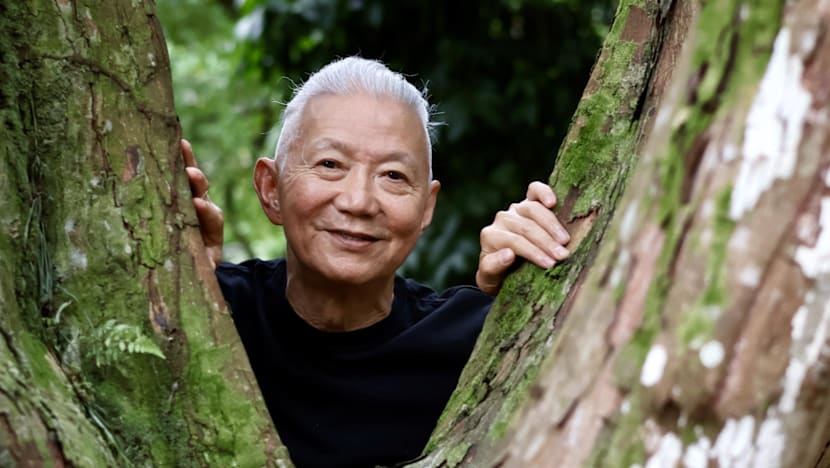
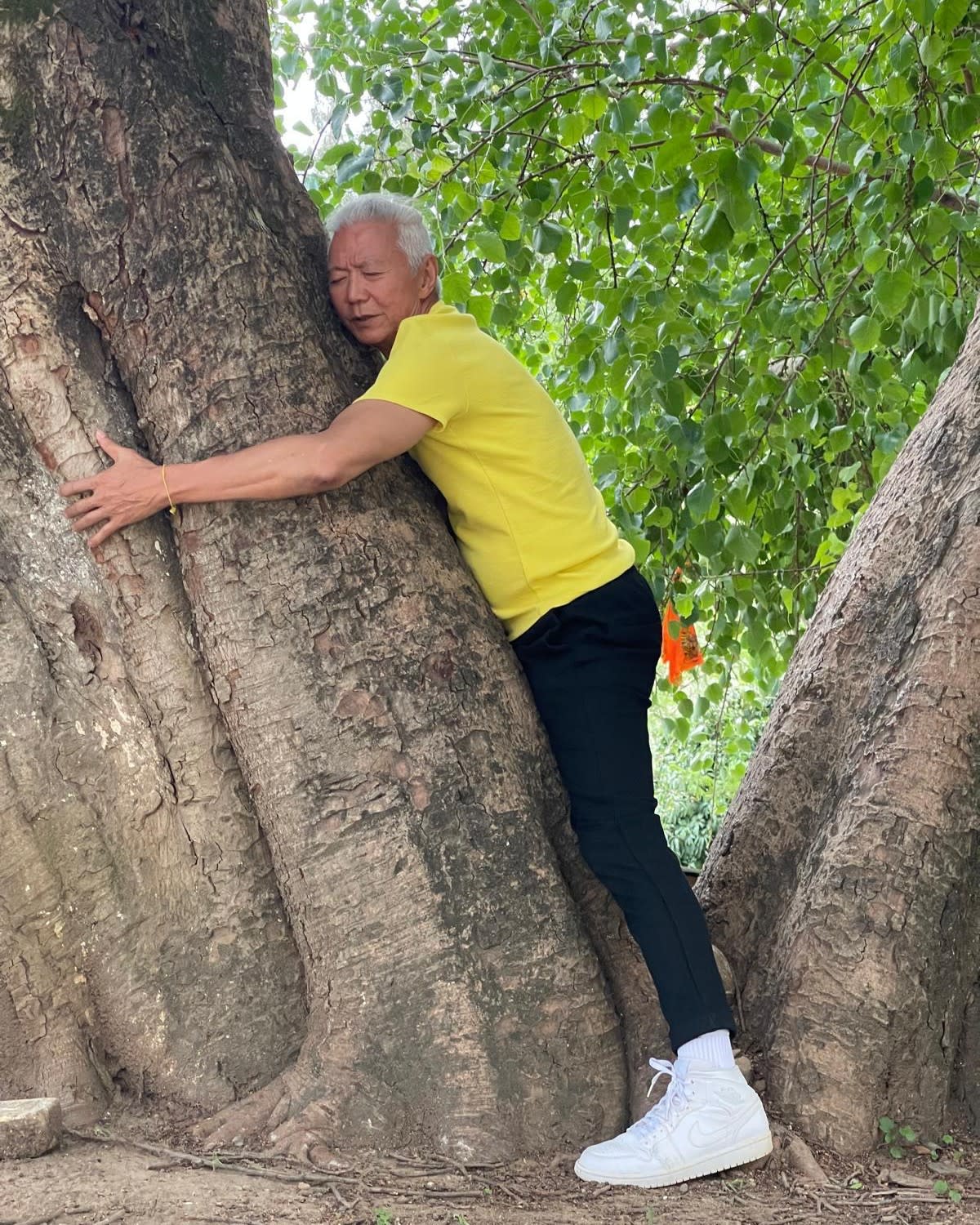
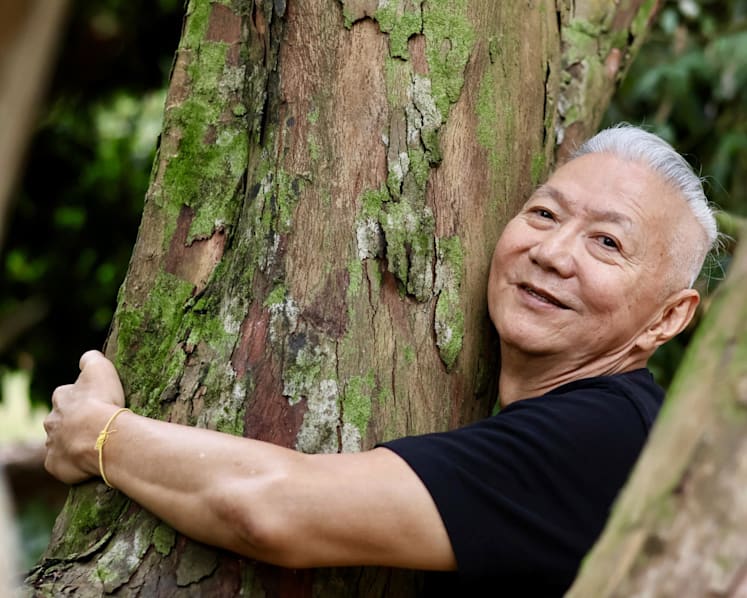
“Go on, try hugging it,” Michael Chuah said, gesturing to a tree at Singapore Botanical Gardens where the interview took place.
Sensing this writer’s hesitation, the 67-year-old demonstrated, gently wrapping his arms around the trunk, eyes closed and forehead rested against the rough bark.
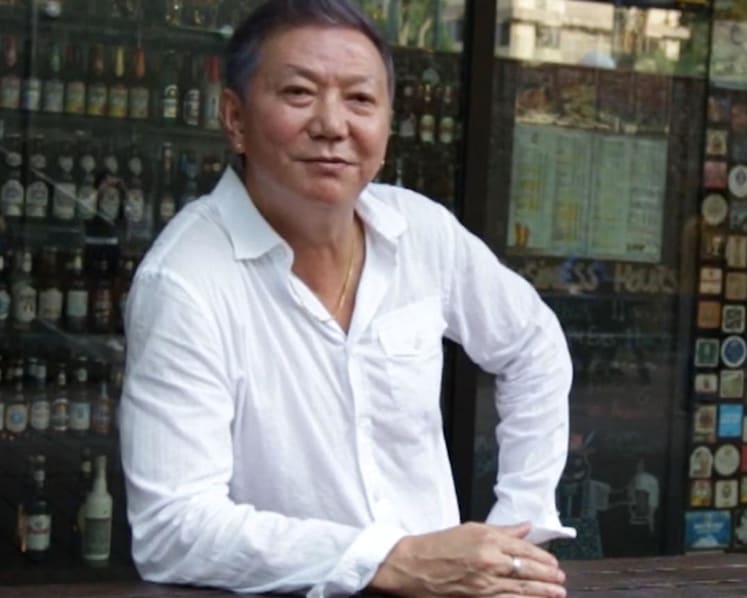
Five years ago, this would not have been the Michael his family and social circle knew. This was the man who once ran Singapore’s liveliest pubs including the former JJ Mahoney.
Back then, days revolved around the nightlife business. Nights were spent weaving through crowds, socialising and clinking beer glasses under bar lights.
At the peak of his career, drinking five litres of beer every night was not unusual. Before he turned 50, he was also smoking two packs of cigarettes a day.
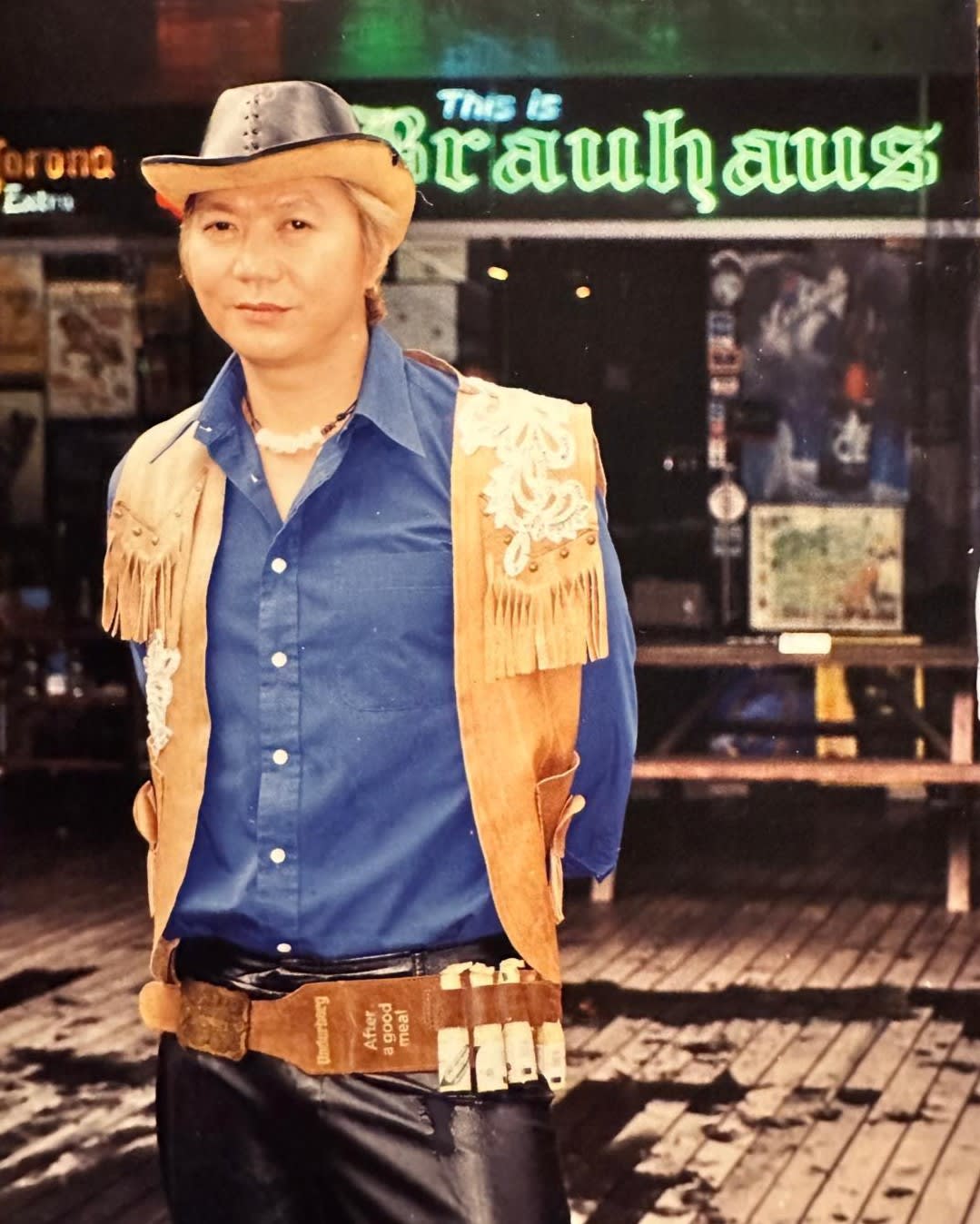
After a Stage 4 lung cancer diagnosis in 2021, followed by two relapses, Chuah now spends his days mostly outdoors. He hikes, meditates, does qigong, hugs trees and plans solo overseas expeditions. He even made it to Mount Everest Base Camp last year.
Instead of making small talk with customers, he now exchanges information and offers support to fellow lung cancer patients through a WhatsApp chat group he set up.
Cancer, he told CNA Lifestyle, made him rethink his life, priorities and relationships around him.
“I feel like a 360-degree changed man,” he said. “I’m grateful for every day, and want to enjoy whatever time I have and appreciate the people around me.”
A STAGE 4 DIAGNOSIS THAT CHANGED HIS LIFE
Before his cancer diagnosis, Chuah’s world revolved around running his businesses “seven days a week” over three decades. That all changed when he was diagnosed with Stage 4 lung cancer in December 2021.
It started with pain in his left leg. He was also experiencing pain in his left shoulder, which he initially attributed to a weight-training injury.
An MRI scan revealed a lump in his left lung. Further checks showed that the cancer had spread to his bones, lymph nodes and adrenal glands.
Chuah thought the doctor had made a mistake. “I just couldn’t understand how I could have Stage 4 lung cancer when I didn’t feel any symptoms or pain in my lungs,” he said.
The hardest change of all was learning to be alone. I reached a very dark place.
Lung cancer is the third most common cancer among both men and women in Singapore, with majority of cases detected only when the cancer has spread. Based on Singapore Cancer Registry data, approximately three in five cases are diagnosed at Stage 4.
The lungs are hidden within the rib cage, and as such, small lung tumours are not palpable (touched or felt through physical examination) and unlikely to cause any symptoms, said Dr Tan Chee Seng, senior medical oncologist at OncoCare Cancer Centre
“By the time (the tumours) grow to a sizeable mass, or metastasise to other body parts, to cause symptoms, it would have been in later stages,” he explained.
According to Dr Tan, who treated Chuah, lung cancer typically spreads to areas such as the brain, bone, lymph node, level and adrenal glands. Lung cancer that has spread to the bone can cause pain in the affected area, and any movement can aggravate pain.
RETHINKING FRIENDSHIPS, SUCCESS AND WHAT MATTERS
By the time he was diagnosed, Chuah found himself unable to walk and was using a wheelchair. The hardest part for the extrovert, who was used to being surrounded by people, was the isolation.
“The hardest change of all was learning to be alone. Suddenly everything stopped… I reached a very dark place,” he said.
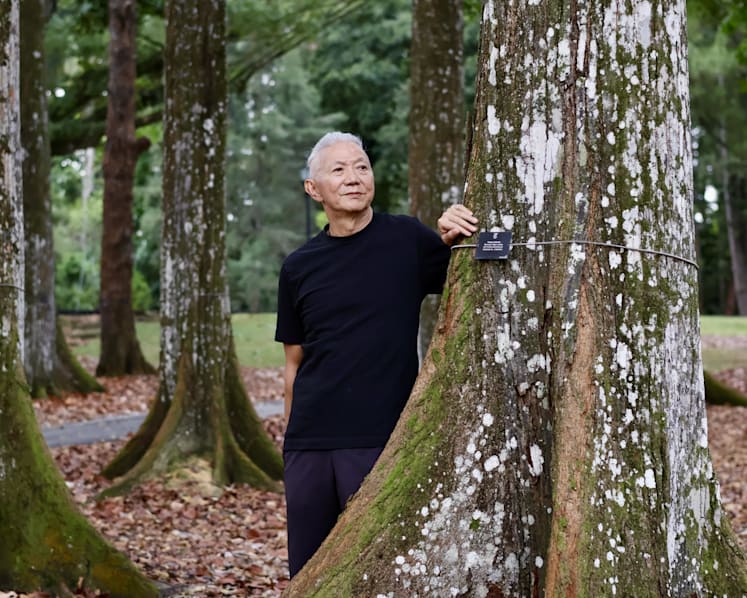
Chuah underwent intensive treatment of targeted therapy, then chemotherapy and immunotherapy.
One of the illusions that fell away during this time was the idea he had many good friends.
“After I went through this journey, I tell you, I can count my good friends – not even five fingers. I was quite shocked, but I don’t blame anyone anymore,” he said. The handful of friends who consistently showed up, he added, were “enough”.
He also realised how much his family cared for him. His wife Sanni, who was also his business partner, took over most of his work responsibilities at Brauhaus Restaurant & Pub. They ran the business together since 1989.
His youngest son, then 22, quit his job as a chef at another restaurant to help the family business.
“They told me if necessary, they would sell the house to pay for my treatment. At my lowest point, knowing my family was standing behind me gave me a lot of strength. I wasn’t fighting this battle alone,” Chuah said.
A turning point came when he started walking independently again after beginning targeted therapy.
“I told myself ‘Now that I can walk again, I want to continue walking’. I realised that perhaps my life wasn’t over yet. I could still move forward, one step at a time,” he said.
These days, his routine consists of 30 minutes of stretching each morning, five-kilometre walks in the evenings, as well as regular qigong and gym sessions.
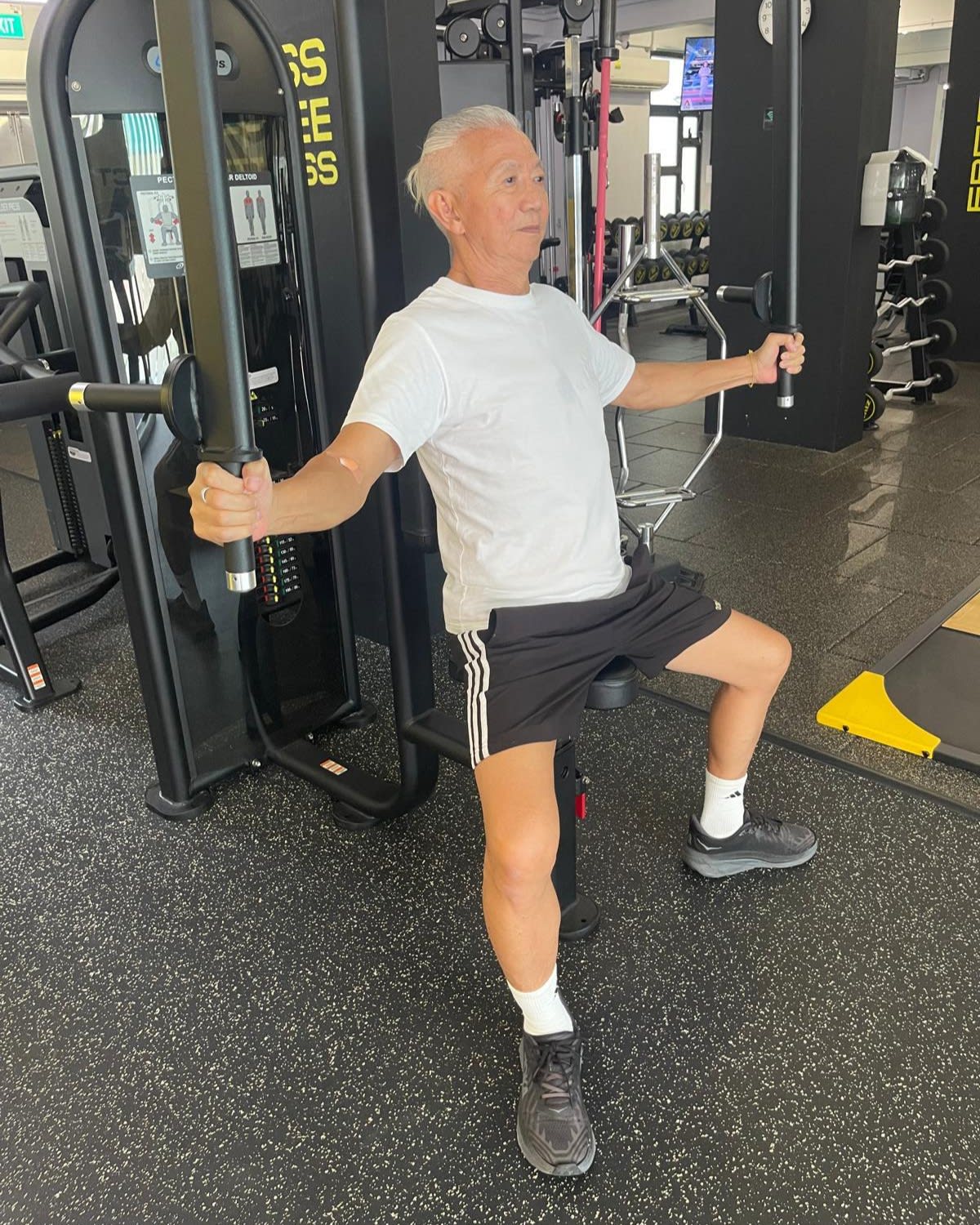
LEARNING TO LIVE AGAIN
In an unexpected twist, Chuah said that cancer gave him the impetus to retire early and rediscover travelling, something he enjoyed in his younger days.
About two years after his diagnosis, he travelled to Taiwan to hike, and has not stopped since. He has since travelled to Xining, Tibet, Nepal and Bhutan, and reached the Mount Everest Base Camp last year without supplemental oxygen.
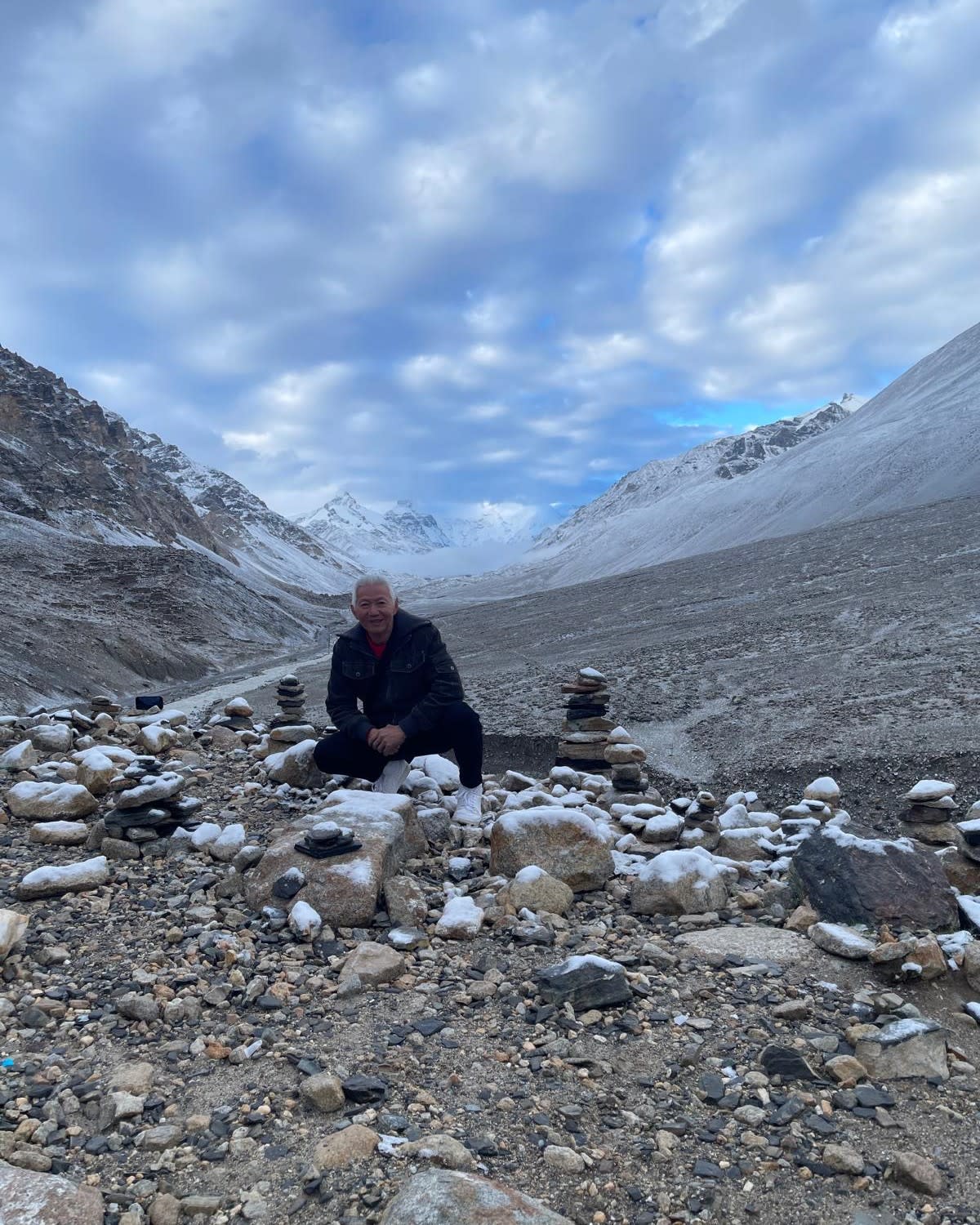
Exploring these places, he said, is a reminder that “I am still living”.
“My wife and friends were very worried because I have lung cancer and was still going through treatment. But I told myself ‘I have cancer, but cancer doesn’t have to stop me from living,” he said.
He is now planning another solo trip, from Antarctica to Argentina, with stops in Paraguay, Bolivia, Peru, Ecuador, Uruguay and Brazil along the way.
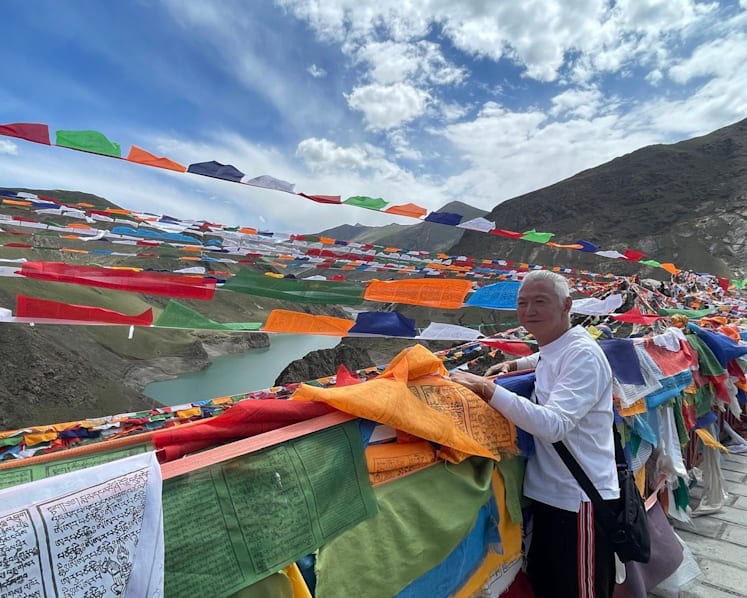
To plan for these trips, Chuah spends time preparing himself physically and mentally. Before his Tibet trip for example, he spent two years preparing and researching how other travellers managed the journey and acclimatised to the high altitude. Chuah also consulted with his doctors extensively before embarking on those trips.
While researching ways to deal with stress and recovery during his cancer journey, Chuah came across accounts of other cancer survivors who practised tree hugging.
“I decided to try it myself during my daily walks. To my surprise, I felt really good afterwards, and felt more grounded, calmer and energised. It became a way of connecting with nature and clearing my mind,” he said.
SUPPORTING OTHER LUNG CANCER PATIENTS
The experience of having to navigate the disease also prompted Chuah to do something for other patients.
At one local organisation he approached, Chuah recalled one staff member telling him the support programme had been discontinued, who bluntly added that survival rates for lung cancer were low.
He researched extensively online but wanted to hear from people living in Singapore who understood what it was like to live with disease here.
In April 2025, he started the Learn Lung Cancer Chat Group. The informal WhatsApp chat group currently has 26 members, mostly patients introduced through word of mouth.
“I wanted newly diagnosed patients to have somewhere they could go to share their experiences, and feel there are other people walking the same journey as them,” he said.
Sometimes I forget I have cancer. I live for today.
Chuah continues to receive immunotherapy. His latest scan in April 2026 showed “sustained partial remission”, said Dr Tan, which means that his condition is “stable” and tumours do not appear to be progressing.
Dr Tan said that lung cancer treatment has come a long way with personalised therapies now available based on each patient’s molecular profile. He urged patients to focus on getting timely and appropriate treatment, especially in the initial phases.
“I hope to let patients and their families know that even in the most dire situations such as Stage 4 lung cancer, one should not lose hope,” said Dr Tan. “Stage 4 lung cancer’s prognosis used to be in short months but we have increased survival to years. Some (patients) even achieve long and durable remission.”
For Chuah, the uncertainty of living with the cancer has not disappeared. But neither has his resolve to appreciate each day.
“Sometimes I forget I have cancer. I live for today,” he said.
KioskNews shows a cleaned-up reading view extracted from the publisher’s page — the original always lives on their site, not ours.