National Cancer Centre apologises after email addresses of over 460 recipients mistakenly exposed
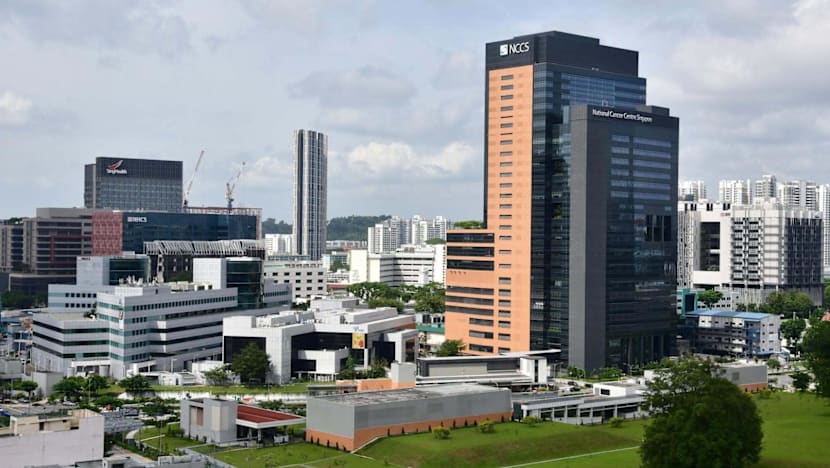
SINGAPORE: The National Cancer Centre Singapore (NCCS) apologised on Saturday (Sep 19) after an email invitation was "mistakenly sent out" to 467 email addresses with recipients' addresses visible to one another.
The email, sent on Friday evening, was an invitation to the centre's Living with Hereditary Breast and Ovarian Cancer (HBOC) event, which was open to people with the syndrome and their loved ones.
NCCS attributed the incident to an administrative error.
"Apart from email addresses, no NRIC numbers, phone numbers or other personal data were revealed," said NCCS chief operating officer and data protection officer Chong Pang Boon.
"We apologise for any anxiety this may have caused, and we are deeply sorry for the error. We have notified recipients of the email to provide support and address any concerns they may have.
He added that NCCS takes personal data protection seriously and has reported this incident to the Ministry of Health and the Personal Data Protection Commission.
"We are investigating and thoroughly reviewing our internal processes to ensure this does not happen again," he said.
Hereditary Breast and Ovarian Cancer Syndrome, which can affect both men and women, is an inherited condition that raises a person's risk of developing certain cancers.
In response to CNA's query, the Personal Data Protection Commission said it is investigating the incident.
KioskNews shows a cleaned-up reading view extracted from the publisher’s page — the original always lives on their site, not ours.