6 Classic Cartoon Network Anime That Could Never Be Made Today
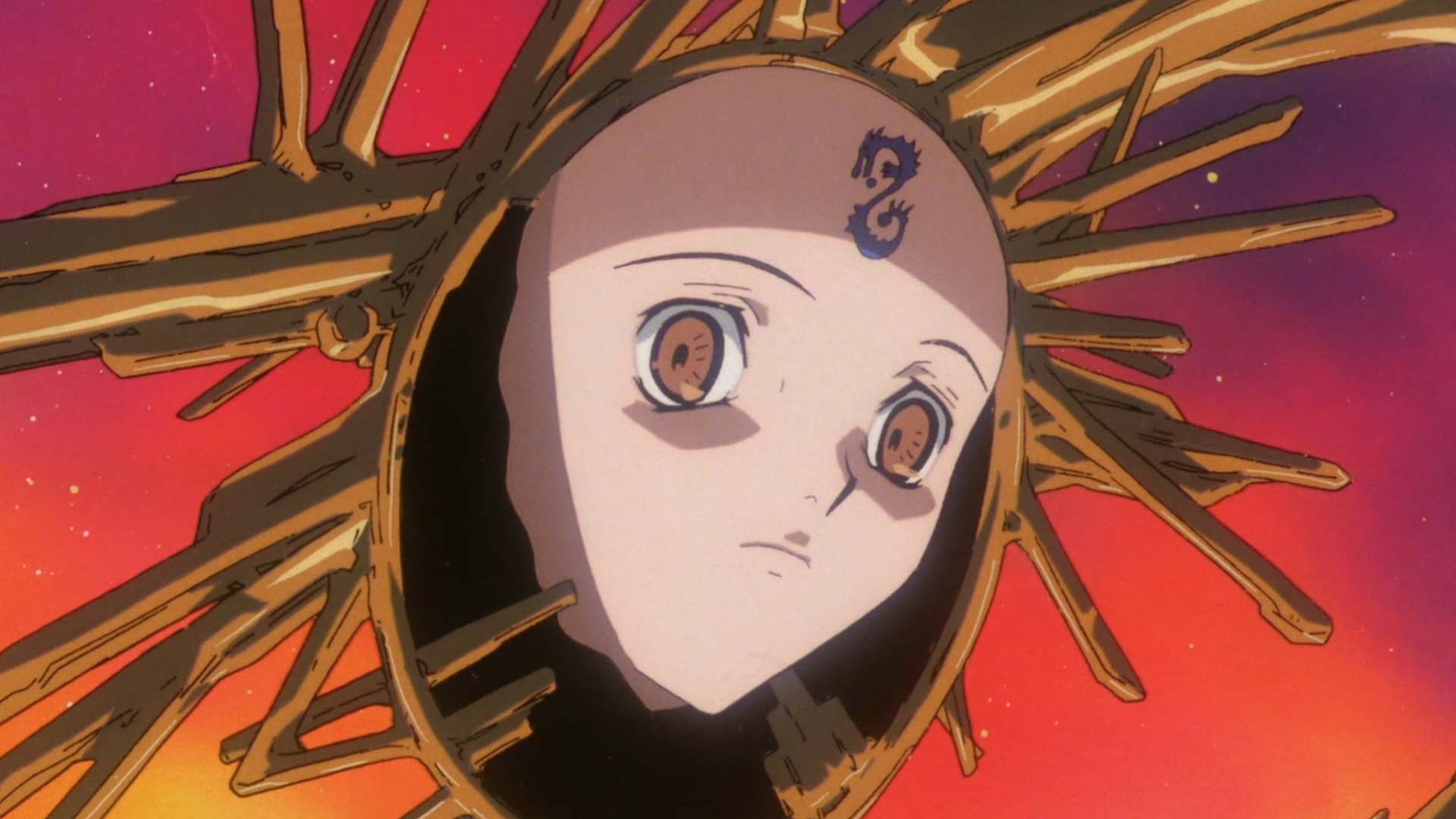
In the 1990s and early 2000s, Cartoon Network’s Toonami did something unprecedented: it introduced a generation of North American viewers to the high-stakes, unvarnished world of anime. When Western children’s television was heavily sanitized, these imported Japanese series arrived as a thrilling shock to the system.
They offered storytelling, themes, and artistic direction that treated young audiences with maturity. However, modern broadcasting standards make it hard to imagine some of these anime airing today. Themes, visual aesthetics, and narrative choices once groundbreaking staples of Cartoon Network’s afternoon lineup would now face immediate censorship, content warnings, or outright rejection from conservative network executives.
Toonami’s golden age looks more radical with every passing year. This article highlights six classic anime that aired on Cartoon Network that could never be made today. Their distinctive mix of unfiltered storytelling, provocative themes, and aesthetic edge wouldn’t air in today’s heavily sanitized television landscape.
6 Yu Yu Hakusho
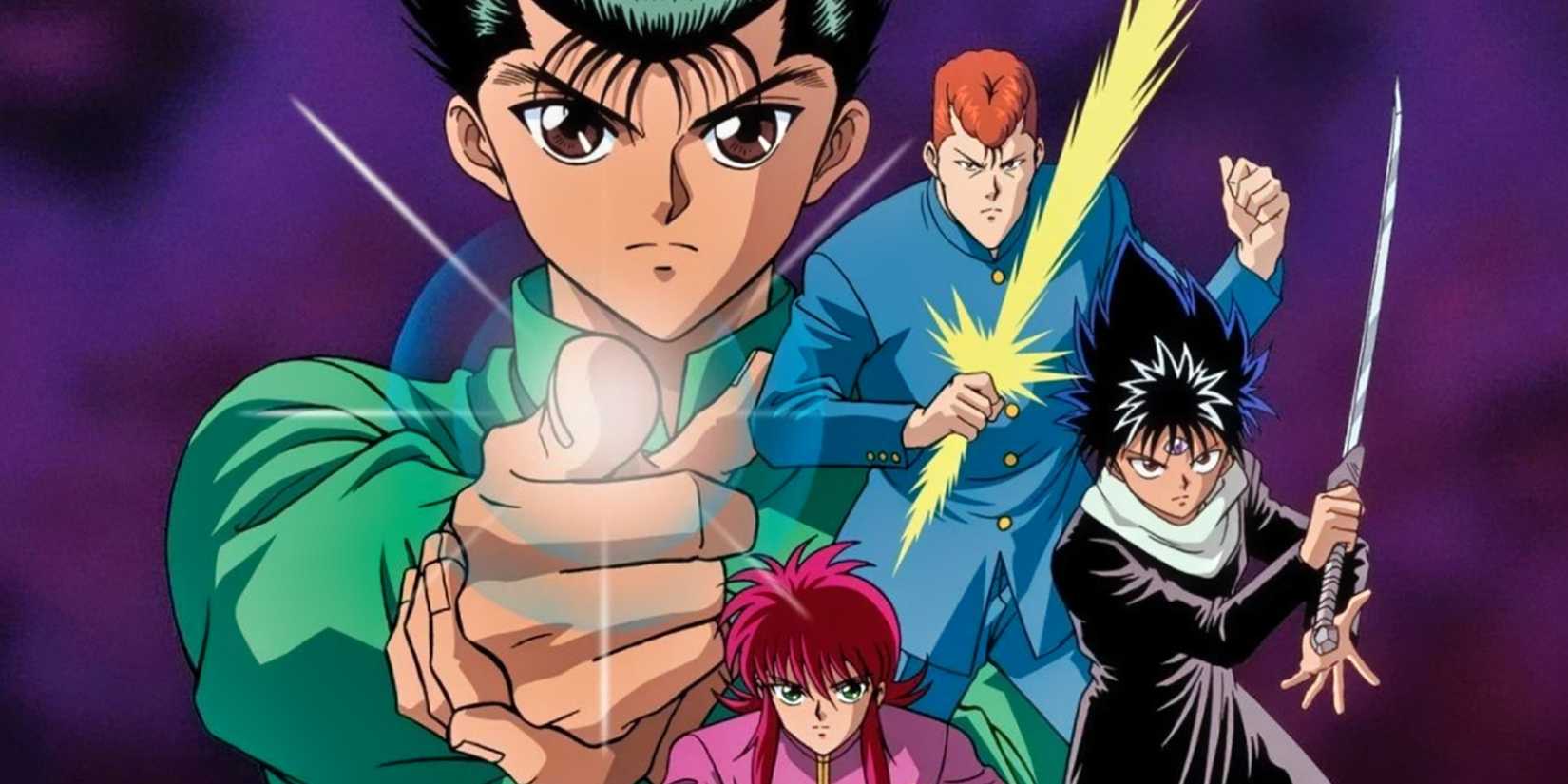
Togashi’s Yu Yu Hakusho remains one of the era’s premier shonen anime. It follows Yusuke Urameshi, a teenage delinquent who becomes a Spirit Detective after a fatal car accident. At first glance, its premise makes the anime seem tailored for a young audience; however, the series quickly evolved into a dark, visceral deconstruction of violence.
Furthermore, arcs like the Dark Tournament and Chapter Black featured graphic body horror, grotesque demon mutations, torture, and a bleak exploration of human depravity that drove key antagonists to psychological breaks. While battle anime still thrives, Yu Yu Hakusho’s graphic physical trauma, bloody self-harm, and psychological brutality are no longer welcome on modern linear television.
5 Rurouni Kenshin (1996)

Premiering on Cartoon Network’s Toonami block on March 17, 2003, Rurouni Kenshin introduced Western audiences to a historical drama about Kenshin Himura, a legendary assassin seeking atonement in the early Meiji era, after the Bakumatsu war. The series contrasts his gentle demeanor with the harrowing violence of his past as the “Hitokiri Battousai.”
Moreover, the anime did not shy away from mature history, tackling state-sanctioned violence, political assassinations, prostitution, and the traumatic societal transition of a nation emerging from centuries of feudal warfare. An anime replete with complex morality and so deeply rooted in explicit historical atrocities would be deemed too avant-garde in today’s television landscape.
4 Dragon Ball Z

It is impossible to discuss Cartoon Network’s legacy without mentioning Dragon Ball Z. This iconic anime helped popularise anime in the West and shaped what the medium has become today. However, viewed through a contemporary lens, the show reveals an original, unedited vision defined by an extraordinary level of raw physical brutality.
While Western broadcast networks famously edited out the most explicit depictions of blood for daytime television, DBZ at its core remains an anime built on visceral displays of violence. Characters are routinely impaled by energy beams, beaten until their limbs are broken, their eyes swell shut, and subjected to beatdowns spanning multiple episodes that leave them bloodied and broken.
In today’s television landscape, broadcast standards and practices would reject unfiltered physical intensity. Modern cartoons favour stylized impact beats with no lasting physical trauma, tailored to strict TV-Y7 and TV-PG ratings. The image of a child like Gohan being brutally pummelled by Recoome is simply too graphic for modern television.
Aside from graphic violence against minors and explicit physical suffering, DBZ’s combat makes violence a slow, excruciating process of attrition, which does not suit Cartoon Network’s avoidance of prolonged graphic harm. Today’s broadcast environment also requires sanitizing action sequences with energy flashes, impact sparks, and rapid cuts to avoid lingering on bodily injury or lethal force.
3 Outlaw Star

Outlaw Star aired on Cartoon Network’s Toonami programming block on January 15, 2001, and offered viewers a sprawling space adventure with a flashy ship, a scrappy crew, and a treasure hunt. However, it was a covert series built for a late-night Japanese audience, and it was edited and repackaged to suit Western sensibilities.
The story centers on Gene Starwind, a debt-ridden outlaw with a loan-shark problem, a talent for trouble, and a gun-for-hire on a frontier where everyone is selling something. Its tone is flirtatious, profane in spirit, and unbothered by the notion that its audience might be in middle school. Outlaw Star is inherently adult with mature themes.
The most telling detail is what Toonami did with it. The network trimmed the series to fit its slot, softening content without rewriting the show’s identity. That choice reflects Outlaw Star’s avant-garde nature. While the final product remained a swaggering, adult-minded adventure, fans were still getting a compromised version of the original.
Furthermore, the central narrative device of Melfina’s ship piloting would be problematic by modern standards. To control the vessel, Melfina strips naked and submerges herself in a liquid navigation tube that serves as an organic interface. Original audiences could accept this as a sci-fi trope, but modern broadcast regulators would raise major concerns.
Ultimately, Outlaw Star embedded real-world vices into its everyday worldbuilding without presenting them as moral cautionary tales. Bars, illegal gambling, tobacco use, and point-blank firearm violence were portrayed simply as the background reality of life on the galactic frontier. Outlaw Star is a time capsule of an era defined by aesthetic risks that today’s television landscape would never permit.
2 Samurai Champloo
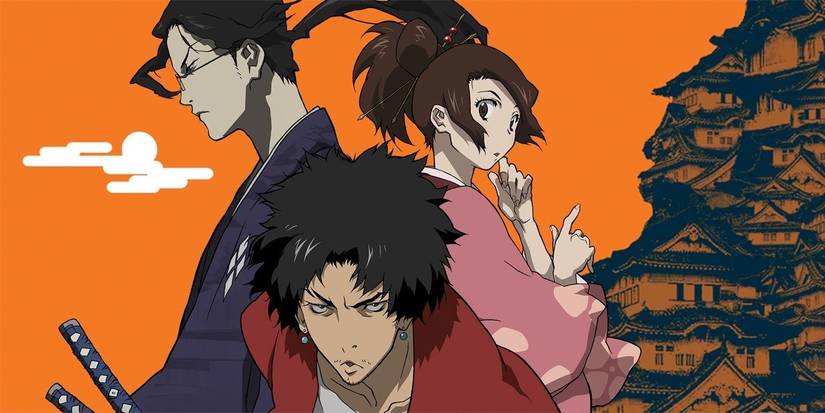
When Samurai Champloo aired on Adult Swim in 2005, it came from a director willing to take bold creative risks, and those risks really paid off. After Cowboy Bebop wrapped up, it achieved the kind of success that usually secures a safe sequel. Instead, Shinichiro Watanabe used the opportunity to create a phenomenal, defiant, genre-defining, swordfighting epic.
Set in Edo-period Japan, it follows Mugen, Jin, and Fuu as they search for “the samurai who smells of sunflowers.” By mixing hip-hop, scratch transitions, graffiti, lo-fi beats, and Edo-period swordplay, the series stood apart from its contemporaries. It succeeded because it trusted young adults to follow the directors’ vision rather than expecting a predictable, safe story.
However, in today’s risk-averse television and streaming landscape, a project like Samurai Champloo would never be greenlit. The anime doesn’t fit the typical mould of what network executives would consider a guaranteed hit. It took creative risks, blending hip-hop culture with 17th-century settings and featuring raw, unapologetic, bloody sword fights that worked together to create a masterpiece.
1 Mobile Suit Gundam Wing

When Gundam Wing hit Toonami in 2000, it was packaged as a toy-friendly mecha anime for kids. What it actually delivered, though, was a war drama in which the protagonists commit acts that would normally mark them as villains in any other context. That tension is at the heart of the series and makes it difficult to greenlight today.
The story follows five teenage pilots, each trained by a scientist from the colonies, as they descend on Earth in experimental Gundams to dismantle the Earth Sphere Alliance’s military machinery. Their tactics include sabotage, ambush, and assassination. Heero Yuy, the stoic center, treats killing as a task to be completed, and the anime doesn’t shy away from the harsh realities.
The pilots’ cause is sympathetic, but their methods are insurgent, and Wing never lets viewers forget the cost. Its cast doubles as a philosophical argument. Relena Peacecraft’s total pacifism is tested by a war that proves it both insufficient and indispensable, while Treize Khushrenada insists, with aristocratic polish, that conflict expresses human nature.
Moreover, Giant robots are the marketing hook, but the show never lets the audience forget that its fighters are children. The story’s attention to what these teenagers have lost, and what they have been trained to become, is a mature theme that would be deemed too dark for TV today.

Mobile Suit Gundam Wing - Season 1
- Release Date
- April 7, 1995
- Network
- tv asahi
- Series
- Mobile Suit Gundam Wing
- Episodes
- 49
KioskNews shows a cleaned-up reading view extracted from the publisher’s page — the original always lives on their site, not ours.