Nga Kor Ming urges global cooperation on housing crisis, cites 3.4 billion affected
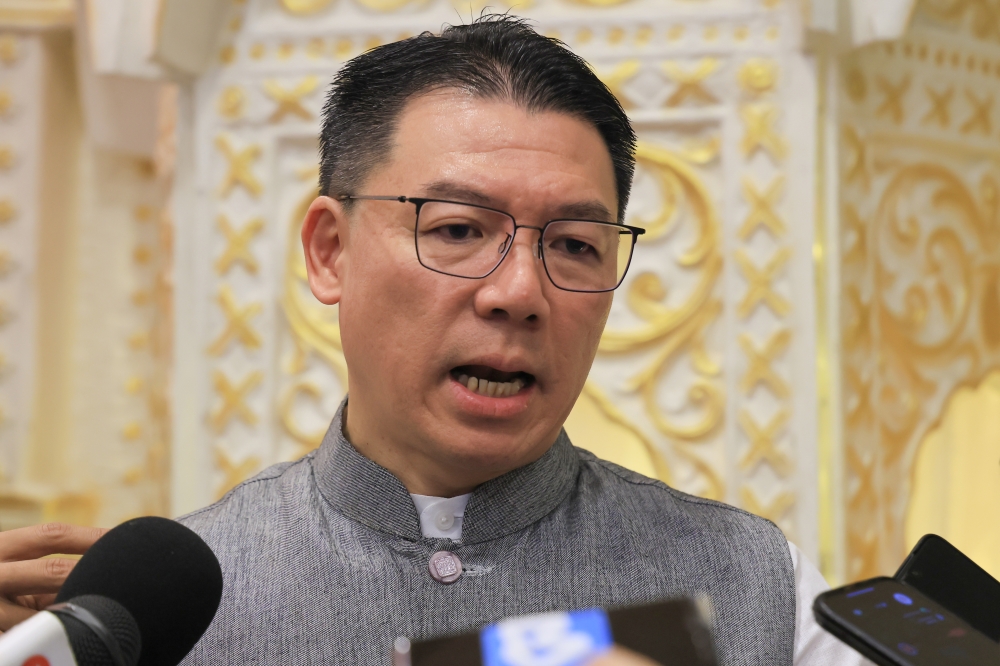

Housing and Local Government Minister Nga Kor Ming said stronger international cooperation is needed to address the global housing crisis, with approximately 3.4 billion people worldwide experiencing some form of inadequate housing. — Bernama pic
First Published: Saturday, 31 Oct 2026 7:55 PM MYT
KUALA LUMPUR, Oct 31 — Stronger international cooperation is needed to address the global housing crisis, with approximately 3.4 billion people worldwide experiencing some form of inadequate housing, said Housing and Local Government Minister Nga Kor Ming.
In making the call, Nga, who is also United Nations Human Settlements Programme (UN-Habitat) Assembly president, said that more than 1.16 billion people lived in informal settlements, including slums, while 44 per cent of urban renters spent an unsustainable proportion of their income on rent.
“Governments must ensure that housing is affordable, safe, well-connected to public transport and employment opportunities, and supported by essential public amenities,” he said in his keynote address at the opening ceremony of the Global Observance of World Cities Day 2026 in Fuzhou, China, today.
The event, themed “Regenerating the City: Adequate Housing for All”, is jointly organised by UN-Habitat, China’s Ministry of Housing and Urban-Rural Development, the Fujian Provincial People’s Government and the Fuzhou Municipal People’s Government.
Nga said addressing the crisis required more than building additional homes, as rising housing costs placed increasing pressure on households and widened social inequalities.
He urged governments, international organisations, and the private sector to strengthen partnerships in affordable housing, green development and sustainable urban regeneration.
Sharing Malaysia’s experience, Nga said the government had set a target of delivering one million affordable homes between 2026 and 2035, alongside an ambition to place Malaysia among the world’s top 10 countries for home ownership by 2035.
He highlighted the Malaysia Madani vision, the country’s housing reform agenda, and the National Housing Policy 2026-2035 as key initiatives to improve housing accessibility and support sustainable urban development.
Nga also cited the RM60 billion Housing Credit Guarantee Scheme (SJKP), which facilitates access to home financing for 150,000 individuals without conventional income documentation.
“Housing is the foundational soil from which all human capability grows. It is where our children form their earliest ambitions, where working parents recharge their spirit, and where our senior citizens enjoy the honour they have earned over a lifetime.
“When a household enjoys a secure roof, every aspect of life stabilises. Health improves, educational outcomes soar, and economic confidence takes root,” he said.
Nga said a city’s success should be measured by the liveability of its neighbourhoods, the quality of public spaces, environmental protection and opportunities for residents, rather than merely its skyline or the scale of construction.
He said housing must cater to people’s needs from early childhood through to elderly care, while urban regeneration should support climate action through energy-efficient technologies and expanded green spaces.
Malaysia was also promoting transit-oriented development and climate-resilient urban renewal as part of its efforts to build more sustainable communities, he also said.
“Policy without execution is merely good intention, vision without action is only a dream,” he added, urging world leaders to translate international commitments into tangible improvements in people’s lives. — Bernama
KioskNews shows a cleaned-up reading view extracted from the publisher’s page — the original always lives on their site, not ours.