Budget 2027 must look beyond income, recognise the real cost of living in KL — Ben Fong Kok Seng
SEPTEMBER 30 — When Budget 2027 is tabled on Oct 9, I hope it will pay closer attention to a question many families in the Greater Klang Valley, especially Kuala Lumpur, face every month: how much is left after the bills are paid?
On paper, many households in this area may earn enough to be classifiesd as M40, or even fall at the lower end of T20. But in reality, rent, childcare, groceries and the cost of commuting to work can quickly eat into that income. In other words, despite earning more on paper, their disposable income after essential expenses may leave them under financial pressures similar to lower-income households in less expensive parts of the country.
I see this every day, especially in Bukit Bintang, where I am active in community work. It is an area people associate with glitzy shopping malls and tourist hotspots. But a short walk from the bright shopfronts and fancy restaurants, some families in the DBKL flats along Jalan Hang Tuah and pre-WWII homes in Brickfields struggle to make ends meet.
My first wish for the Budget is therefore a review of how we decide who qualifies for assistance in the Greater Klang Valley. National income bands are useful, but the same income does not go as far in KL as it does in a smaller town. For certain forms of welfare aid, the government should consider local living costs and household circumstances when setting eligibility. A family should not lose help simply because its income has crossed a line while its essential expenses remain high.
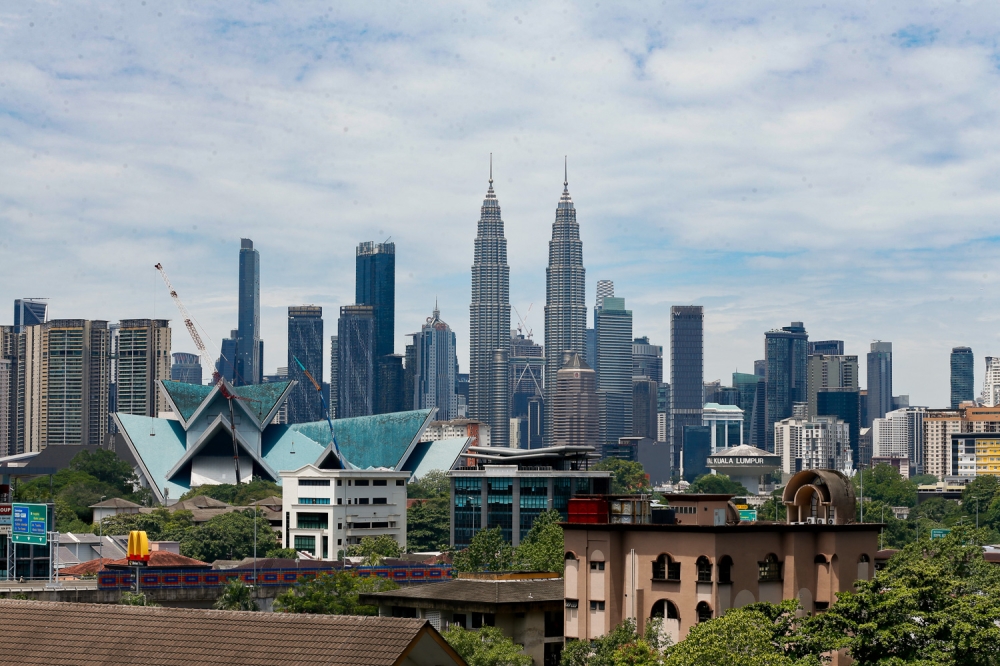
A view of Kuala Lumpur’s skyline featuring the Petronas Twin Towers and KL Tower on August 5, 2025. — Picture by Raymond Manuel
My second wish is for continued investment in public transport. We have made real progress. The My50 pass, for example, has made regular travel more affordable, and the Transport Ministry under Anthony Loke has kept its attention on improving the network. Anyone who remembers how limited the choices once were should recognise that.
But a train fare is only part of the journey. If a commuter cannot easily get from home to the station, or has to pay for an extra ride after the last bus has gone, the savings shrink. More reliable feeder buses, safer walking routes and better links between services would make the existing network work harder for the people who depend on it most. Greater reliance on public transport also means the Government can reduce its hefty fuel subsidies.
My third wish is for support that helps families move forward. Free or low-cost after-school tuition in neighbourhood facilities would ease pressure on parents while giving children a fairer chance to get ahead. Working adults also need free skills programmes that fit around their jobs and lead to better-paying work. The aim should be to help households improve their income, not leave them dependent on assistance year after year.
Finally, the current minimum wage of RM1,700 also raises a broader question: should one national figure apply uniformly when the cost of working and living differs significantly between Kuala Lumpur and other parts of the country?
A separate regional rate may be difficult to administer, but that is a reason to study the options carefully, not to dismiss the question. The same local-cost principle should guide decisions on aid eligibility.
Over the years, the government has introduced KL-specific measures in alleviating costs of living in the city. For example, under Minister Hannah Yeoh’s watch, DBKL has halved the rent for its hawker sites and some small business premises, giving traders some breathing room. There were also efforts to make access to recreational activities more affordable.
Budget 2027 should bring the same attention to households whose incomes look adequate on paper but leave them struggling with the cost of living in KL.
KL cannot be treated exactly like every other part of the country. Its jobs attract people from across Malaysia, but its costs can leave working families struggling. A Budget that recognises what residents actually spend, as well as what they earn, would be a good place to start.
* Ben Fong Kok Seng is the chairperson of the Bukit Bintang Parliamentary Zone Residents’ Representative Council.
** This is the personal opinion of the writers or publication and does not necessarily represent the views of Malay Mail.
KioskNews shows a cleaned-up reading view extracted from the publisher’s page — the original always lives on their site, not ours.