Thailand, Cambodia seek to calm escalating dispute over US$300 billion seabed
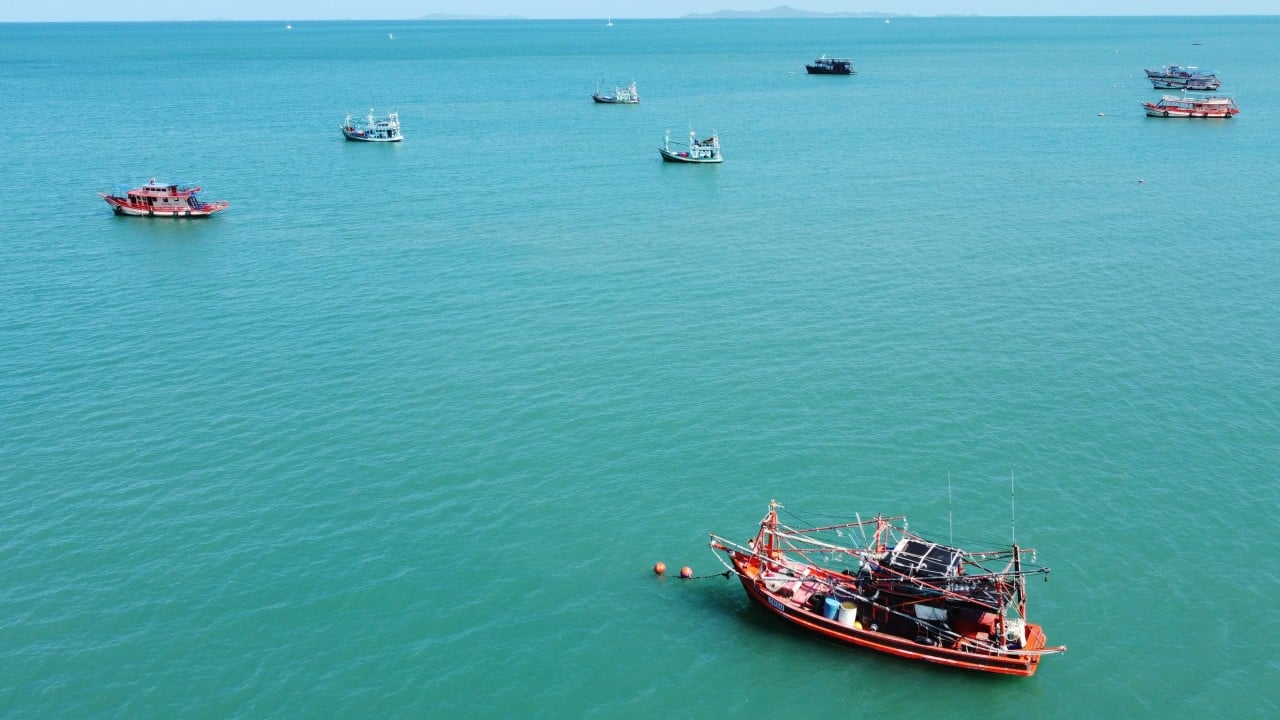
Thailand and Cambodia have agreed to dial down the rhetoric and use a hotline between their navy commanders to avoid flashpoints over a vast contested patch of energy-rich seas in the Gulf of Thailand, according to a UN-backed mediation panel at The Hague tasked with helping to settle the dispute between the neighbours.
The Southeast Asian countries have also squabbled for decades over the demarcation of their 800km (500-mile) land border, where clashes last year killed scores on both sides and froze cross-border trade worth billions of dollars.
While an uneasy ceasefire agreed in December holds along the frontier, relations between Bangkok and Phnom Penh have plunged to a nadir, with both accusing the other of targeting civilians during the conflict and intermittent breaches of the truce.
Amid the rancour, competing claims have escalated over the Gulf seabed which holds oil and gas reserves worth an estimated US$300 billion.
Thailand scrapped a bilateral channel with Cambodia in May governing the claims to the waters.
That triggered Cambodia’s request to the United Nations Convention on the Law of the Sea’s conciliation commission, hosted in Singapore last month, to start the mediation process over control of the lucrative waters.
A second round of talks at the Permanent Court of Arbitration (PCA) was held last week at Peace Palace at The Hague over the claims to 27,000 sq km (10,400 square miles) wedge of sea.
The PCA late on Monday said both sides showed good faith towards the peaceful resolution of the dispute and agreed to confidence-building measures as the process continued.
Those included a commitment to approach “public statements on the maritime boundary and on their relationship with one another with a view to creating space for constructive engagement, rather than to generate pressure on the other party or foreclose options”.
Equally, “both Parties will undertake to exercise restraint in public communications and statements that could contribute to negative public sentiment or heighten tension between the peoples of the two countries” and “guard against misinformation and disinformation that could undermine the conciliation”.
It is a small but significant step forward in relations that have been dogged by mistrust since the vicious battle over the land border erupted last July.
While the physical conflict has eased, a social media battle has raged between the public of both countries, with nationalist feuds flaring over everything from Thailand’s alleged encroachment onto Cambodia’s land to Cambodia’s apparent co-option of traditional Thai clothing claimed as its own.
In addition, the PCA said the commanders of both nations’ navies will use a hotline set up “for the prompt notification and management of maritime incidents, so as to avoid misunderstandings and tensions that could have negative impacts on the conciliation proceedings”.
During the PCA’s first meeting in Singapore in September, foreign ministers of both countries painted the other nation as the aggressor and a disingenuous negotiating partner, as they jostled for the moral – and legal – high ground in the talks, which are only the second time in Unclos’ history that the conciliation process has been used.
01:42
‘This time is worse’: Cambodian families flee as Thai border clashes continue
The first, initiated by East Timor against Australia in 2016, took nearly two years to resolve.
The five-member conciliation commission is chaired by Australian lawyer and diplomat Katrina Cooper. The process is not legally binding.
After the second round of discussions, Thailand’s Ministry of Foreign Affairs said the confidence-building measures would act as “guidelines to foster an environment conducive to progressing discussions under the conciliation process”.
“In moving forward, the Thai side hopes that both sides will advance these [the measures] in earnest,” the ministry added in a statement late on Monday.
Cambodia’s foreign ministry echoed the sentiments, reaffirming “its full support for the conciliation process that it initiated”.
“International law provides the pathway for peaceful resolution of disputes between States,” it said in a statement.
KioskNews shows a cleaned-up reading view extracted from the publisher’s page — the original always lives on their site, not ours.