Government without a majority, majority without a government: Israel’s new political reality
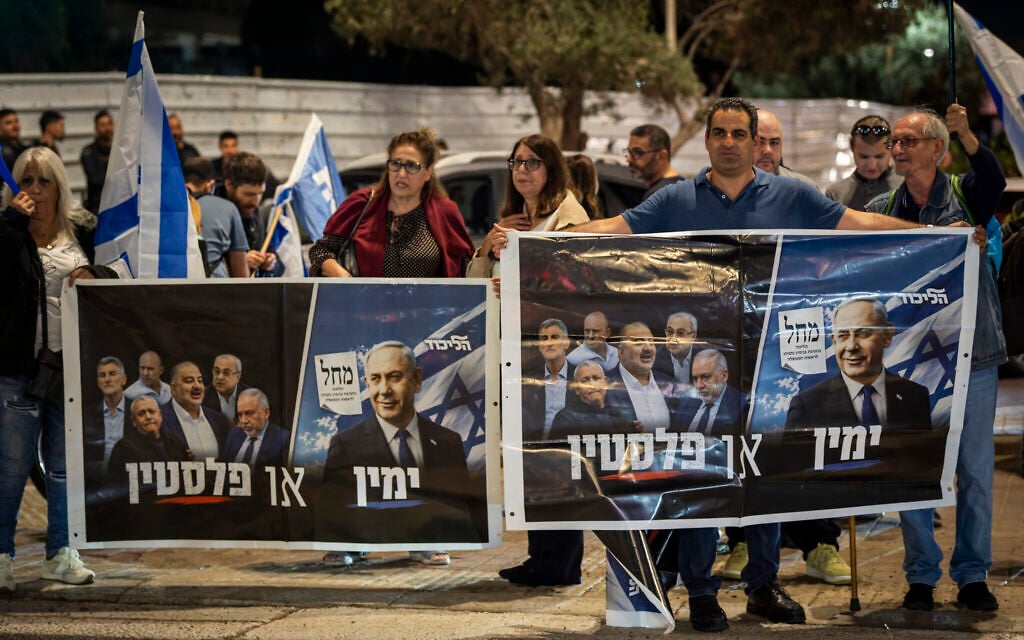
Who holds power in Israel when the prime minister no longer commands a majority in parliament, but his opponents have yet to form a government to replace him?
Israel’s parliamentary system ordinarily places executive and legislative power in the hands of the same governing coalition. But last week’s election has created an unusual exception: Prime Minister Benjamin Netanyahu lost his parliamentary majority, preventing him from advancing legislation and, for now, forming a government.
The six parties opposed to Netanyahu won a combined 67 of the Knesset’s 120 seats, compared to 53 for the premier’s Likud and its far-right and ultra-Orthodox partners. Their newfound majority could allow them to take control of the Knesset’s leadership and committees and begin dismantling key elements of his government’s legislative agenda, even before forming a government of their own.
0:00 / 0:00
Promoted: American Technion Society

Opposition parties are already coordinating efforts to replace Knesset Speaker Amir Ohana, a Likud lawmaker, while Yashar chairman Gadi Eisenkot has pledged to use the parliamentary majority to establish a state commission of inquiry into the October 7, 2023, Hamas-led attacks, repeal the outgoing government’s judicial overhaul legislation, and introduce mandatory military or national service for all Israelis.
But translating that parliamentary majority into a governing coalition is another matter. With just 48 of the 67 seats belonging to Jewish-majority parties, and 19 to the Arab-majority Joint List and Ra’am, deep ideological divisions and conflicting campaign promises have left Netanyahu’s opponents without a clear path to form an alternative government.
Get The Times of Israel's Daily Edition by email and never miss our top stories
By signing up, you agree to the terms
As a result, Netanyahu could remain in office for weeks or even months, leading a caretaker government that retains broad executive authority over military operations, national security, and foreign affairs, despite lacking the parliamentary majority needed to advance its legislative agenda.
That distinction is particularly consequential amid speculation about renewed military action against Iran, which Netanyahu has reportedly sought to pursue, and questions about whether a major security crisis could affect efforts to replace him.
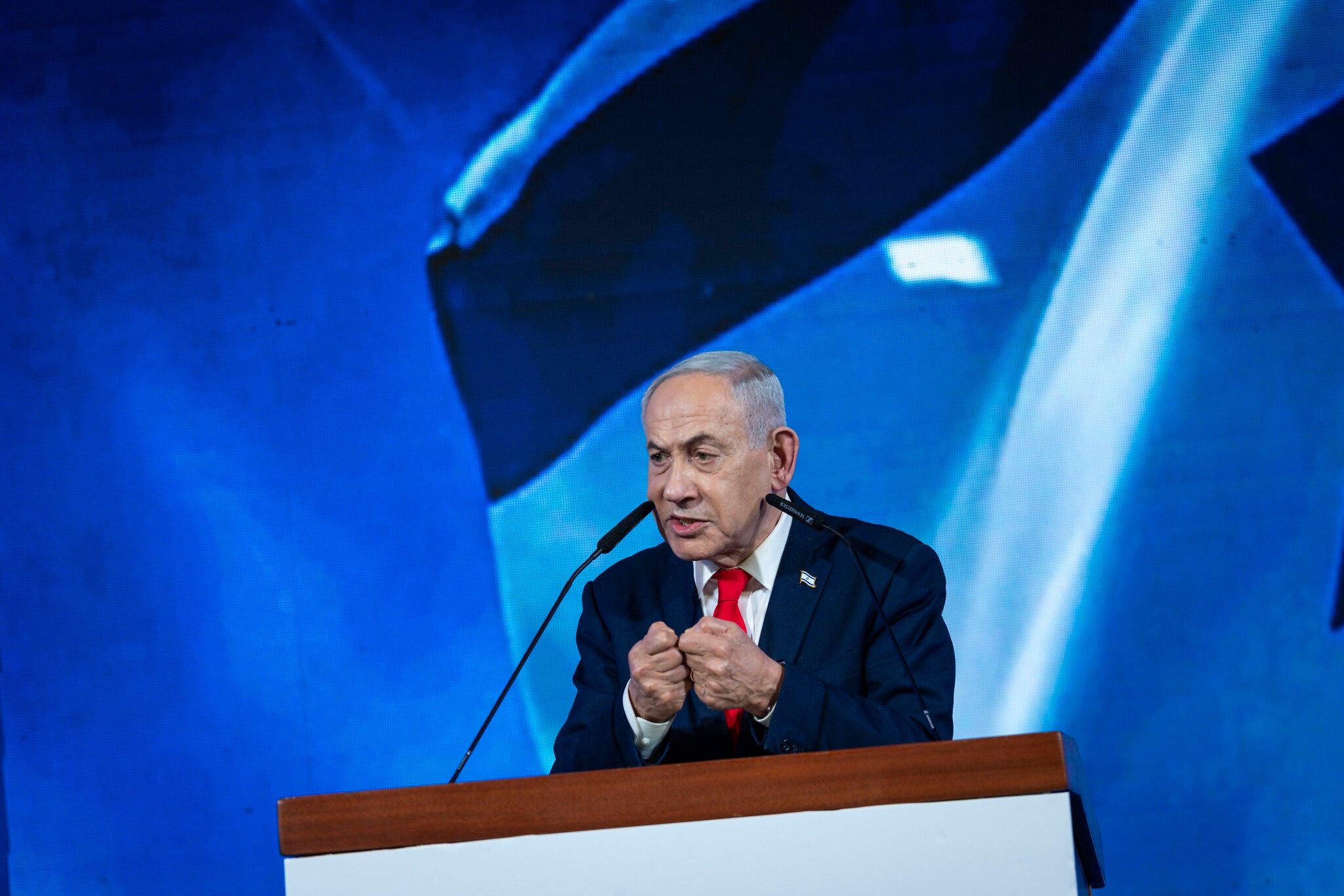
The new Knesset is set to convene on November 10, after President Isaac Herzog is expected to give a lawmaker the mandate to form a government, most likely Gadi Eisenkot, whose Yashar party is the largest in the anti-Netanyahu bloc.
The designated candidate will have 28 days to assemble a coalition, with a possible 14-day extension. If those efforts fail, the mandate could pass to another lawmaker, potentially prolonging negotiations and ultimately leading to another election.
That means that until a new government wins the Knesset’s confidence, Netanyahu and his ministers will remain in office, while his opponents may have only a limited window to exercise their parliamentary majority.
What can the opposition do with its parliamentary majority?
The newly elected Knesset can begin exercising its powers as soon as it convenes on November 10, even though the process of forming a new government will only then be getting underway.
“The Knesset is an independent branch of government, and its powers are not contingent on the formation of a new government,” explained Dr. Assaf Shapira, a researcher at the Israel Democracy Institute. “From the moment it convenes, it can operate independently, even without the government’s consent.”
The opposition’s priority will be to replace Speaker Ohana, whose position gives him considerable control over parliamentary proceedings and, together with his deputies, the legislative agenda.

The opposition does not need to wait for a government to be formed and can replace the speaker immediately upon being sworn in. Indeed, Eisenkot and his prospective coalition partners have already begun coordinating efforts to replace Ohana with a candidate of their own.
The election of a speaker requires only a simple majority of votes cast, meaning the anti-Netanyahu parties could do so immediately if they agree on a candidate.
Their next step will be establishing the Arrangements Committee, a temporary body formed by each new Knesset to manage the parliament’s agenda and conduct much of its business between the new Knesset’s swearing-in and the official formation of a ruling coalition.
The committee’s composition must reflect the relative size of the parliamentary factions, with its chairman drawn from the faction of the lawmaker tasked by the president with forming a government, and be approved in the plenum.
The committee is immensely powerful for the duration of its brief lifespan, as it is responsible for establishing the new Knesset’s committees, and appointing their chairs and members, which are needed in order to advance legislation.
Since the Knesset’s standing committees are established only after a new government is formed, the committee is particularly important in its power to establish temporary and special committees, including those needed to advance legislation before permanent committees are formed.
This means that even without forming a government, the anti-Netanyahu parties could establish the parliamentary machinery needed to advance their legislative priorities.

However, the opposition’s control of the committee’s chairmanship could be short-lived. If Eisenkot receives the first mandate, as expected, a member of his Yashar party would chair the committee. Should he fail to form a government in the allotted 28 days (with a possible 14-day extension), with the mandate subsequently passing to Netanyahu, the chairmanship would also shift to a Likud lawmaker.
Although the anti-Netanyahu parties would retain their numerical advantage on the committee, losing its chairmanship would make it extremely difficult for them to advance their legislative priorities.
What legislation could the opposition advance?
Eisenkot has said that he intends to immediately begin advancing legislation, including establishing a state commission of inquiry into the failures surrounding October 7, a law regulating the Haredi draft, and repealing the government’s judicial overhaul legislation. Other members of the opposition bloc have also suggested passing legislation to limit terms for prime ministers, as well as restrict those on trial from being prime minister, in an effort to disqualify Netanyahu from forming a government or running in future elections.
While the parliamentary majority likely gives the bloc the power to advance legislation, how successful the bloc would actually be in passing that legislation before a government is formed remains uncertain.
One of the most complicated items on their agenda is establishing a state commission of inquiry into the October 7 attacks, which Netanyahu’s government has repeatedly refused to advance.
Under existing law, a state commission of inquiry can be established through a government decision or through the Knesset’s State Control Committee, subject to certain statutory conditions. Unless the opposition bloc forms a government, neither route is currently readily available. As a result, Yashar has begun working on an amendment to the existing law that would allow a state commission to be established by a simple majority vote in the Knesset plenum, bypassing the existing procedure.
According to Shapira, the IDI researcher, this would almost certainly be the opposition bloc’s easiest route to advancing a state commission of inquiry before a government is formed. However, the amendment would still have to pass through the ordinary legislative process, including multiple readings and committee deliberations, requiring the establishment of a parliamentary committee to prepare it for final approval.
Additionally, Shapira cautioned that even if the Knesset succeeds in passing the legislation, it is uncertain whether it would pass judicial review; it could face objections not only from Knesset legal advisers, but also from the attorney general and even the Supreme Court, which has the authority to strike it down.

“To amend the law to create another channel only because the opposition can’t use the current legally established channel is a bit problematic,” he said.
Other proposals, including legislation imposing term limits on prime ministers or barring criminal defendants from serving as prime minister, could theoretically be advanced, but might face legal challenges if deemed to target Netanyahu personally.
“The law must be general, and constitutional laws should be especially general,” Shapira said. “They cannot be seen to be too personal or specific.”
Eisenkot’s proposal to introduce mandatory military or national service for all Israelis would also be extremely complicated. Although there is no categorical legal prohibition on advancing such legislation before a government is formed — even if there is sufficient parliamentary support for the legislation, which is far from a certainty — Shapira argued that its extensive economic, demographic, and constitutional implications would make it difficult to complete in a potentially fleeting parliamentary window.
By contrast, repealing legislation passed by the outgoing government may be much easier and more achievable, such as measures associated with its judicial overhaul, including the controversial amendment changing the composition of the Judicial Selection Committee, which is due to take effect when the new Knesset convenes.
According to Shapira, because the committee has not yet been reconstituted under the new rules, reversing the amendment would preserve the previous arrangement, rather than require the creation of a new one. It would be “preserving an arrangement and preventing a new arrangement from taking hold,” he explained. “And abolishing legislation is in any case much simpler than creating new legislation from scratch.”
The bloc could also elect a new state comptroller, whose appointment remains outstanding following the cancellation of the previous election process, with relative ease, since it only requires a simple majority.
What powers does Netanyahu’s caretaker government retain?
While Netanyahu has lost his parliamentary majority, his government retains broad executive authority until a new government is sworn in, particularly over military operations, national security, and foreign affairs.
Caretaker governments face no special legal restrictions on their authority to conduct military operations, meaning Netanyahu could legally authorize an attack on Iran despite lacking the support of a parliamentary majority, subject to the ordinary procedures governing such decisions.
“Legally, with regard to military operations and wars and everything, this is a regular government with no special limitations,” Shapira said.
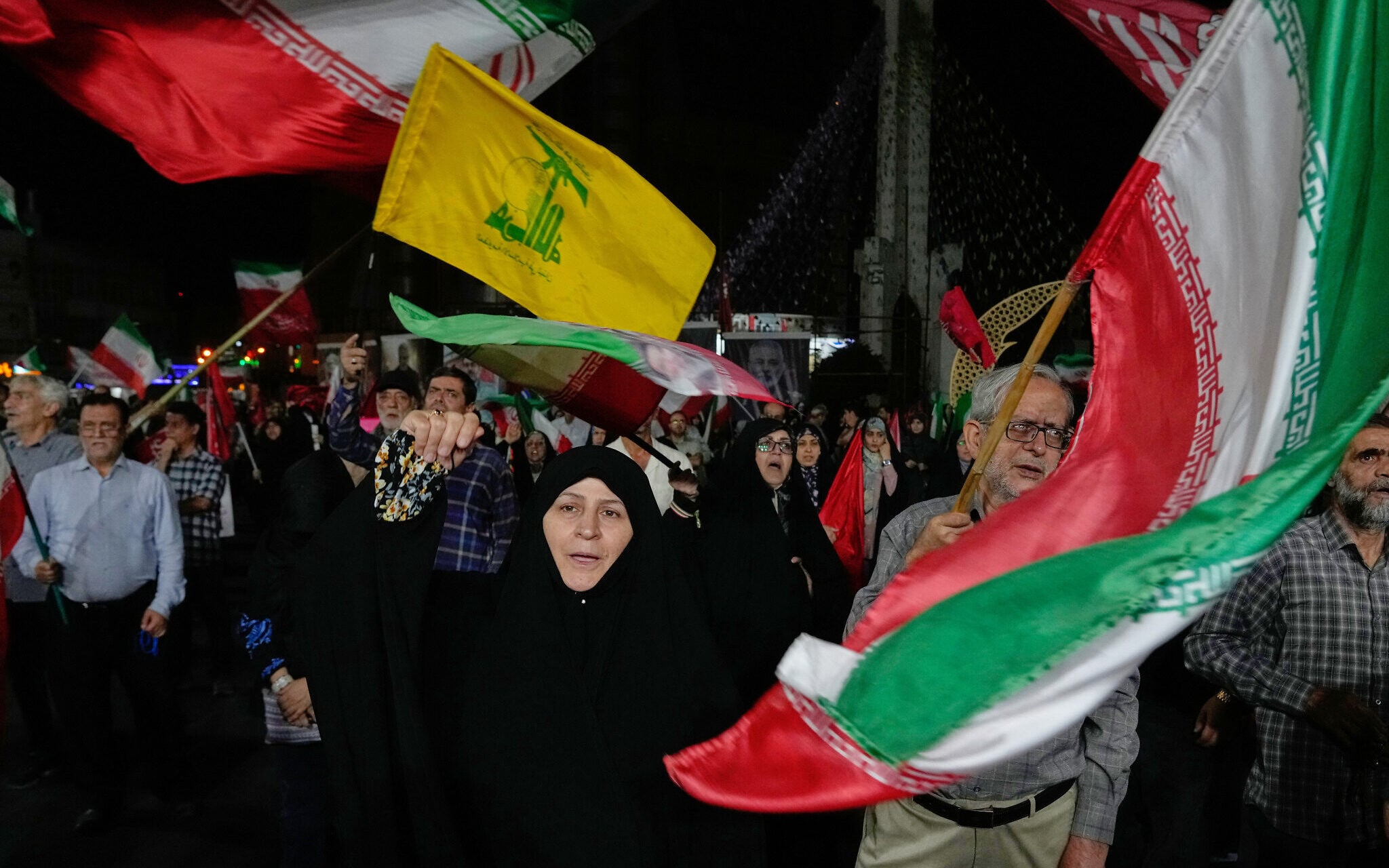
“If there is another full-scale conflict with Iran, especially with the support of the USA, we know the Israeli politicians, and Eisenkot and others, will support this,” he said. “If Israel attacks Iran without the United States, then maybe there will be a little bit more opposition.”
Caretaker governments do, however, face additional restrictions in other areas, particularly senior appointments and spending decisions. For example, appointing a new IDF chief of staff or head of the Mossad or Shin Bet would require the government to demonstrate why the appointment was immediately necessary, rather than leaving the decision to an incoming government.
Similarly, significant unexpected expenditures would require additional legal scrutiny and justification, unless they arose from demonstrated urgent security needs.
KioskNews shows a cleaned-up reading view extracted from the publisher’s page — the original always lives on their site, not ours.