Monsoon rains give Pangasinan El Niño water buffer
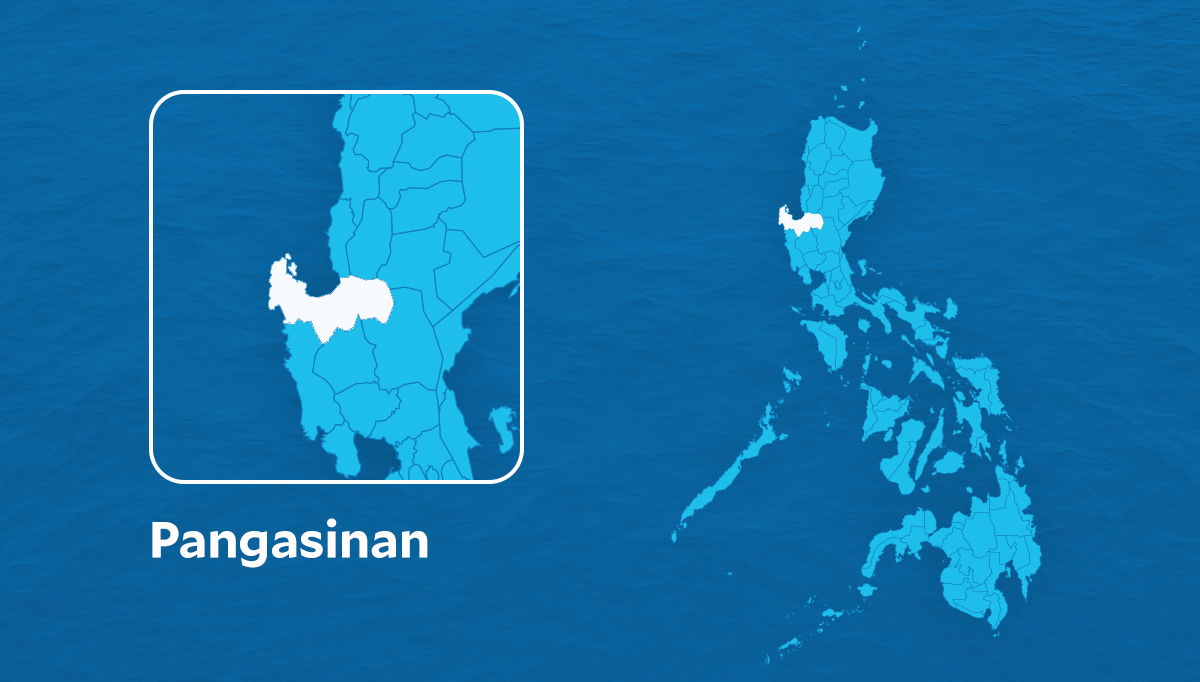

LINGAYEN, Pangasinan — Heavy rains in August and September, brought by the long habagat rains (Southeast monsoon) and tropical cyclones, helped replenish Pangasinan’s water reserves, giving the province a buffer as it braces for the dry months and worsening El Niño.
The rainfall filled the San Roque Multipurpose Project reservoirs and recharged underground water sources, giving farmers a water supply for the second rice cropping season and cultivation of vegetables and corn, according to Pangasinan Provincial Agriculture Officer Dalisay Moya.
“The replenished groundwater is also expected to benefit farmers who depend on wells and other underground sources to irrigate their fields. The available water reserves were good news for the province as it enters its dry season, which is expected to become hotter and drier with El Niño,” Moya said.
Article continues after this advertisement
READ: Pangasinan farmers urged to delay planting due to limited irrigation
FEATURED STORIES
NEWSINFO
NEWSINFO
NEWSINFO
The National Power Corporation (NPC) reported that the San Roque Dam’s water elevation is 281.45 meters above sea level (masl), and it can operate its power component when water is down to 225 masl.
During power generation, water is discharged into the re-regulating pond, which in turn flows into irrigation systems.
The San Roque Dam irrigates 50,000 hectares of agricultural land in Pangasinan and Tarlac, said Glen Arvin Magcalas of the NAPOCOR flood forecasting and warning system division.
Despite the improved water supply, about 37,000 hectares of agricultural land in Pangasinan remain vulnerable to El Niño, particularly farms at the tail ends of national and communal irrigation systems, Moya said.
Article continues after this advertisement
Water may be available at the source but could become insufficient by the time it reaches farms farther down the canals, as intense heat increases evaporation and transpiration.
Vulnerable areas include farms served by national irrigation systems managed by the National Irrigation Administration, and communal irrigation systems that draw water from rivers and other sources.
Article continues after this advertisement
READ: House to agencies: Ensure P6.2-B El Niño aid reaches farmers, fisherfolk
The province will closely monitor water and weather conditions as farmers begin their second cropping season in October and November. Authorities will reassess the situation around January, when drought conditions may become more pronounced.
The provincial government also has water pumps that farmers can use when irrigation water can no longer reach their fields through canals.
Your subscription could not be saved. Please try again.
Your subscription has been successful.
Moya and Magcalas made these disclosures during a Farmers and Fisherfolk Congress on El Niño Preparedness and Mitigation, which brought together farmers, fisherfolk, and representatives of national government agencies to discuss preparations and possible assistance for affected communities, on Tuesday./coa
KioskNews shows a cleaned-up reading view extracted from the publisher’s page — the original always lives on their site, not ours.